The question of what does asbestos tile look like often surfaces when home owners begin renovating older residential properties across the United Kingdom. During the mid to late twentieth century, asbestos was heavily favoured throughout the UK construction industry due to its impressive fire resistance, extreme durability, and low manufacturing cost. As a direct result, thousands of classic British homes built or updated during this vibrant era still contain these resilient synthetic materials buried beneath modern fitted carpets or under floating laminate floors today.


However, answering what does asbestos tile look like requires an important caveat right from the very beginning of your home inspection. Microscopic mineral fibres were mixed directly into heavy vinyl, dark asphalt, or flexible plastic compounds during original factory production runs. Because these hazardous health risks are locked deep inside the physical matrix, it is completely impossible to confirm asbestos content purely through a visual check. Visual clues only provide a strong preliminary indication of potential risk, which must always be confirmed through official laboratory sample analysis.
Physical Characteristics of Asbestos Floor Tiles
When trying to figure out what does asbestos tile look like in terms of physical dimensions, standard sizing offers one of the clearest initial clues available. The most iconic historical indicator across British post-war housing is the classic nine inch by nine inch square tile format. While these smaller nine inch squares represent the primary warning sign, larger twelve inch by twelve inch formats were also widely produced. These specific geometric dimensions were manufactured extensively before modern metric building standards became universally adopted throughout the nation.
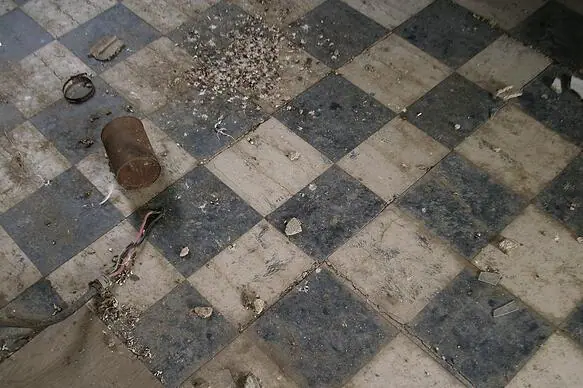
Beyond basic sizing, surface patterns and colour palettes play a massive role when examining what does asbestos tile look like in domestic settings. These vintage flooring products frequently feature distinctive marbled swirl designs, heavy speckled textures, or plain low-sheen matte finishes. Traditional vinyl variations often came in lighter muted shades like soft cream, pale beige, subtle pink, or olive green, whereas older asphalt-based varieties were usually manufactured in darker tones such as dark chocolate brown, deep charcoal gray, or solid black.
Identifying Black Bitumen Mastic Adhesive
Looking beneath a cracked or lifted corner reveals another critical aspect when determining what does asbestos tile look like in full context. The sticky adhesive originally used to secure vintage synthetic flooring often contained significant quantities of toxic chrysotile material itself. Known throughout the building trade as black bitumen mastic, this thick tar-like waterproof substance forms a solid dark layer directly on top of the underlying concrete screed or timber floorboards located underneath the tile.
Even if an individual tile is entirely clear of dangerous additives, the underlying black bitumen glue can still pose a serious environmental health risk during home improvements. This dark adhesive often discolours the outer edges of adjacent tiles over time or leaves a sticky black residue whenever individual sections pop up. Identifying this distinctive dark adhesive layer is just as crucial as evaluating the top surface pattern of the floor tile itself during preliminary property risk assessments.
Historical Property Context in the UK
Understanding the precise construction era of your property helps contextualize what does asbestos tile look like within historical British building trends. Synthetic flooring materials containing dangerous fibrous additives were installed extensively across post-war council housing projects, Victorian terrace conversions, and suburban housing estates from the nineteen fifties right through the late nineteen seventies. If your current property was built or substantially renovated during this specific window, any original resilient flooring warrants careful visual evaluation.
The historical usage timeline officially closed when the United Kingdom government introduced a complete legal ban on white chrysotile asbestos in late nineteen ninety nine. Consequently, any domestic or commercial building constructed or refurbished before the year two thousand carries a potential legacy risk. Common interior areas to check include high-traffic ground floor spaces such as domestic kitchens, utility rooms, entrance hallways, basements, and small ground floor cloakrooms where waterproof flooring was traditionally favoured.
Safe Assessment of Intact and Damaged Materials
Knowing what does asbestos tile look like when fully intact versus visibly damaged helps determine the immediate health risks involved during property maintenance. When old tiles remain completely solid, unbroken, firm, and fully sealed down, the hazardous mineral fibres are safely locked within the synthetic plastic binder. In this non-friable physical state, the historic flooring presents virtually no immediate danger to occupants provided it remains completely undisturbed and carefully covered over with new subflooring.
Conversely, deteriorated or heavily broken flooring requires far greater immediate caution and deliberate care from occupants. When aging tiles become brittle, cracked, crumbled, or chipped away during routine building work, microscopic mineral dust can easily escape into the surrounding household air. Homeowners must never sand down, drill through, power saw, or forcibly scrape up suspected historical floor coverings, as airborne mineral dust represents the absolute primary health hazard associated with vintage property materials.
Professional Testing and Next Steps
Once you have carefully reviewed what does asbestos tile look like across your living space, taking measured safety precautions is the next necessary step. If you suspect your current floor contains dangerous historical additives, leave the immediate area undisturbed without picking at loose edges. Attempting to pry up stuck tiles or aggressively scrape off underlying black bitumen glue without specialist containment gear can quickly contaminate your entire living environment with invisible airborne fibres.
The only way to definitively answer what does asbestos tile look like in your specific home is through accredited laboratory testing procedures. UK property owners can easily purchase self-sampling kits online or hire an experienced UKAS-accredited surveyor to collect physical samples under controlled safety protocols. If hazardous materials are officially identified, leaving intact tiles encapsulated beneath modern underlay or hiring licensed removal specialists ensures complete peace of mind and long-term environmental protection.
Conclusion
Understanding what does asbestos tile look like involves looking for distinct physical markers such as standard nine inch dimensions, marbled visual designs, and black bitumen adhesive layers beneath old floor coverings. While these visual indicators offer valuable guidance for properties built prior to the year two thousand, visual checks alone can never deliver absolute scientific certainty. Prioritizing safety by keeping unbroken floor coverings undisturbed and obtaining professional laboratory analysis remains the safest choice for any British home renovation plan.
Always remember that managing old building materials successfully comes down to minimal disturbance and accurate professional testing advice. By taking a cautious, informed approach to potential legacy floor coverings, you protect your family, your home renovation team, and your property investment for many years to come.
Frequently Asked Questions
What size were asbestos floor tiles in the UK?
The most common size for vintage asbestos floor tiles across British properties was nine inches by nine inches (roughly two hundred and twenty-five millimetres square). However, twelve inch by twelve inch formats were also widely produced and installed during the same era, particularly in larger domestic kitchens, corridors, and commercial properties.
Are nine inch by nine inch tiles always asbestos?
While not every single nine inch tile contains hazardous substances, the vast majority of vinyl and asphalt floor tiles in this specific dimension manufactured between nineteen fifty and nineteen eighty do contain embedded mineral fibres. They should always be treated with caution and fully tested before starting any renovation work.
Is black floor tile adhesive dangerous?
Yes, the black bitumen mastic used to stick down old floor tiles frequently contains high levels of dangerous chrysotile material. Scraping, sanding, or using chemical solvents to dissolve this thick tar-like adhesive can release dangerous microscopic fibres into the air, meaning it requires specialist professional handling at all times.
Can I cover over old asbestos floor tiles?
Yes, encapsulating intact floor tiles is often recommended as the safest practical solution available to UK homeowners. You can safely lay underlay, fitted carpet, modern laminate, or luxury vinyl click flooring directly over unbroken vintage tiles, provided you avoid nailing carpet gripper rods directly into the old material beneath.
How much does an asbestos tile test cost in the UK?
A certified self-sampling kit or professional laboratory analysis in the United Kingdom typically costs between thirty and seventy pounds per individual sample. Hiring a fully qualified UKAS-accredited surveyor to conduct a comprehensive home inspection will cost significantly more depending on the total size and location of your property.
You may also read: Average Spray Foam Insulation Costs per Square Metre in the UK