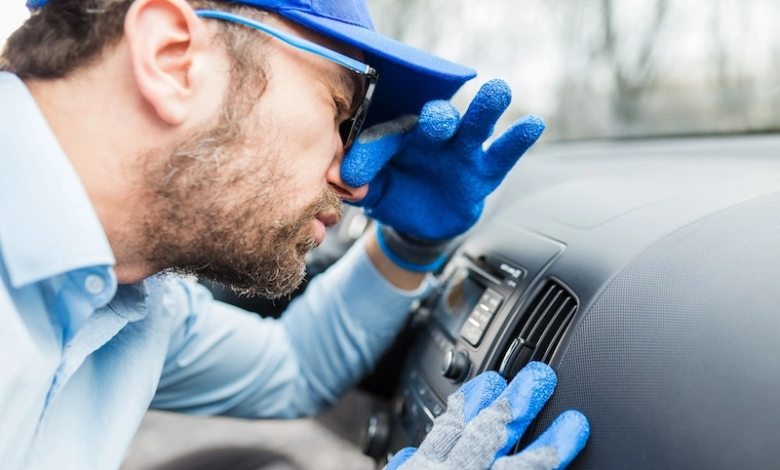
Few things ruin the experience of driving faster than a persistent, foul smell inside your vehicle. Whether it is the sour tang of spilt milk, lingering pet odors, embedded tobacco smoke, or the stale, damp stench of air conditioning mildew, unpleasant cabin odors make every journey uncomfortable.


Many car owners attempt to solve interior odors by hanging strong air fresheners from the rearview mirror or spraying heavy aerosol perfumes across the seats. However, masking a foul smell with artificial fragrance only creates an overwhelming, nauseating combination of scents. True odor elimination requires a systematic approach: identifying the root cause, deep cleaning affected surfaces, neutralizing odor-causing bacteria, and establishing a sustainable routine to maintain lasting freshness.
Here is a comprehensive guide to permanently eliminating stubborn car odors and restoring a clean, inviting atmosphere to your vehicle’s cabin.
1. Identifying and Locating the Root Cause
Before reaching for cleaning products or air fresheners, you must locate the exact source of the odor. Trapped moisture and organic decomposition are the two primary culprits behind persistent cabin smells.
- Spills and Organic Matter: Food crumbs, milk, coffee, and pet accidents seep deep into seat foam and carpet underlayment. Over time, bacteria consume these organic materials, releasing volatile organic compounds (VOCs) that produce sour, pungent smells.
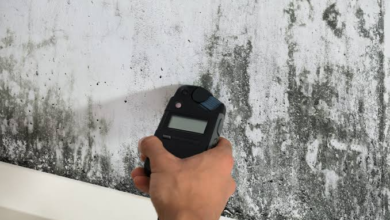
- Dampness and Mold: Water ingress from leaking door seals, clogged sunroof drain tubes, or wet umbrellas left on floor mats creates an ideal environment for mold and mildew growth beneath the carpets.
- The AC Evaporator Core: If a musty smell blasts through your vents when you turn on the climate control, the issue likely stems from condensation pooling in the air conditioning evaporator core, harboring fungal colonies.
- Trapped Smoke Residue: Tobacco smoke deposits a sticky, yellowish nicotine film across every interior surface—including the headliner, glass, and plastic trim—releasing stale odors indefinitely if left untreated.
2. The Step-by-Step Cabin Deep Cleaning Routine
Once you have identified the primary odor source, execute a deep cleaning routine to extract embedded contaminants from soft and hard surfaces alike.
Step A: Clear Out and Vacuum Thoroughly
Begin by removing all personal items, floor mats, and trash from the vehicle. Slide seats completely forward and backward to access hidden crevices beneath the rails. Use a shop vacuum equipped with a crevice tool to thoroughly clean carpets, seat seams, trunk liners, and under-seat footwells.
Step B: Shampoo and Extract Fabric Upholstery
Carpet and fabric seats act like giant sponges for odors. Spray a specialized enzymatic upholstery cleaner onto carpets and cloth seats. Enzymatic cleaners break down organic proteins, bacteria, and fats at a molecular level rather than simply coating them. Work the cleaner into the fibers with a soft-bristled interior brush, then extract the moisture using a wet/dry vacuum or carpet extractor.
Step C: Treat Leather and Hard Surfaces
For leather seats, door panels, and plastic dashboard trims, use a dedicated pH-balanced leather and interior cleaner. Wipe down all surfaces with clean microfiber towels to lift body oils, sweat, and grime. Pay close attention to steering wheels and center armrests, which accumulate high levels of skin oils over time.
Step D: Clean the Interior Glass and Headliner
Nicotine and airborne grease settle heavily on interior glass and the ceiling headliner. Clean all windows using an ammonia-free glass cleaner and a waffle-weave microfiber towel. For the headliner, gently dab affected areas with a damp microfiber cloth dipped in mild fabric cleaner—avoiding oversaturation, which can dissolve the headliner glue and cause fabric sagging.
3. Disinfecting the Air Conditioning System
If musty odors originate from your climate control vents, cleaning the seats and carpets won’t solve the problem. You must sanitize the HVAC air duct network:
- Replace the Cabin Air Filter: Located behind the glove compartment, the cabin air filter traps dust, pollen, and leaves. A clogged, damp filter is a primary source of bad smells. Swap it for a fresh charcoal-impregnated filter to absorb odors.
- Flush the Evaporator Core: Turn your car engine on, set the climate control to full fan speed with warm air, and ensure the system is set to fresh outside air (not recirculation). Spray an automotive AC disinfectant foam directly into the exterior air intake vents located at the base of the windscreen. Allow the system to run for 10 to 15 minutes to eliminate mold and bacteria living inside the evaporator housing.
4. Sustaining Long-Term Freshness Without Chemical Overload
Deep cleaning removes existing odor sources, but maintaining an inviting cabin over the long term requires proactive prevention and a refined fragrance strategy.
Relying on cheap, synthetic cardboard cutouts after a deep clean is counterproductive. Synthetic trees dump heavy chemical fumes into the air, which can irritate sinuses and quickly ruin the clean environment you just worked hard to create.
Instead, pair a clean, sanitized cabin with subtle, high-quality diffusion hardware. Using premium luxury hanging car diffusers provides a balanced, continuous release of refined fragrance oils. High-grade hanging diffusers utilize porous wooden caps to slowly evaporate essential-oil-based blends, delivering a subtle scent profile that enhances your freshly detailed interior without overwhelming your senses or leaving sticky chemical residues.
5. Proactive Rules to Keep Your Car Odor-Free
To ensure stubborn smells never return, enforce a few basic cabin rules:
- No Fresh Food or Smoking: Avoid eating hot, greasy fast food inside the vehicle, and strictly prohibit smoking or vaping inside the cabin.
- Air Out Damp Floor Mats: If floor mats get soaked during rainy weather, remove them from the car and allow them to dry completely outdoors before reinstalling them.
- Keep Silica Gel Packs Under Seats: Place a few large silica gel pouches or activated bamboo charcoal bags beneath the front seats to continuously absorb excess ambient humidity and prevent mildew growth.
Final Verdict
Eliminating car odors permanently is not about masking bad smells with aggressive artificial perfumes. By systematically locating odor sources, deep cleaning fabric fibers with enzymatic cleaners, sanitizing the AC system, and establishing a refined scent routine, you can restore a fresh, pristine, 5-star atmosphere to your vehicle that lasts for miles to come.