Every passionate home cook knows the undeniable joy of cooking with vibrant garden greenery throughout the sunny summer months. Unfortunately, fresh sprigs often wilt inside the refrigerator crisper drawer before you can finish using them up completely. Learning how to freeze fresh herbs allows you to capture that peak summer aroma while stopping unnecessary kitchen waste in its tracks during every single season of the year.


Preserving your seasonal harvest guarantees that you always have rich aromatic additions ready for hearty stews, slow sauces, and savory Sunday roasts. By taking a few brief moments today to preserve your surplus cuttings, you save valuable grocery funds while ensuring your home meals remain exceptionally flavorful and aromatic all year round.
Why Freezing Beats Drying for Delicate Leaves
While traditional air drying works well for sturdy sprigs, tender greenery often loses its essential volatile oils when exposed to room air. Discovering how to freeze fresh herbs protects these precious flavor compounds far better than old-fashioned dehydration techniques. Frozen plants retain their bright green colour and distinct botanical taste much longer than dried alternatives.
Hardy varieties such as rosemary, sage, thyme, and oregano can easily withstand classic drying methods without sacrificing their punchy character. However, soft-stemmed varieties like basil, cilantro, parsley, chives, and mint require cold temperature preservation to stay vibrant. Using cold techniques ensures these delicate ingredients maintain their fresh fragrance when added to cooked dishes.
Essential Preparation Steps Before Preserving
Proper preparation makes all the difference when learning how to freeze fresh herbs for future culinary projects in your kitchen. Begin by washing your harvested sprigs thoroughly in a bowl filled with cool water. This gentle soaking releases hidden garden dirt, small insects, and lingering debris without damaging the fragile leaves or bruising stems.
After washing, you must dry the leaves completely using clean kitchen paper towels or a salad spinner. Excess water creates harsh ice crystals during freezing, leading to premature freezer burn and soggy textures. Once totally dry, strip away tough woody stems, keeping only tender foliage and soft stems for your storage process.
The Popular Ice Cube Tray Technique

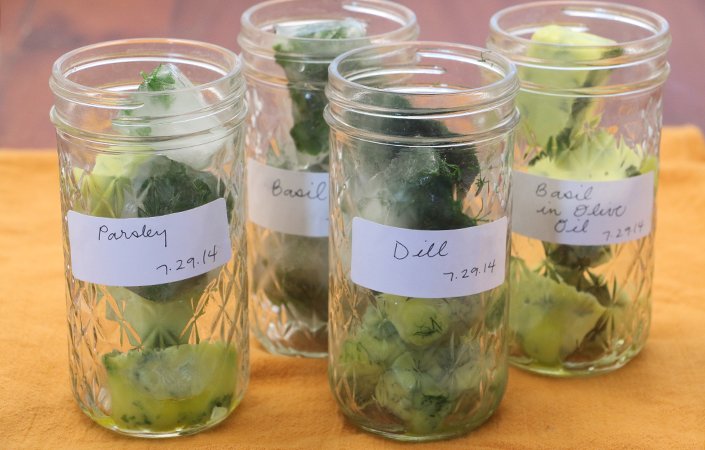
Packing chopped leaves into tray compartments remains one of the simplest methods available for home cooks today. Place finely minced greens into ice cube trays, filling each section approximately two-thirds full. Knowing how to freeze fresh herbs in liquid preserves their color while providing pre-portioned seasoning portions for fast meal creation.
Pour high quality olive oil or melted butter over the herbs to protect foliage from freezer burn and air exposure. Alternatively, fill compartments with simple water or vegetable broth if you plan to use cubes for simmering soups. Freeze trays solid before popping cubes into freezer-safe bags for compact storage.
Flash Freezing Method for Whole Leaves
If you prefer loose individual leaves rather than liquid cubes, flash freezing provides an ideal alternative solution for busy households. Lay washed, thoroughly dried whole leaves across a parchment-lined baking sheet in a single layer. Ensure individual pieces do not touch each other, as contact causes foliage to stick together permanently when frozen.
Place the baking sheet flat inside your freezer for two to three hours until leaves become completely hard and brittle. Master how to freeze fresh herbs using this dry pack method to easily grab single leaves for quick garnishes. Once firm, quickly transfer everything into airtight containers or heavy vacuum bags.
Creating Compound Butters for Fast Flavor
Blending chopped garden produce with softened butter represents another creative preservation technique for home chefs looking to elevate weeknight dinners. Combine unsalted softened butter with finely chopped garlic, citrus zest, salt, and your favorite harvested greenery. Understanding how to freeze fresh herbs inside rich butter logs allows you to slice off individual portions whenever needed.
Spoon the mixed butter onto parchment paper or plastic wrap, rolling it tightly into a smooth uniform log shape. Twist the outer ends securely before placing the wrapped roll into your freezer for long term storage. This aromatic butter melts beautifully over warm grilled steaks, roasted vegetables, or freshly baked bread.
Storage Guidelines and Cooking Instructions
Properly packaged preserved items generally maintain maximum flavor and quality for up to six full months in cold storage. Always label your storage bags with specific botanical names and preparation dates using a permanent marker pen. Keeping your freezer organized ensures you use older batches first while enjoying optimal botanical aroma in every single recipe.
When preparing hot soups, stews, or pasta sauces, add frozen portions directly into the simmering pan without thawing them out first. The heat quickly melts ice or oil bases while distributing aromatic notes across your meal. For fresh raw applications like salads, thawed greens might appear soft, so use them primarily in cooked foods.
Frequently Asked Questions About Herb Freezing
Many beginners wonder whether blanching is necessary before preserving soft greenery inside home freezers during the autumn harvest rush. Heating herbs briefly in boiling water isn’t strictly required, though quick blanching can preserve vivid green pigments in basil or parsley. However, direct freezing remains faster and preserves robust essential oils without extra prep steps.
Another common question centers around choosing between oil or water bases for freezing applications based on cooking styles. Oil protects delicate foliage better against oxidation while delivering rich taste straight to hot frying pans. Water or stock work best when you plan to drop portions straight into boiling soups, broths, or grain dishes.
You may also read: Top Chase Cards and Most Valuable Collectibles