How to Get Rid of a Cold Sore in 24 Hours: Fast Treatment, Remedies and What Really Works

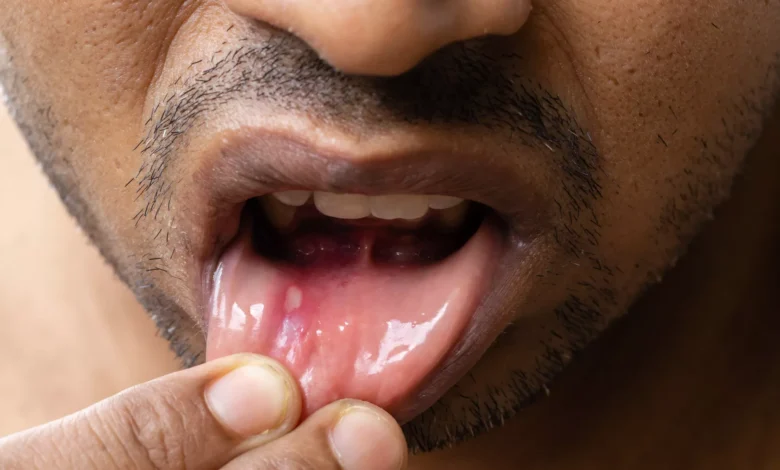
If you are searching for how to get rid of a cold sore in 24 hours, you probably want fast relief before the blister becomes painful, obvious or difficult to hide. Cold sores often appear around the lips and can cause tingling, burning, swelling and soreness. They may feel small at first, but they can quickly become uncomfortable and frustrating, especially before work, school, travel or a social event.


The honest answer is that most cold sores do not fully vanish overnight. However, early treatment can reduce pain, calm redness and help the sore heal faster. NHS guidance says antiviral creams work best when used as soon as the early tingling feeling begins, before blisters appear. (nhs.uk)
How to Get Rid of a Cold Sore in 24 Hours Safely
The safest way to understand how to get rid of a cold sore in 24 hours is to focus on controlling symptoms quickly, not chasing an instant cure. A cold sore is caused by the herpes simplex virus, so the skin needs time to recover. You can still make a big difference by acting early, using the right treatment and avoiding anything that irritates the area.
Start by washing your hands and applying a suitable antiviral cream if you have one. In the UK, aciclovir cream is commonly used for cold sores, and NHS medicine guidance says it is usually applied five times a day, leaving around four hours between applications. Always follow the product instructions or ask a pharmacist if you are unsure. (nhs.uk)
What Causes Cold Sores and Why They Come Back
Cold sores are usually linked to oral herpes simplex virus, often HSV-1. NICE explains that oral herpes simplex commonly causes a mild, self-limiting infection around the lips, mouth, cheeks, nose or throat area. Once the virus is in the body, it can stay inactive and return later when triggered, which is why many people get repeat outbreaks. (Clinical Knowledge Summaries)
Common triggers include stress, tiredness, illness, strong sunlight, cold weather, hormonal changes and a weakened immune system. Some people notice cold sores after a fever or when they feel run down. Others get them after sun exposure or cracked lips. Knowing your personal triggers can help you prevent future outbreaks and treat the first signs faster.
Early Signs That Need Immediate Action
The best time to treat a cold sore is before the blister fully forms. Many people notice tingling, itching, burning, tightness or tenderness around the lip. The skin may look slightly red or raised. If you want the best chance of reducing the outbreak, this early stage is when you should start treatment straight away.
Do not wait until the cold sore becomes large, cracked or scabbed. Antiviral creams may be less helpful after the blister appears, according to NHS advice. (nhs.uk) Keep treatment ready at home if you get regular outbreaks, because acting within the first few hours can make the sore less severe and easier to manage.
Fast Treatment Options That Really Work
Antiviral cold sore creams are one of the most useful first steps. They do not always remove the sore in a single day, but they may ease symptoms and shorten healing time when used correctly. The key is speed. Apply the cream gently rather than rubbing hard, and wash your hands before and after using it to avoid spreading the virus.
Cold sore patches can also help because they cover the area, reduce touching and protect the sore from friction. For severe or frequent cold sores, a doctor may prescribe antiviral tablets such as aciclovir or valaciclovir. The British Association of Dermatologists says prompt antiviral treatment may lessen the severity or shorten an outbreak. (Bad Association)
Home Remedies for Quick Cold Sore Relief
Home remedies cannot kill the virus instantly, but they can make symptoms easier to handle. A cold compress may reduce swelling, redness and discomfort. Wrap ice in a clean cloth or use a cool damp flannel, then hold it gently on the sore for a short time. Never place ice directly on the skin, as this can cause irritation.
Petroleum jelly can help protect dry or cracked skin around the sore. You should also keep the area clean and avoid rubbing it with tissues or towels. Pain relief such as paracetamol or ibuprofen may help if the sore is uncomfortable, as long as these medicines are suitable for you and used according to the instructions.
What Not to Do With a Cold Sore
When learning how to get rid of a cold sore in 24 hours, it is just as important to know what to avoid. Do not pop, squeeze, scratch or pick the blister. This can spread the virus, delay healing and increase the chance of infection. Picking the scab may also make the sore more noticeable and painful.
Avoid harsh “quick fixes” such as toothpaste, alcohol, bleach, strong acids or lemon juice. These may burn the skin and make the cold sore worse. You should also avoid kissing, sharing cups, sharing lip balm or using someone else’s towel while the sore is active. Cold sores are contagious until they fully heal.
How to Stop a Cold Sore Getting Worse Overnight
Before going to bed, gently clean the area and apply your treatment as directed. If your cold sore is at the blister stage, a patch may help protect it overnight. Try to sleep on a clean pillowcase and avoid pressing your face into the pillow. Rubbing and moisture can irritate the sore and make it feel worse by morning.
Drink water, rest well and avoid salty, spicy or acidic foods if they sting your lip. Good overnight care will not always make the sore disappear, but it can reduce cracking, swelling and soreness. If your goal is how to get rid of a cold sore in 24 hours, careful night-time treatment can support faster visible improvement.
When to Speak to a Pharmacist or Doctor
Most cold sores heal without serious problems, but you should seek advice if symptoms are severe, spreading or not improving. Speak to a pharmacist if you are unsure which treatment is suitable. You should contact a GP or NHS 111 if a cold sore is near your eye, keeps returning often or lasts longer than expected.
Extra care is needed for babies, pregnant people and anyone with a weakened immune system. You should also get medical help if the area becomes very swollen, hot, painful or filled with pus. These may be signs of infection or another problem that needs proper treatment rather than home care alone.
How to Prevent Cold Sores Coming Back
Prevention often starts with spotting your triggers. If sunlight causes outbreaks, use SPF lip balm outdoors. If stress or lack of sleep is a trigger, focus on rest, hydration and better routines. While you cannot always prevent cold sores completely, small daily habits can reduce how often they return and how severe they become.
Keep your own lip balm, towels, cups and razors separate during an outbreak. Wash your hands after touching your mouth or applying treatment. If you regularly search how to get rid of a cold sore in 24 hours, keep antiviral cream ready so you can start treatment at the tingling stage instead of waiting for a blister.
Conclusion
Knowing how to get rid of a cold sore in 24 hours is about fast, realistic action. A cold sore may not disappear completely in one day, but early antiviral treatment, cold sore patches, cold compresses and gentle skin care can reduce pain, swelling and redness. The sooner you begin, the better your results are likely to be.
Avoid picking the blister, using harsh remedies or sharing personal items while the sore is active. Focus on clean, gentle care and ask a pharmacist if you need help choosing treatment. If cold sores are frequent, severe, close to the eye or slow to heal, speak to a doctor for proper advice and stronger options.
FAQs
Can you really get rid of a cold sore in 24 hours?
Most cold sores cannot be fully removed in 24 hours, even with good treatment. However, quick action can reduce pain, swelling and redness. If you begin treatment during the tingling stage, you may stop the sore from becoming as large, painful or noticeable as it otherwise would be.
The goal should be fast improvement rather than a miracle cure. Antiviral creams, patches and cold compresses can help you manage symptoms while the skin heals. If you need rapid treatment for a severe outbreak, a pharmacist or GP may suggest stronger options depending on your situation.
What is the fastest way to treat a cold sore?
The fastest way is to apply antiviral treatment as soon as tingling, burning or itching begins. Cold sore creams work best before the blister fully appears. You should also keep the area clean, avoid touching it and use a cold compress if the skin feels swollen, hot or painful.
For people with frequent or severe outbreaks, prescription antiviral tablets may work better than creams alone. These are usually most useful when taken very early. Do not use several strong products together without advice, as this may irritate the skin and make healing slower.
Does ice help a cold sore?
Ice does not cure a cold sore, but it may help reduce swelling, redness and discomfort. Wrap ice in a clean cloth or use a cool damp flannel, then hold it gently on the sore for a short time. This can calm the burning feeling and make the area feel less sore.
Avoid putting ice directly on your lip because it can damage delicate skin. You should also avoid rubbing the sore while applying a cold compress. Use gentle pressure only, then wash your hands afterwards to lower the risk of spreading the virus to other areas.
Should I pop a cold sore blister?
No, you should not pop a cold sore blister. Popping it can spread the virus, increase pain and delay healing. It may also raise the risk of infection, especially if your hands are not clean. A popped blister can become more visible and may take longer to scab and recover.
Let the blister heal naturally and keep it protected. If you need coverage, a cold sore patch may be more suitable than makeup. If the blister looks infected, becomes very swollen or spreads beyond the lip area, seek advice from a pharmacist or doctor.
Are cold sores contagious?
Yes, cold sores are contagious from the early tingling stage until the skin has fully healed. They are especially contagious when blisters burst or fluid is present. During this time, avoid kissing, oral contact and sharing cups, cutlery, towels, razors or lip balm.
You should also wash your hands after touching the sore or applying treatment. Be extra careful around babies and people with weakened immune systems. Avoid touching your eyes after touching a cold sore, as the virus can cause serious problems if it spreads there.
You may also read: Constants, Units and Conversion Factors