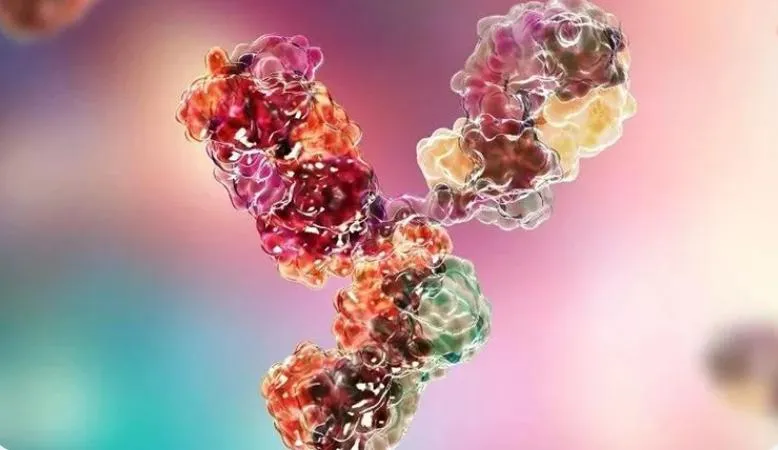
Antibody–drug conjugates (ADCs) deliver highly potent cytotoxic drugs directly into cancer cells. Researchers design these smart biologics to bind specific antigens, enter target cells, and release their payload only after internalization. This controlled process aims to maximize tumor killing while limiting damage to healthy tissues. The key steps include antigen recognition, receptor‑mediated endocytosis, trafficking through endosomes and lysosomes, and linker cleavage to free the active drug. Each element—antibody, linker, and payload—affects how, where, and when release occurs. Understanding the intracellular release mechanism helps scientists refine ADC design, improve response rates, and reduce systemic toxicity in oncology patients.


Cellular Uptake and Trafficking
Antigen Binding and Endocytosis
The process starts when the antibody component of an ADC recognizes and binds a specific cell surface antigen that is overexpressed on tumor cells. This antigen–antibody interaction anchors the conjugate to the target cell membrane and triggers receptor‑mediated endocytosis. The cell internalizes the ADC–antigen complex through clathrin‑coated pits or other endocytic pathways and forms an early endosome. The efficiency of this step depends heavily on antigen density, internalization rate, and recycling behavior. Antigens that rapidly internalize and traffic to lysosomes usually support more effective payload delivery. In contrast, non‑internalizing or slowly internalizing targets can lead to reduced cytotoxic activity, even when the ADC binds with high affinity.
Endosome to Lysosome Transport
Once inside the cell, early endosomes act as sorting stations. The ADC–antigen complex moves from early to late endosomes through a maturation process involving pH reduction, membrane remodeling, and recruitment of specific trafficking proteins. Many internalized receptors recycle back to the plasma membrane, but effective ADC targets tend to traffic toward lysosomes. As the vesicles acidify, late endosomes fuse with lysosomes, which contain abundant hydrolytic enzymes and maintain a strongly acidic environment. This compartment plays a central role in many ADCs, especially those with protease‑cleavable linkers. The lysosome’s pH, enzyme profile, and membrane transporters collectively influence how efficiently the ADC linker degrades and how much free payload reaches the cytosol or nucleus.
Intracellular Payload Release Mechanisms
Protease-Cleavable Linkers
Protease‑cleavable linkers exploit lysosomal enzymes to release the cytotoxic payload. Developers design these linkers with specific peptide sequences that cathepsins and other proteases in tumor cells can recognize and cleave. After endocytosis and lysosomal trafficking, these enzymes cut the linker between the antibody and drug, generating a free or minimally modified payload. Examples include dipeptide linkers such as valine‑citrulline, widely used in approved ADCs. These linkers remain stable in blood, where protease activity is low, but efficiently degrade once the ADC reaches the lysosome. The cleavage rate, steric accessibility, and local enzyme levels all affect payload release kinetics. Optimized peptide linkers improve therapeutic index by combining systemic stability with rapid intracellular activation.
Acid-Sensitive and Redox Linkers
Besides protease‑cleavable linkers, many ADCs use acid‑sensitive or redox‑responsive linkers to leverage unique conditions inside target cells. Acid‑labile linkers, such as hydrazones, undergo hydrolysis in the acidic environment of endosomes and lysosomes, releasing the drug after pH drops. Redox‑sensitive linkers, typically disulfide bonds, respond to the higher intracellular concentration of reducing agents like glutathione. Once inside the cytosol, these reducing molecules cleave the disulfide bond and liberate the payload. Both strategies aim to keep the ADC stable in the neutral pH and oxidizing conditions of systemic circulation. By tuning linker structure and steric hindrance, scientists adjust sensitivity to pH or redox state, balancing plasma stability with efficient intracellular drug release.

Post-Release Effects
Payload Action and Cell Death
After linker cleavage, the active payload must reach its intracellular target to trigger cell death. Many ADCs carry microtubule inhibitors or DNA‑damaging agents. Microtubule inhibitors disrupt spindle formation and arrest cells in mitosis, causing apoptosis. DNA‑targeting payloads, such as alkylating agents or topoisomerase inhibitors, induce DNA breaks and replication stress, which activate cell‑cycle checkpoints and apoptotic pathways. The drug’s physicochemical properties determine whether it accumulates in lysosomes, diffuses into the cytosol, or penetrates the nucleus. Efficient payload release and target engagement lead to mitochondrial dysfunction, caspase activation, and irreversible loss of cell viability. The overall cytotoxic effect reflects the interplay between ADC uptake, linker cleavage rate, payload potency, and tumor cell repair capacity.
Bystander Effect
The adc payload can diffuse across cell membranes after release, creating a bystander effect. In this scenario, the liberated drug leaves the initial target cell and enters neighboring tumor cells, including those with lower antigen expression. Membrane‑permeable payloads and cleavable linkers often enable this secondary killing. The bystander effect can improve efficacy in heterogeneous tumors, where not all cells express the target antigen at high levels. However, it may also raise the risk of damage to nearby normal cells, particularly in tissues where the antibody accumulates. ADC developers must carefully tune payload polarity, linker design, and dosing schedules to harness beneficial bystander activity while limiting off‑tumor toxicity and preserving a favorable safety profile.
Conclusion
ADC payload release inside target cells depends on coordinated steps involving antigen binding, internalization, trafficking, and linker cleavage. Effective ADCs couple suitable targets with robust endocytosis and lysosomal routing, then use stable yet trigger‑responsive linkers to confine activation to the intracellular space. Once released, highly potent payloads disrupt essential cellular processes and can induce both direct and bystander killing. Insights into these mechanisms guide the selection of antigens, linker chemistries, and drug types for next‑generation ADCs. Continued optimization should enhance tumor selectivity, overcome resistance, and expand the clinical impact of this targeted therapy platform across more cancer indications.