Construction Injuries, Payroll Records, and Workers’ Comp: Why Documentation Matters on Both Sides

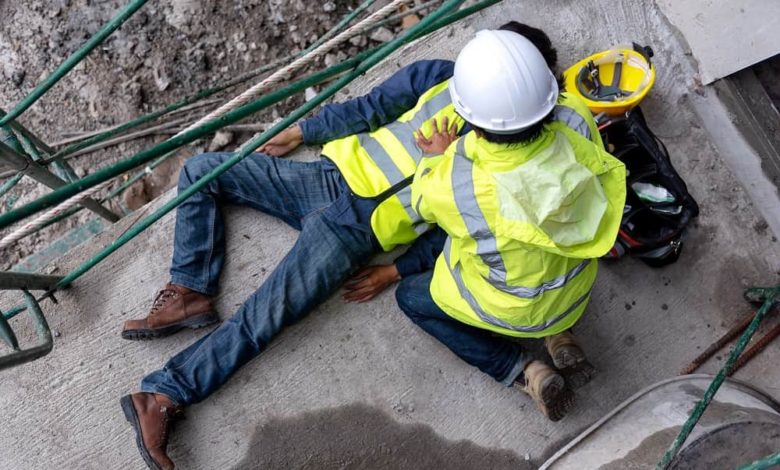
Construction work depends on timing, coordination, physical effort, and trust. Every worker on a jobsite plays a role in keeping a project moving, from framing and concrete work to equipment operation, roofing, demolition, cleanup, and finishing tasks. But when an injury happens, the focus quickly shifts from production schedules to medical care, missed work, wage questions, and responsibility.


That is where documentation becomes critical. A construction injury claim is rarely based on one person’s memory alone. Medical reports, incident forms, witness statements, payroll records, timecards, job assignments, and wage history can all affect what happens next. For an injured worker, clear records may help show what happened, when it happened, and how the injury affected earning ability. For an employer, accurate documentation can help confirm job status, pay structure, work dates, and whether the claim information matches company records. When questions arise about compensation after time away from work, the details in the paperwork often matter as much as the injury itself.
The Jobsite Moves Fast, but Records Slow Things Down in the Right Way
Construction sites are busy environments where conditions can change by the hour. Crews move between tasks, subcontractors come and go, weather affects work, equipment is relocated, and deadlines create pressure. In that setting, an accident can happen quickly, and the people involved may remember the event differently later.
Documentation creates a more stable record. An incident report written close to the time of the injury can capture details that might be forgotten, such as the location of the accident, the task being performed, the tools or machinery involved, and whether anyone saw what happened. Photos of the area, notes about safety conditions, and supervisor reports can also help clarify the situation before memories fade.
For workers, this matters because a claim may be questioned if the injury is reported late or if the details change over time. For employers, it matters because incomplete records can make it harder to respond fairly and accurately. Good documentation does not automatically favor one side. Instead, it helps replace guesswork with evidence.
Why Payroll Records Can Shape a Workers’ Comp Claim
Payroll records are often just as important as medical records in a construction injury case. Workers’ comp benefits may depend on wages, average earnings, employment classification, overtime patterns, and time missed from work. If those records are incomplete or inconsistent, disputes can develop over how much the injured worker should receive.
Construction payroll can be especially complicated. Some workers earn hourly wages, while others receive different rates depending on the task, shift, project, or trade classification. Over time, bonuses, per diem payments, travel-related pay, seasonal slowdowns, and gaps between projects can all affect the bigger picture. When payroll records are accurate, they help show a realistic view of what the worker was earning before the injury.
Employers also rely on payroll documentation to show that wages were calculated properly. Timecards, pay stubs, tax forms, job logs, and attendance records can help establish whether a worker was actively employed, what hours were worked, and whether time away from work was related to the injury. Without those records, even a straightforward claim can become more difficult to resolve.
Medical Documentation Tells the Injury Story
Medical records help connect the injury to the work event. They may describe the diagnosis, symptoms, treatment plan, work restrictions, follow-up appointments, and expected recovery timeline. In construction cases, this can be especially important because injuries are often physical and may affect the worker’s ability to lift, climb, bend, kneel, grip tools, operate equipment, or stand for long periods.
A worker who reports symptoms clearly and consistently gives medical providers better information to document. For example, saying “my back hurts” is less specific than explaining when the pain started, what movement caused it, whether it travels down the leg, and how it affects daily work tasks. Those details can influence treatment decisions and work restrictions.
Employers may also need medical documentation to determine whether light-duty work is possible. If a doctor says the worker cannot lift more than a certain amount or must avoid climbing ladders, the employer needs that information before offering modified duties. When the restrictions are vague, both sides may struggle to understand what is allowed.
Timecards, Job Logs, and Crew Assignments Can Fill in the Gaps
Not every construction injury is dramatic or witnessed by several people. Some injuries happen gradually, such as repetitive strain from lifting materials, shoulder pain from overhead work, knee issues from kneeling, or back problems from repeated bending. Others happen during routine tasks when no supervisor is standing nearby.
In these cases, timecards and job logs can help show what the worker was doing in the days or weeks before symptoms became serious. Crew assignments may confirm that the worker was placed on physically demanding tasks. Equipment logs may show whether a machine was used, inspected, repaired, or reported as defective. Daily reports may show site conditions, staffing levels, or changes in the work plan. For companies managing multiple projects and labor costs, reliable back-office systems and accounting support for construction businesses can also help keep wage and project records organized before a dispute ever begins.
These records can matter to both sides. A worker may use them to show that the injury fits the demands of the job. An employer may use them to confirm the timeline, identify inconsistencies, or determine whether another factor may have contributed. Either way, the records give everyone something concrete to review.
When Documentation Is Missing, Disputes Become Easier
Workers’ comp disputes often grow in the empty spaces left by missing paperwork. If there is no incident report, the employer may question when the injury happened. If there are no clear payroll records, the worker may question whether benefits were calculated correctly. If medical notes are incomplete, the insurance carrier may question whether the injury is work-related or whether the worker can return sooner than expected.
Missing documentation can also create unnecessary tension. A worker may feel disbelieved even when the injury is real. An employer may feel exposed to claims it cannot properly investigate. Insurance adjusters may delay decisions while requesting more information. What could have been a manageable claim can become a longer process because the basic facts are not clearly recorded.
That does not mean every missing document destroys a claim or defense. Construction work is not always neat, and records are not always perfect. But the fewer reliable records there are, the more room there is for disagreement.
Documentation Protects Workers Without Punishing Employers
It is easy to think of workers’ comp documentation as a conflict tool, but it is better understood as a protection tool. For injured workers, records can support access to medical treatment, wage benefits, and a fair evaluation of work restrictions. They can also help prevent confusion if symptoms worsen or if the worker needs additional care later.
For employers, documentation supports responsible claim handling. It helps show that reports were taken seriously, that wage information was provided accurately, and that jobsite safety concerns were addressed. It can also help identify patterns, such as repeated injuries involving the same task, tool, subcontractor, or work area.
In that sense, documentation is not only about one claim. It can improve safety practices, payroll accuracy, training, communication, and project management across the business.
Practical Habits That Make a Difference
The best documentation habits are simple, consistent, and built into the normal workflow. Workers should report injuries promptly, describe symptoms clearly, keep copies of paperwork, attend medical appointments, and follow written restrictions. Employers should maintain accurate payroll records, preserve incident reports, document witness information, and keep jobsite records organized.
A few practical records can make a major difference:
- Written injury reports completed as soon as possible after the event
- Timecards, pay stubs, and wage summaries
- Medical notes, restrictions, and return-to-work forms
- Photos, witness names, and supervisor observations
- Daily logs showing tasks, crews, conditions, and equipment use
These records do not need to be complicated to be useful. What matters most is that they are accurate, timely, and available when questions arise.
Clear Records Create a Fairer Path Forward
Construction injuries can affect more than a worker’s health. They can disrupt income, crew schedules, project deadlines, insurance decisions, and workplace relationships. When both sides have reliable documentation, the process becomes easier to understand and less dependent on assumptions.
Payroll records help show what a worker earned. Medical records help show what the injury requires. Jobsite records help explain what happened and why. Together, they create a fuller picture of the claim.
In workers’ comp, documentation does not remove every disagreement. But it can make disagreements more focused, fair, and easier to resolve. For workers and employers alike, good records are not just administrative details. They are the foundation for clarity when a difficult situation demands it.