What Happens to Premium Bonds When You Die: Your Complete UK Guide to Claiming Prizes, Probate and Inheritance


Premium Bonds are one of the UK’s most popular government-backed savings products. They offer the unique combination of saving safely while providing a chance to win tax-free prizes every month. Many investors enjoy the excitement of the monthly draws, but questions often arise about what happens to Premium Bonds when you die. Knowing the process is crucial to ensure your estate is handled smoothly.


Understanding what happens to Premium Bonds when you die is particularly important for families and executors. Unlike regular savings accounts, Premium Bonds cannot be automatically transferred to a beneficiary. Instead, they become part of the deceased’s estate, and it is the executor’s responsibility to manage them. This ensures any winnings are claimed properly, legal requirements are met, and the estate is administered correctly.
Understanding Premium Bonds
Premium Bonds are issued by NS&I (National Savings and Investments) and are a unique form of savings that do not earn traditional interest. Instead, each bond is entered into a monthly prize draw, where holders can win tax-free prizes ranging from £25 to £1 million. This structure makes Premium Bonds a secure yet exciting alternative to standard savings accounts.
Many people are drawn to Premium Bonds for their dual appeal of safety and potential reward. Unlike interest-based savings accounts, the value of the bonds does not decrease, and they remain entirely secure. Knowing what happens to Premium Bonds when you die is essential because these bonds operate differently from other financial products, particularly when it comes to estate planning and inheritance.
What Happens to Premium Bonds When the Holder Dies
When someone who holds Premium Bonds passes away, the bonds do not automatically go to a family member or beneficiary. Instead, they become part of the deceased’s estate. This means the executor or administrator must take responsibility for managing them. The bonds remain eligible for prize draws for up to 12 months after the holder’s death, allowing the estate to benefit from any winnings during this period.
It is important to notify NS&I immediately using the bereavement claim form. This ensures that all winnings are properly allocated to the estate. Understanding what happens to Premium Bonds when you die helps prevent mistakes, such as attempting to transfer bonds directly to a loved one, which is not permitted. Proper management during this time ensures the estate is administered efficiently and fairly.
Claiming Premium Bond Prizes After Death
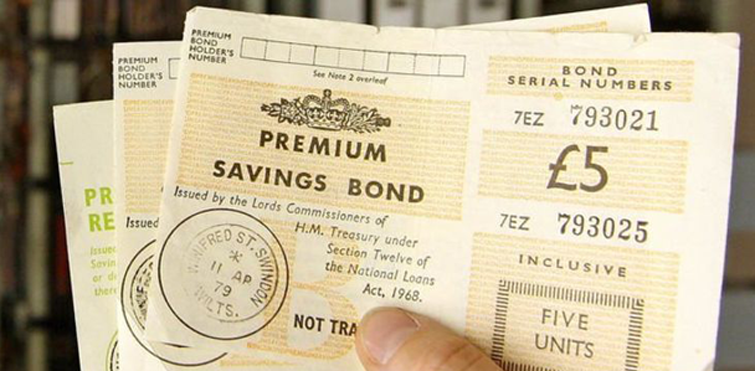
After notifying NS&I, the executor has the option to either keep the bonds in the monthly prize draw or cash them in immediately. Bonds left in the draw continue to participate for up to 12 months after the death, and any prizes won are sent to the estate via a cheque-like warrant. This allows the estate to benefit from potential winnings without any disruption.
Executors can also manage Premium Bonds online, which simplifies the process significantly. Using NS&I’s online services, it is possible to check the total bond holdings, view prize history, and claim winnings efficiently. Understanding what happens to Premium Bonds when you die online ensures the estate is managed accurately and reduces stress for family members.
Probate and Legal Considerations
If the total value of the Premium Bonds is above £5,000, a Grant of Probate or Letters of Administration is typically required. This legal process confirms the executor’s authority to handle the estate and ensures all bonds and other assets are distributed according to the deceased’s wishes. Probate helps prevent disputes and ensures the estate is legally compliant.
Premium Bonds are considered part of the deceased’s estate and are included in the calculations for inheritance tax purposes. Executors need to follow UK law carefully when managing these bonds. Knowing what happens to Premium Bonds when you die ensures that legal responsibilities are met, including notifying HMRC, calculating inheritance tax, and handling the estate correctly.
Inheritance Tax Implications
While Premium Bonds themselves are tax-free, they form part of the total estate value, which can affect inheritance tax obligations. If the estate exceeds the UK inheritance tax threshold, any applicable tax must be calculated and paid before the assets, including Premium Bonds, are distributed to beneficiaries.
Planning for inheritance tax is an essential consideration for families with significant Premium Bond holdings. Understanding what happens to Premium Bonds when you die helps executors make informed decisions, such as whether to cash in bonds immediately or leave them in the monthly prize draw. This can maximise potential winnings while managing tax implications effectively.
Practical Tips for Families and Executors
Families and executors should keep all documentation related to Premium Bonds, including purchase records and bond numbers, well-organised. Proper record-keeping ensures claims can be made quickly and accurately. Executors should also use NS&I online services to streamline the process, check prize eligibility, and manage the estate efficiently.
It is important to act promptly when dealing with Premium Bonds after a death. Common mistakes include delaying notification to NS&I or attempting to transfer bonds directly, both of which can cause unnecessary delays. Understanding what happens to Premium Bonds when you die allows executors to manage the estate smoothly, maximise potential prize winnings, and ensure compliance with UK law.
Conclusion
Premium Bonds offer a safe and exciting way to save, but understanding what happens to Premium Bonds when you die is essential. Executors must manage the estate, notify NS&I, claim prizes, and comply with probate and inheritance tax requirements. Acting promptly ensures the estate benefits fully from the bonds while avoiding legal complications and unnecessary delays.