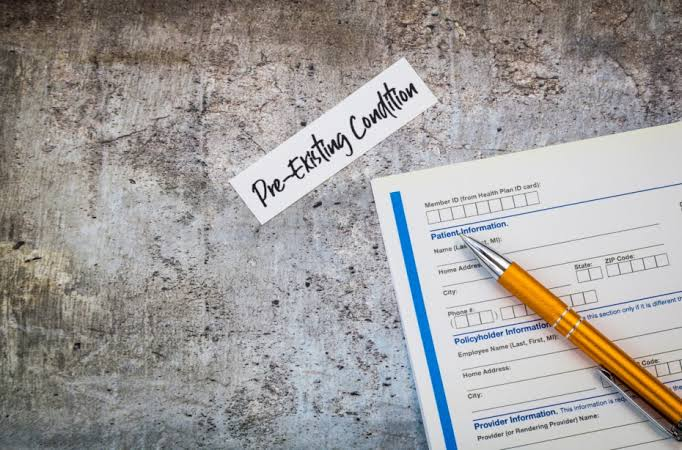
A workplace injury is rarely as simple as one moment, one accident, and one clear outcome. Many employees already have old aches, prior injuries, chronic conditions, or medical histories before something happens on the job. When a work incident aggravates an existing issue, the claim can become more complicated, but that does not automatically mean benefits are off the table.


In many cases, the central issue is not whether the worker had a pre-existing condition. The more important question is whether the job made that condition worse, triggered new symptoms, or accelerated the need for treatment. When prior medical history becomes part of the discussion, injured employees may look for guidance on reporting symptoms, organizing records, and understanding their options through resources such as california workers compensation lawyers contact.
When an Old Injury Becomes a New Problem
A pre-existing condition can include many different things. It might be a prior back injury, arthritis, a previous surgery, a repetitive strain condition, a shoulder problem, or a chronic illness that affects strength, mobility, or pain levels. Some workers may have lived with the condition for years while still doing their jobs without major limitations.
The problem often begins when a workplace task causes the condition to flare up or worsen. A worker with a history of knee pain may twist awkwardly while lifting. Someone with mild back issues may suffer a more serious injury after moving heavy materials. An employee with an old wrist injury may develop new pain after repetitive job duties. The existence of the earlier condition does not erase the impact of the work-related event.
The Key Question: Did the Job Aggravate the Condition?
Workers’ compensation claims involving pre-existing conditions usually focus on aggravation, acceleration, or worsening. If the job caused a temporary flare-up, the claim may involve short-term medical treatment. If the work incident caused a lasting change, the claim may involve more extensive care, wage replacement, or permanent impairment issues.
Insurance carriers often look closely at whether symptoms truly changed after the workplace incident. They may compare medical records from before and after the injury. If the employee had no recent treatment, no work restrictions, and no major symptoms before the incident, that can help show that something meaningful changed because of the job.
Why Medical Records Matter So Much
Medical evidence is one of the most important parts of these claims. Doctors may be asked to explain whether the work incident caused a new injury, aggravated an existing condition, or merely revealed symptoms that were already present. Their opinions can shape whether benefits are approved, delayed, reduced, or denied.
This is why consistency matters. Workers should describe their symptoms honestly, including what hurt before, what changed after the incident, and how the injury affects daily tasks. Leaving out prior injuries can create credibility problems later, especially if old records surface during the claim review.
Clear documentation can also prevent misunderstandings. A worker might say, “I had occasional back stiffness before, but after lifting at work, I had sharp pain down my leg and could not finish my shift.” That type of distinction helps separate a prior condition from a work-related worsening. For employees trying to understand how records, forms, and medical opinions may fit together, http://workerscompensationlawyercalifornia.com can be a useful reference point during the process.
Why Insurers Often Challenge These Claims
Claims involving pre-existing conditions are more likely to face pushback because insurers may argue that the worker’s symptoms are not truly job-related. They may claim the condition was part of natural aging, personal health history, or a previous accident. In some cases, they may suggest that the workplace event was minor and did not cause any real change.
That does not mean the worker has no claim. It simply means the evidence must clearly connect the job duties or incident to the worsening condition. The stronger the medical explanation, the harder it becomes to dismiss the injury as unrelated. Timing can also matter. If symptoms became worse immediately after a specific work event, that sequence may support the claim.
The Difference Between a Flare-Up and a Lasting Worsening
One major issue is whether the work incident caused a temporary flare-up or a permanent aggravation. A flare-up may involve pain that eventually returns to the worker’s prior baseline. For example, someone with old neck pain may experience increased soreness after a difficult shift but recover after rest and treatment.
A lasting worsening is different. It may involve new diagnostic findings, increased restrictions, ongoing pain, reduced mobility, surgery, or a permanent change in the worker’s ability to perform job duties. These cases can be more valuable, but they also tend to be more heavily disputed.
The distinction often depends on medical opinions. A doctor may compare old imaging with new imaging, review prior treatment records, and evaluate whether the worker’s current symptoms are different from the earlier condition. This process can take time, especially if multiple doctors provide different opinions.
Honesty Helps More Than Hiding the Past
Some workers worry that admitting a prior injury will ruin their claim. In reality, hiding a pre-existing condition can cause more damage than disclosing it. Workers’ compensation systems are designed to evaluate whether work contributed to an injury, not whether the employee had a perfect medical history.
Being honest allows the claim to focus on the real issue: what changed because of work? A worker can acknowledge a prior condition while still explaining that job duties made the symptoms worse. The goal is not to pretend the past does not exist. The goal is to show how the current injury is connected to the workplace.
How Attorneys Approach Pre-Existing Condition Disputes
When a claim is challenged, attorneys often look for gaps in the insurer’s argument. They may review medical records, gather statements, examine job duties, and question whether the insurer is unfairly blaming the entire injury on the worker’s history. In some cases, they may request additional medical evaluations to clarify causation.
Attorneys may also focus on whether the worker was able to perform the job before the incident. If the employee was working regularly without restrictions, then suddenly required treatment after a workplace event, that timeline can be important. The ability to show a clear before-and-after difference may help strengthen the claim.
What Injured Workers Should Remember
A pre-existing condition can complicate a workers’ comp claim, but it does not automatically defeat it. Many legitimate claims involve workers who had prior injuries, chronic pain, or older medical issues before a job-related incident made things worse. The outcome often depends on documentation, medical opinions, timing, and how clearly the worsening can be connected to work.
The most important step is to report the injury accurately, seek appropriate medical care, and be clear about what changed after the workplace incident. When handled carefully, a claim can still move forward even when the worker’s medical history is not perfectly clean. In the end, the question is not whether the employee had a pre-existing condition. The question is whether the job caused a new problem, worsened an old one, or turned a manageable condition into something more serious.