Bathroom flooring has a difficult job. It needs to handle moisture, daily foot traffic, temperature changes, cleaning products, and the occasional puddle left behind after a shower. For years, that made tile, vinyl, and stone the obvious choices. Wood, on the other hand, was often dismissed as too delicate for such a damp space.

That view has changed. Modern engineered wood flooring can bring warmth, texture, and a more inviting feel to bathrooms without automatically creating maintenance headaches. The key is understanding where wood works well, where it needs protection, and when another material may be the smarter choice. For homeowners comparing tile, wood-look surfaces, and slip-resistant bath flooring options, the best decision usually comes down to how the room is used day to day.
Wood flooring in a bathroom is not about ignoring moisture. It is about choosing the right product, installing it correctly, and caring for it consistently. When those pieces line up, wood can make a bathroom feel less clinical and more connected to the rest of the home.
Warmth Underfoot, Style at Eye Level
Wood has a comfort that many hard bathroom surfaces struggle to match. Tile and stone are practical, but they can feel cold, especially early in the morning. Wood adds a softer visual tone and a warmer surface underfoot, which can make even a simple bathroom feel more finished.
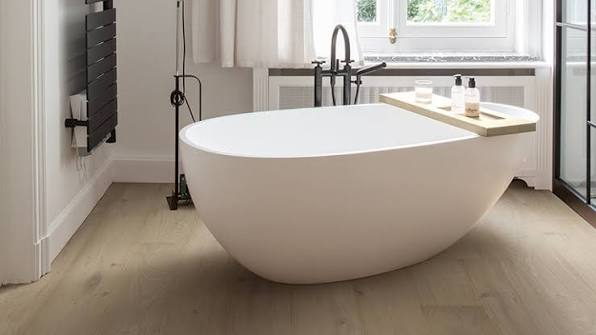
The design advantage is just as important. Bathrooms are often filled with sleek fixtures, mirrors, glass, and painted cabinetry. Wood introduces natural variation, grain, and depth. That contrast can keep the room from feeling flat or overly polished. A pale wood floor can make a small bathroom feel brighter, while deeper tones can create a richer, spa-like mood.
Wood also helps a bathroom feel connected to nearby bedrooms, hallways, or dressing areas. Instead of treating the bathroom as a separate utility space, the flooring can create a smoother visual transition. That can be especially useful in primary suites, powder rooms, or renovations where the goal is to make the bathroom feel more intentional.
Still, wood is not the right fit for every bathroom. A busy family bathroom with frequent splashes, wet towels on the floor, and poor ventilation may put more stress on the material than a lightly used powder room. The more moisture a room sees, the more carefully the flooring choice needs to be planned.
Why Engineered Wood Makes More Sense Than Solid Wood
The most important distinction is between solid wood and engineered wood. Solid wood is made from one piece of timber, which means it naturally expands and contracts as humidity changes. In a bathroom, that movement can lead to cupping, gaps, or warping over time.
Engineered wood is built differently. It has a real wood surface layer over a stable layered core. That construction helps reduce movement caused by humidity and temperature swings. It does not make the floor waterproof, but it does make it more suitable for bathroom conditions than traditional solid planks.
Finish matters, too. A durable protective finish helps guard the surface against minor splashes and everyday wear. Matte finishes can give the floor a natural, understated look, while oil-based finishes may enhance the grain and texture. The best choice depends on the style of the room and how much maintenance the homeowner is willing to do.
Board size and layout also deserve attention. Wide planks can look elegant and modern, but smaller planks or patterned layouts may offer practical benefits in compact spaces. Patterns can add movement and help the floor feel designed rather than simply installed. They can also work well in bathrooms where a large uninterrupted plank might feel out of scale.
Designing a Bathroom Around Wood Flooring
A wood bathroom floor works best when the rest of the room supports it. This does not mean every surface needs to be natural or rustic. In fact, wood often looks strongest when paired with cleaner materials such as painted vanities, simple tile walls, glass shower panels, or stone-look counters.
Light wood tones are a good option for bathrooms that need brightness. They reflect more light and can make the space feel open, especially when paired with soft wall colors and minimal hardware. Warm honey tones can create a cozy, traditional feel, while muted gray or washed finishes can suit a more contemporary design.
The surrounding details should also be practical. Bath mats should be breathable and removed regularly so moisture does not sit underneath them. Shower screens, proper caulking, and well-placed towel storage can all reduce the amount of water that reaches the floor. When homeowners are comparing renovation ideas, installation quality and material selection often matter just as much as style inspiration, which is why references such as reviews of Premier Hardwood Flooring of Greensboro, NC can become part of a broader decision-making process before final choices are made.
It is also wise to think about contrast. A wood floor next to wood cabinetry can look beautiful, but too many similar tones may feel heavy. Mixing wood with painted finishes, textured walls, or simple fixtures often creates a more balanced result. The floor should feel like part of the design, not the only design feature in the room.
Installation Details Can Make or Break the Floor
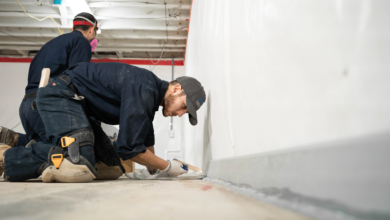
Even the best engineered wood can fail if it is installed carelessly. Bathrooms require special attention because water can find its way into small gaps around toilets, tubs, vanities, and walls. Those edges need to be planned and sealed correctly.
A properly prepared subfloor is essential. It should be clean, level, dry, and suitable for the flooring system being used. Moisture testing may be recommended before installation, especially in older homes or spaces that have had plumbing issues. Skipping this step can create problems that only show up after the floor is already finished.
Expansion gaps are another important detail. Wood still needs room to move slightly, even when engineered. These gaps are usually hidden by trim, but they prevent pressure from building up as humidity changes. Without them, the floor may lift or buckle.
Sealants around vulnerable areas are equally important. Around a bathtub, shower entrance, toilet, or vanity, water protection should be handled carefully. This is one reason professional installation is often worth considering for bathroom wood floors. A beautiful floor depends not only on the product, but on how well it is fitted into the room.
Daily Care Is Simple, But It Needs Consistency
Wood bathroom flooring does not require complicated maintenance, but it does require good habits. The biggest rule is to avoid standing water. Splashes should be wiped up promptly, and wet towels should not be left on the floor.
Cleaning should be gentle. A microfiber mop and a cleaner made for wood flooring are usually enough for routine care. Harsh chemicals, abrasive pads, and soaking-wet mops can damage the finish or force moisture into seams. The goal is to keep the surface clean without overwhelming it with water.
Ventilation is just as important as cleaning. A bathroom fan helps reduce humidity after showers and baths. In rooms without strong airflow, condensation can build up on surfaces and settle into the flooring over time. Good ventilation protects not only the floor, but also paint, cabinetry, and trim.
Homeowners should also inspect the floor occasionally. Small changes, such as a worn finish near the vanity or slight gaps near wet areas, are easier to address early. Preventive care is far less stressful than repairing damage after moisture has had time to spread.
A Beautiful Choice When Expectations Are Realistic
Bathroom wood flooring can be both stylish and practical, but it should be chosen with clear expectations. It is not the same as tile, and it should not be treated as waterproof. It performs best in bathrooms where moisture is controlled, ventilation is strong, and the household is willing to maintain it properly.
For the right space, the payoff can be significant. Wood brings warmth, texture, and a sense of calm that many standard bathroom materials lack. It can make a renovation feel more custom and more connected to the home as a whole.
The fairest way to view wood flooring in a bathroom is not as a risky design trend, but as a thoughtful option with specific requirements. Choose engineered construction, prioritize a protective finish, pay attention to installation, and keep moisture under control. With that approach, a bathroom floor can be durable, comfortable, and genuinely beautiful for years to come.