
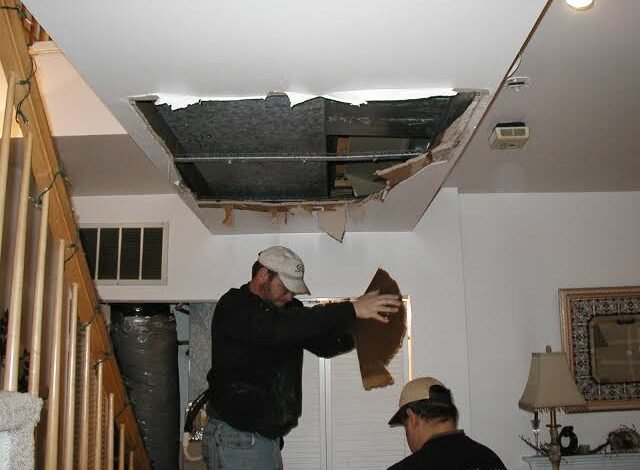
Facing a property disaster across the United Kingdom frequently involves battling two destructive elements simultaneously. When a sudden fire breaks out within a residential or commercial building, the immediate priority is extinguishing the blaze using high-pressure water hoses or automated ceiling sprinklers. Consequently, property owners are left confronting severe timber charring, compromised structural integrity, and thousands of litres of standing water that rapidly saturates internal walls, carpeting, subfloors, and foundational masonry layers throughout the building structure.


The critical forty-eight-hour window following such a catastrophic event dictates whether a building can be successfully salvaged or suffers permanent structural decay. Immediate professional intervention ensures that standing water is extracted before toxic fungal growth establishes itself deep within the damp building materials. Engaging qualified specialists for fire and water damage restoration guarantees that dangerous acidic soot deposits are safely neutralized before permanently etching into delicate interior fixtures, synthetic surfaces, glass, and surrounding metal structures.
Immediate Post-Disaster Protocol
Before stepping inside any damaged property, securing the physical environment must remain your primary operational priority. Structural timber beams, load-bearing walls, electrical wiring networks, and gas utility lines often suffer compromised stability during a severe blaze or sudden inundation, creating severe hidden hazards for returning occupants. A qualified structural engineer or emergency technician must inspect the premises to confirm the building is safe to enter before any recovery or remediation work begins.
Once safe entry is confirmed, immediately notify your insurance provider to register the claim and document the overall scope of property loss. Taking comprehensive photographs, recording detailed high-definition video tours, and compiling an itemised inventory of ruined personal belongings supplies vital evidence for your assigned loss adjuster. Taking these essential early steps ensures seamless insurance processing while certified fire and water damage restoration teams deploy industrial machinery to stabilize the structural envelope.
The Science of Water Damage Restoration and Drying
Liquid contamination is classified into distinct categories based on biological hygiene levels, ranging from clean supply line leaks to highly hazardous black water containing dangerous pathogens. Specialized restoration technicians assess the water category to select appropriate heavy-duty extraction machinery, including commercial submersible pumps and industrial wet vacuums. Removing standing liquid volume rapidly stops moisture from migrating deeper into internal cavity walls, structural floorboards, and foundational concrete slabs.
After bulk fluid removal, technicians install commercial desiccant dehumidifiers alongside high-velocity air movers to extract deeply bound moisture from porous masonry and internal structural timbers. Monitoring relative humidity levels and equilibrium moisture content ensures hidden dampness is completely eliminated throughout the structural drying phase. Utilizing scientific fire and water damage restoration methodologies guarantees that structural elements dry thoroughly, successfully preventing long-term timber rot, masonry breakdown, and hidden biological hazards.
Fire, Smoke, and Soot Remediation Techniques

Soot deposits manifest in several chemically complex forms, including dry powdery carbon, greasy synthetic films, and corrosive fuel oil residues. Each soot variation demands specialized chemical cleaning agents and precise surface treatment techniques to prevent permanent staining or severe surface abrasion. Trained restoration crews meticulously scrub affected walls, ceilings, and architectural details, removing hazardous carbon layers while preserving the underlying structural substrates from further physical degradation.
Beyond visible surface contamination, microscopic smoke particles penetrate deeply into porous plasterboards, soft furnishings, insulation layers, and structural ceiling voids, creating persistent foul odours. Advanced thermal fogging equipment and industrial hydroxyl generators attack these microscopic smoke particles at a molecular level, permanently neutralizing odours rather than merely masking them. Deploying thorough fire and water damage restoration strategies ensures that indoor air quality is restored to healthy, safe, and breathable standards.
Toxic Mould and Contamination Mitigation
In the damp climate of the United Kingdom, dangerous fungal spores can begin colonizing saturated building materials in as little as twenty-four hours post-incident. Rapid microbial growth severely degrades indoor air quality and introduces significant respiratory health risks to vulnerable individuals, elderly residents, and young children. Containing affected structural zones immediately using plastic isolation barriers stops airborne spores from circulating into unaffected rooms through natural ventilation draft pathways.
Restoration specialists install negative air pressure units fitted with certified high-efficiency particulate air filtration systems to trap floating fungal spores safely. Environmental sanitisation treatments and broad-spectrum antimicrobial agents are then applied across exposed timber framing, subfloors, and surviving fixtures to eradicate microscopic fungal colonies completely. Executing this rigorous decontamination process guarantees that your living space remains hygienic, healthy, and entirely safe for long-term human habitation.
The Structural Repair and Reconstruction Phase
Once targeted moisture levels are achieved, qualified technicians issue formal drying certificates to confirm the building is structurally sound and completely dry. This essential technical documentation provides verified proof to insurance companies that the property has been stabilized and is ready for internal rebuilding, joinery, and decorative finishing. Clear moisture certification gives property owners complete confidence that hidden dampness will not cause future structural complications or fungal outbreaks.
The reconstruction phase involves carefully evaluating which structural elements can be safely salvaged and which require complete removal and replacement. Experienced tradespeople install fresh plasterboard, replace ruined floorboards, install modern thermal insulation, and apply fresh coats of paint across restored interior spaces. Relying on an experienced team for comprehensive fire and water damage restoration seamlessly transforms a ruined structure back into a secure, comfortable, and beautifully finished property.
Navigating UK Insurance Claims with Loss Adjusters
Managing complex insurance claims after a major property disaster can prove overwhelming without organized documentation and professional guidance. Insurance loss adjusters inspect property damage on behalf of the underwriting company, making accurate evidence collection and itemised record-keeping essential for securing a fair financial settlement. Maintaining detailed communication logs and keeping digital copies of all service receipts ensures your claim covers every necessary cleanup and reconstruction expense.
Professional recovery firms regularly collaborate with insurance adjusters, supplying technical moisture logs, detailed repair scopes, and accurate reconstruction estimates. Their professional technical input helps streamline communication between all parties, preventing unnecessary administrative delays during critical recovery phases. Working alongside certified specialists ensures your insurance claim progresses smoothly while your property receives the precise level of professional care required for complete restoration.
Sustainable Practices in Property Recovery
Modern property recovery in the United Kingdom increasingly emphasizes environmental sustainability alongside traditional structural repair techniques. Restoration specialists prioritize salvaging existing building materials wherever safe, reducing the volume of flood-damaged timber, plasterboard, and masonry sent to local landfills. Utilizing energy-efficient drying systems and eco-friendly antimicrobial treatments ensures that the entire cleanup process minimizes its carbon footprint while delivering exceptional structural recovery results.
Implementing sustainable restoration practices also involves upgrading damaged structural insulation and heating systems to meet contemporary UK energy efficiency standards during the rebuilding phase. Restoring structural elements rather than blindly demolishing them preserves architectural heritage and historic building fabrics across older UK properties. Incorporating green principles into professional fire and water damage restoration guarantees a resilient, energy-efficient, and environmentally responsible recovery for your home or commercial enterprise.
Conclusion
Recovering from dual fire and water emergencies requires a systematic approach that addresses both immediate structural hazards and long-term environmental risks. From initial hazard assessments and high-powered water extraction to deep smoke deodorization and final structural reconstruction, every phase plays a vital role in returning your property to its original condition. Choosing qualified, accredited specialists ensures that your home or business is restored safely, efficiently, and to the highest industry standards.
Frequently Asked Questions
Why does a fire cause water damage?
Extinguishing structural blazes requires substantial volumes of high-pressure water from fire brigade hoses or automated commercial sprinkler systems. This water quickly pools on floors, travels through ceilings, and saturates structural walls, leaving property owners to manage both fire charring and severe water saturation simultaneously.
How long does the restoration process take?
The recovery timeline varies significantly depending on damage severity, structural layout, and environmental moisture levels. Minor liquid extraction and surface cleaning may take several days, whereas extensive structural drying, soot removal, and complete building reconstruction can take several weeks or months.
Can I remain in my property during restoration?
Remaining on site is generally not recommended due to airborne soot particles, compromised indoor air quality, active drying machinery, and potential structural hazards. Most standard UK property insurance policies provide temporary alternative accommodation funding throughout major structural restoration projects.
How do I choose a certified restoration contractor in the UK?
Look for specialist contractors accredited by recognized industry bodies such as the British Damage Management Association. Certified professionals follow strict safety protocols, deploy commercial-grade drying machinery, and issue formal drying certificates required by major UK insurance providers.
Will my building insurance cover both fire and water cleanup?
Standard UK building insurance policies typically cover direct fire damage alongside the consequential water damage resulting from emergency firefighting operations. Always review your specific policy terms, excess requirements, and coverage limits directly with your insurance provider.
You may also read: Contemporary Design Trends in Modern Homes
