Masonry is the part of a building that often lasts the longest. Brick and stone walls can stand for many years while facing rain, wind, heat, and freezing temperatures. Still, even strong masonry will wear down over time.


When small issues turn into real repair needs, the main question is not just who will take the job, but who can do it the right way. That’s why experience matters so much when choosing the best masonry restoration companies.
The difference between a fast patch and a long-term repair usually comes down to experience. A skilled masonry restoration company does more than cover up damage. They find what caused the problem, understand older building materials, and complete repairs in a way that helps the work last and keeps the building looking right. Their background can be the difference between repairs that hold up for decades and repairs that fail again in a short time.
Why Experience Determines Quality in Masonry Restoration Companies
What Sets Experienced Masonry Restoration Contractors Apart?
Not every masonry restoration contractor has the same skill level, and that matters even more when a building’s safety or historic look is involved. What separates an experienced contractor is focused knowledge built over many years and many different jobs. They understand how different types of brick, stone, and mortar react to moisture and movement. They also know how to match older mortar mixes and how to work within local codes and preservation rules.
Instead of doing simple patchwork, an experienced contractor treats restoration as a step-by-step trade. They know that the wrong approach can cause major damage. For example, covering joints with surface parging instead of doing real repointing, or using harsh cleaning methods like wire brushes and sandblasting, can harm the masonry for good. An experienced team avoids these common mistakes and repairs the building in a way that fits the original construction.
How Does Industry Tenure Impact Project Outcomes?
Time in the industry is more than a number. It shows that a company can deliver good work over and over and handle new challenges as they come up. A company with decades of experience, including teams with 30+ years in the field or award-winning restoration work, has likely seen almost every masonry problem you can imagine. That builds strong knowledge inside the company, helping them spot risks early.
This experience improves results because the team follows known standards, clear project requirements, and methods that have worked before. They know what will last, whether that means choosing the right mortar for an older Chicago building or using modern waterproofing the right way. Their past work is a strong sign that they can treat your building carefully and deliver repairs that last.
Core Benefits of Choosing Highly Experienced Masonry Restoration Companies
Enhanced Problem-Solving Skills for Complex Projects
Hard masonry projects-especially on older or historic buildings-are rarely simple. You may have unusual damage patterns, hidden structural problems, or repairs that must blend new work with old craftsmanship. Highly experienced masonry restoration companies do well in these situations because they have stronger problem-solving skills from years of practice.
Because they’ve handled many similar jobs, they can review the situation and suggest solutions that fit the building. This may include special crack repair methods, full façade repairs, or fixing issues caused by poor drainage and small shifts in the structure. Seeing problems early helps avoid delays and keeps the project moving.
Improved Accuracy in Diagnosing Structural Issues
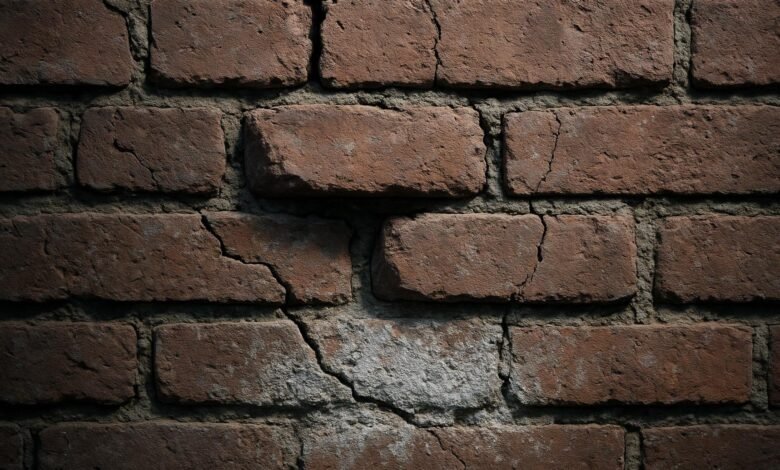
A major part of masonry restoration is finding the real cause of the damage. Cracks, white salt stains (efflorescence), and bulging walls are often signs of something bigger. Someone without enough experience may read these signs wrong and do surface-level repairs that don’t fix the main issue. A masonry specialist with lots of experience has a trained eye and a careful approach.
They can judge how bad the damage is, understand weather impacts like freeze-thaw cycles, and choose a mortar mix that works with the existing masonry. This accurate diagnosis helps stop further damage and supports the strength and service life of the building.
Superior Workmanship and Lasting Results
Good masonry restoration depends on solid workmanship and a focus on repairs that last. Experienced companies use quality materials and skilled labor because they know that cheap products and rushed work often lead to failure. They use mortar that matches the existing mix in strength, color, and texture, and they source brick or stone that fits the building’s original look.
The work is done by trained craftspeople who know traditional methods, like removing old mortar joints to the right depth (at least three-quarters of an inch for proper tuckpointing) and shaping joints in the same style as the original. This care means the work is more than cosmetic. It creates a strong repair meant to last for many years, not just pass a quick inspection.
Efficient Project Management and Timely Completion
Experience also matters in how a job is planned and managed. Skilled masonry restoration companies know delays can disrupt owners and tenants and raise costs. A dependable contractor gives a clear proposal that spells out the work plan, materials, timeline, and costs, instead of offering a vague quote that later changes.
With better scheduling, staffing, and communication, experienced teams keep projects on track and finish within the agreed timeline and budget. This makes the job less stressful for the client and leads to better results for the building.
Reduced Risk of Costly Errors and Rework
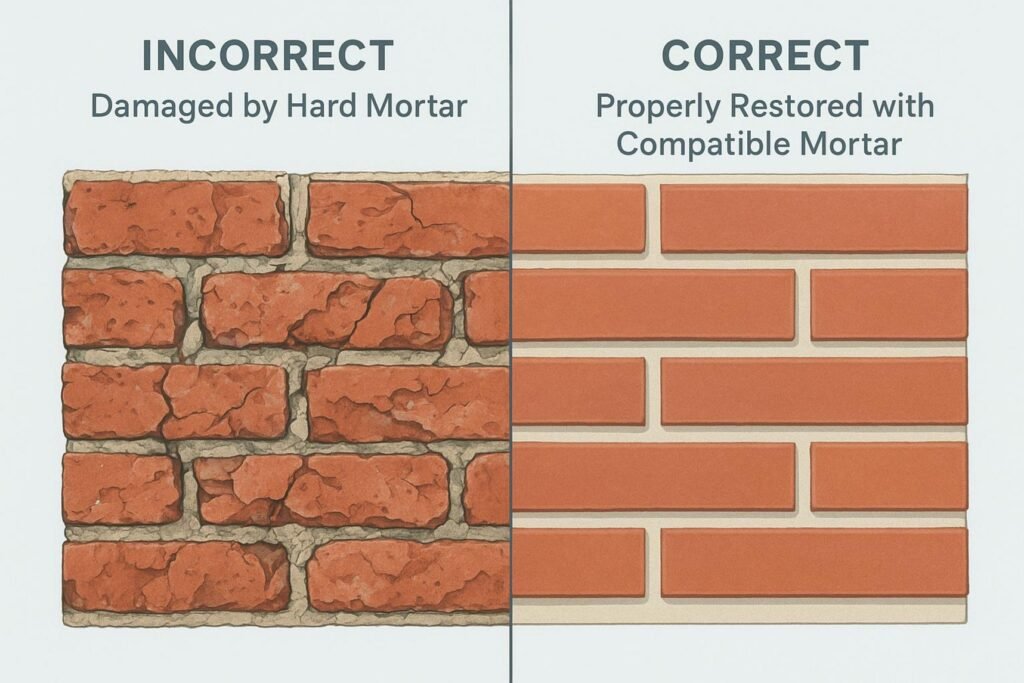
Hiring an inexperienced masonry restoration provider can lead to expensive errors and repeated repairs. A common mistake is using modern, hard Portland cement mortar on an older building that needs softer, lime-based mortar. That can cause older bricks to crack or flake (spall). Another issue is using cleaning products that stain the masonry or abrasive tools that damage the surface.
These problems can hurt both the look and the safety of the building and can cost the owner a lot of money. Choosing an experienced company lowers the chance of mistakes, helps get the job done right the first time, slows down future damage, and avoids the cost and frustration of fixing failed work later.
Experience and Historic Masonry Restoration: Preserving Architectural Heritage
Why Specialized Knowledge Is Essential for Historic Structures
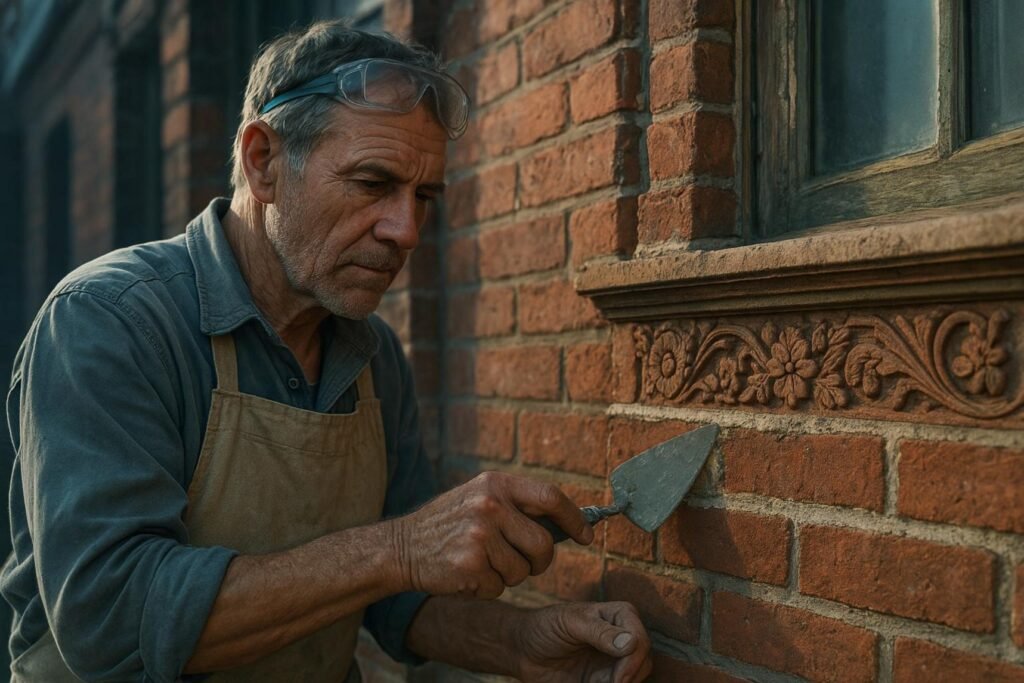
Historic buildings-often defined as 50 years old or more and important for architecture or culture-cannot be replaced once damaged. Restoring their masonry is more than a normal construction job. It is preservation work that takes specific skills. Many older neighborhoods, such as areas in St. Paul or Chicago, have buildings with detailed brick patterns, terra cotta features, and construction methods that are not used today.
Not every masonry contractor is prepared for that type of work. Special knowledge helps protect the original craft, support property value, and respect the building’s historic setting. It also means understanding how older materials and building methods work, which can be very different from modern construction.
Matching Historic Mortar and Materials Accurately
One of the most important parts of historic masonry restoration is matching the original mortar and materials. Many older buildings used lime-based mortar, which is softer and more flexible than modern Portland cement mortar. If the wrong mortar is used, it can trap moisture and put stress on old brick, leading to cracking and spalling.
Experienced restoration specialists understand these material differences. They carefully review the original mortar’s makeup, color, and texture to create a compatible mix. They also know how to find materials that match the building, such as salvaged brick and stone or custom-made terra cotta, so repairs blend in and keep the building’s original character.
Adhering to Preservation Standards and Regulations
Historic masonry restoration often has strict rules, especially for buildings in historic districts or projects connected to grants. Following these rules means knowing accepted standards, detailed project requirements, and proven conservation methods. Groups like the National Park Service (NPS) provide guidance, and programs like the Historic Masonry Preservation Certification Program (HMPC) teach both traditional skills and modern repair methods for sensitive restoration work.
An experienced company will know these requirements well, so the work meets structural needs while also meeting appearance and history rules. This focus on accuracy protects the building’s story and value for future generations.
Key Qualities of the Best Masonry Restoration Companies
Proven Track Record with Similar Projects
When reviewing masonry restoration companies, one of the most important signs of quality is proof of similar past work. Whether you own a historic brownstone, a multi-unit apartment building, or a commercial landmark, you want a contractor who can show results on buildings like yours. Ask for photos, job addresses you can visit, and contact details for past clients or property managers who can share their experience.
General claims about “lots of experience” matter less than specific examples that match your building type and the size of the work. Real proof helps you see whether they can handle the same challenges your project may have.
Certified and Skilled Restoration Teams
The final result depends on the people doing the work. The best companies use trained restoration teams, not untrained labor. Look for workers and supervisors with certifications such as EPA RRP (Renovation, Repair, and Painting) for lead-safe practices, OSHA safety training, and masonry restoration certifications from groups like the International Masonry Institute (IMI).
These credentials show that the team keeps learning and follows strong standards. A skilled crew brings the level of care needed for restoration work and keeps quality high on every part of the job.
Positive References, Reviews, and Project Portfolios
Photos and certifications help, but a strong set of references and reviews also matters. Read online reviews and look at how the company replies to negative comments. That often shows how they handle problems. Ask for references from people with projects similar to yours.
A good contractor is usually happy to share references because it supports their reputation for meeting promises, communicating clearly, and respecting the building and the timeline. A company’s name is built on how past clients feel about the work.
Commitment to Safety and Regulatory Compliance
Masonry restoration can be risky work. Crews may be on scaffolding, working overhead, or working on buildings that are still occupied. Because of that, safety and code compliance are must-haves. The best companies have clear safety rules, carry general liability and workers’ compensation insurance, and hold regular site safety meetings.
They should also be licensed, bonded, and insured, and know local building codes and permit rules. In Chicago, for example, masonry contractors must be licensed through the Department of Buildings, and permits are required for most structural work. A contractor who pulls the right permits also brings in city inspections that confirm the work meets code, which gives extra protection to the owner.
Risks of Hiring Inexperienced Masonry Restoration Providers
Potential for Structural Damage or Instability
The biggest risk of hiring an inexperienced provider is structural damage or an unsafe building. A contractor who does not understand or follow Masonry Restoration Industry Standard methods can cause serious harm. Poor repairs, like using the wrong mortar or ignoring the real source of stress in a wall, can make existing problems worse and create new ones.
For example, small cracks that are ignored or covered up can let water in. That water can rust steel inside the wall, cause bricks to break during freeze-thaw cycles, and eventually impact the building’s safety. Fixing these types of mistakes often costs far more than what you saved by hiring a cheaper company, which is why working with an established firm like Nova Construction Services from the start tends to pay off.
Inappropriate Material Use and Short-Lived Repairs
Inexperienced contractors often choose the wrong materials or use the right materials the wrong way, which leads to repairs that fail quickly. A common mistake is using hard Portland cement mortar on older masonry that was built for lime-based mortar. This mismatch can damage brick fast and turn a $4,000 tuckpointing job into a $20,000 brick replacement job.
Bad repointing is another common issue. If new mortar is spread over old mortar without removing the damaged joint to the proper depth, the repair may fail within a year or two. Harsh cleaning methods like sandblasting, or certain chemicals, can also damage or stain masonry and remove its protective surface, speeding up future wear.
Increased Liability and Unexpected Costs
Hiring an unlicensed or uninsured contractor can put the owner at risk. If an uninsured worker is hurt on your property, you may be responsible. If an unlicensed contractor damages your building or a neighboring building, your insurance may not cover the cost.
There are also budget risks. Inexperienced contractors often give unclear, one-line proposals that hide real costs and allow “scope creep.” That means a low bid can quickly grow after the job starts, with added charges for scaffolding, materials, or extra work that wasn’t clearly listed. Delaying masonry repairs already raises costs over time, and that problem gets much worse if the first repair is done wrong.
Making the Right Choice for Your Masonry Restoration Project
Recommendations for Selecting Proven Professionals
Choosing a masonry restoration company affects your building’s safety, how long it will last, and how it looks. The best approach is to put skill, years of experience, and a proven project history first. Cost matters, but choosing the lowest price without checking the company can lead to much higher costs later because of poor work or wrong materials.
Do your homework: confirm credentials, check references carefully, and review project photos closely. Choose companies that understand your building and the type of work it needs, especially if the project involves older structures or harder repair issues. Look for teams that focus on safety, communicate clearly, and give detailed proposals. When you focus on long-term value instead of short-term savings, you get repairs that last and look right.
Checklist for Comparing Masonry Restoration Companies
Use this checklist to compare masonry restoration companies:
- Licensing & Insurance: Are they licensed, bonded, and insured? (Ask for proof.)
- Experience: How many years have they worked on your type of building (historic, commercial, multi-unit)?
- Portfolio: Can they show similar past projects and share references?
- Estimate Transparency: Is the estimate written, itemized, and clear about scope, materials, and costs?
- Safety & Compliance: Do they have safety rules, proper insurance, and well-run job sites? Will they pull all required permits?
- Material Expertise: Do they specify the right mortar mix and materials for your building’s age and masonry type?
- Workmanship Standards: Do they commit to correct methods (like proper grinding depth and matching joint style)?
- Team Structure: Do they use trained in-house crews, or subcontract (and how are subs checked)?
- Warranty: Do they offer at least a two-year workmanship warranty that covers freeze-thaw damage?
- Communication: Are they clear, responsive, and professional during the quote and planning stage?
Conclusion
Masonry is both the outer shell and part of the support system of a building. Keeping it in good shape is more than a style choice. It is an investment in safety, long life, and property value. Regular masonry repair and restoration helps protect the building’s strength and appearance and keeps small problems from turning into large, expensive ones.
It’s a good idea to have masonry checked once a year, especially after harsh weather like heavy rain, snow, or repeated freeze-thaw cycles. These checkups can find weak spots, failing mortar, and early leaks before they grow. By acting quickly when you see cracks, white staining, or loose bricks-and by hiring experienced professionals-you protect the building’s look, support stronger walls, improve drainage and waterproofing, and extend the building’s life for many years. Waiting almost always costs more than fixing the issue early, so choosing the right restoration partner is one of the smartest steps you can take.
Frequently Asked Questions About Experienced Masonry Restoration
What Questions Should I Ask Before Hiring a Restoration Company?
When picking a masonry restoration company, the questions you ask can protect your building and your budget. Ask if they are licensed, bonded, and insured, and request proof. Ask how long they have been in business and how often they work on buildings like yours. Request a portfolio with before-and-after photos and ask for references.
Ask about their work plan, such as: “What mortar mix will you use, and how will you confirm it fits my building’s age?” “How deep will you grind the joints for tuckpointing?” “Will your own crew do the work, or will you hire subcontractors?” Ask about the warranty, including coverage for workmanship for at least two years and language that covers freeze-thaw mortar damage. Also confirm they will pull all required permits and provide a written, itemized estimate that lists costs clearly.
How Do I Evaluate a Masonry Specialist’s Expertise?
Checking a few boxes is not enough. To judge real expertise, start by reviewing the company’s portfolio and look for steady quality and work on different masonry types. Notice how they talk about past projects. Do they explain the problems they faced and how they fixed them, or do they only show finished pictures?
When you speak with references, ask about communication, staying on schedule, staying on budget, and how the work has held up over time. During an on-site visit, watch how they inspect the building. Do they look carefully, explain the cause of the damage, and describe their repair plan in simple terms? Clear explanations and a clear proposal are strong signs of real skill.
What Credentials Indicate True Restoration Experience?
Real restoration experience usually shows up through both credentials and a strong work history. Start with the basics: the company should be licensed, bonded, and insured. Look for certifications that fit the job, such as EPA RRP for lead-safe work on older buildings and OSHA training for jobsite safety.
Membership in industry groups like the Mid-Atlantic Masonry Association (MAMA), the Mason Contractors Association of America (MCAA), or the International Masonry Institute (IMI) can also show a company takes training and standards seriously. A long company history, along with many successful projects on older or architecturally important buildings, is strong proof that the company can be trusted with specialized masonry restoration work.