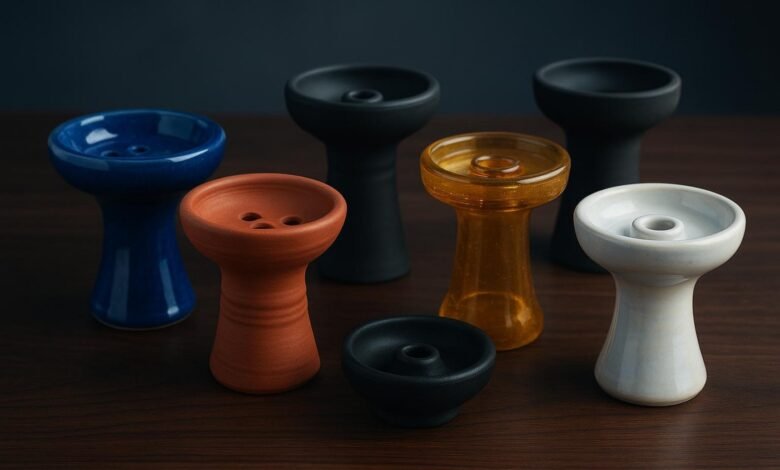
Picking hookah accessories can feel overwhelming at first-there are so many parts and so many options. Out of all of them, the hookah bowl is one of the biggest factors in how your session turns out. The key idea is simple: there is no single “best” bowl for everyone. The right bowl depends on what tobacco you use, how you like to manage heat, and how long you want to smoke.


Once you understand the main types and materials of hookah bowls, it becomes much easier to get better flavor, thicker smoke, and smoother pulls.
From classic clay bowls that people have used for years to newer silicone options, each bowl style changes how heat moves through the tobacco, how well flavor stays strong, and how the session feels overall. Whether you’re new to hookah or you’ve smoked for a long time, choosing a bowl matters a lot. Let’s break down the common designs and what makes them different.
What Is a Hookah Bowl?
A hookah bowl is the part that holds your shisha tobacco. It sits on top of the hookah stem and is where the session starts. You pack tobacco into the bowl, then cover it with foil or use a heat management device (HMD).
When you place charcoal on top, the heat warms the tobacco and creates the flavored smoke. A bowl is more than just a holder-it controls how the tobacco heats up, which affects flavor, smoke output, and how harsh or smooth it feels.
The Role of the Bowl in Hookah Smoking
The bowl’s main job is to hold shisha and help it heat the right way. Heat from the coals moves through the bowl into the tobacco, warming the molasses and glycerin so they produce smoke. A good bowl spreads heat evenly.
With the wrong bowl, even great tobacco and good coals can give you a bad session: burnt taste, rough hits, weak flavor, or short smoke time. The bowl quietly controls the start of the smoke process and sets the quality for the whole session.
Why Bowl Design Matters
Bowl design is not random. The depth, width, and hole setup change heat control, airflow, flavor strength, and how much tobacco you use. Some bowls are made to stop wet juices from running down into the stem, which helps flavor last longer. Others focus on strong airflow for big clouds.
The bowl material matters too, since different materials heat up differently and last different lengths of time. Knowing these details helps you pick a setup that fits what you like-more flavor, more clouds, or longer sessions.
What Are the Main Types of Hookah Bowls?
As hookah became more popular, more bowl designs were created for different styles of smoking. Some are old-school classics, and others are newer designs made for modern tobacco. Learning the main types is the first step to building a setup that fits you.
Egyptian Bowls
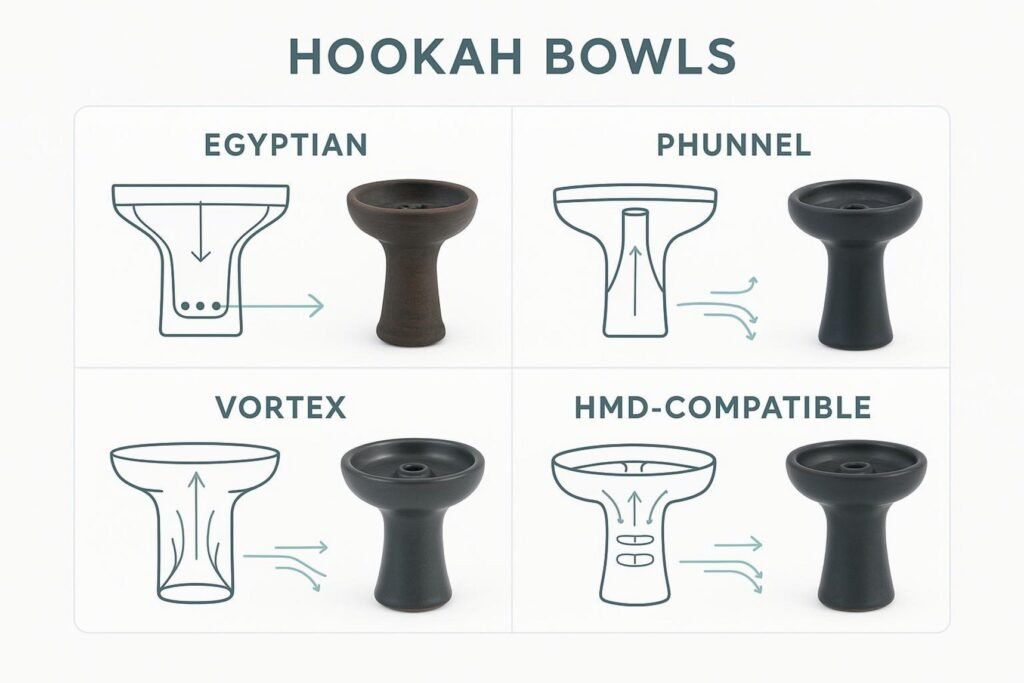
Egyptian bowls are one of the most common “traditional” bowl styles. They usually have a deep dish with several small holes at the bottom. They’re often made from clay and are included with many hookahs because they are cheap and easy to find. They work well for steady sessions and are a good starter bowl. The downside is that with modern wet tobacco, juices can drip through the holes and into the stem, which can reduce flavor and shorten the session. They work best with drier shisha like Al Fakher or Nu Tobacco.
Syrian and Turkish (Traditional) Bowls
Syrian and Turkish bowls are also traditional multi-hole bowls, often with a deeper shape and clay build that holds heat well. Many smokers like them for a classic style session and strong flavor, especially with dark-leaf tobacco like Tangiers, Sebero, or Black Burn. They can handle higher heat and often last a long time per session.
Some Russian-style bowls (like UPG / Universal Phunnel Grade) also fit into this general “traditional” group. They often have thick walls for better heat control and a multi-hole bottom. They can work well with medium-cut tobaccos like Serbetli or Element and can be used with foil or an HMD.
Phunnel Bowls
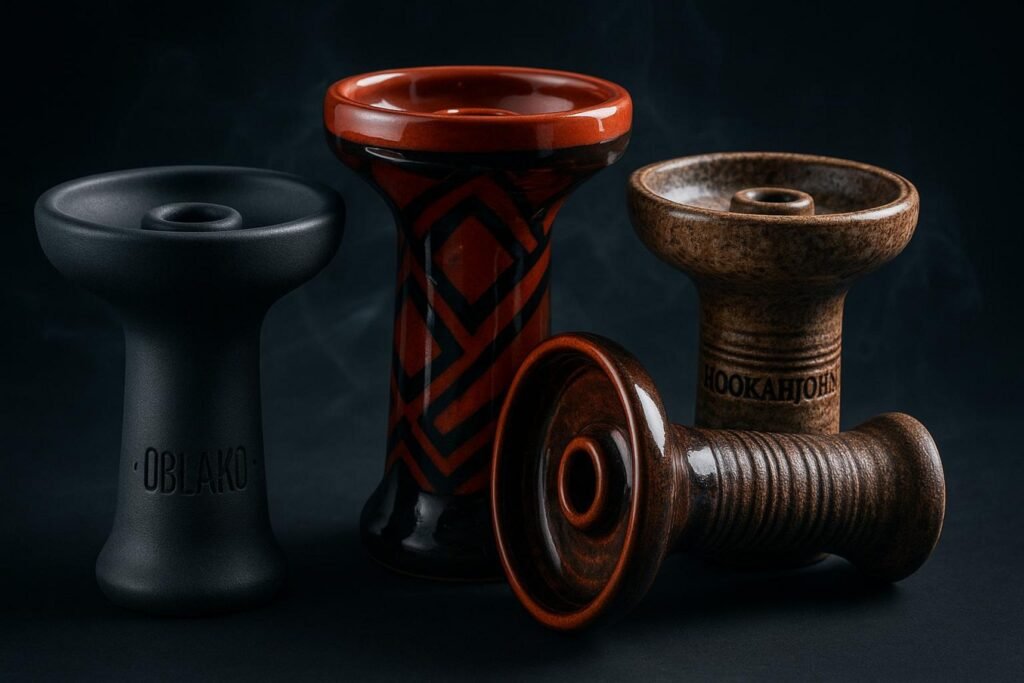
Phunnel bowls are easy to spot because they have a raised center piece (a spire) with one large hole at the top. This design keeps juices inside the bowl instead of letting them drip into the stem. That means the tobacco stays wetter longer, and you usually get a longer session with stronger flavor. Phunnel bowls are great for juicy tobaccos like Fumari, Starbuzz, MustHave, or Bonche, and they work very well for most blonde leaf brands.
Vortex Bowls
Vortex bowls are similar to phunnel bowls because they also have a raised center. The difference is that instead of one big hole on top, they usually have 3-4 smaller holes around the side of the spire. Airflow can feel a bit more restricted than a phunnel, so the draw can feel different. Like phunnels, vortex bowls help stop juice from leaking out, which helps flavor stay consistent.
HMD-Compatible Bowls
Heat Management Devices (HMDs) made hookah sessions easier for many people by reducing the need for foil and helping heat stay more stable. Because of this, many bowls are now built to fit HMDs better.
These bowls often have an inner “lip” or shape that helps an HMD (like a Kaloud Lotus Plus) sit securely. You don’t always need an HMD with these bowls, but they tend to work best when used together. HMD-compatible bowls can be traditional, phunnel, or vortex designs.
Hybrid and Specialty Bowls
Some bowls mix features to create a different style of session. For example, “Killer” bowls try to mix a phunnel-like idea with more airflow, aiming for stronger pulls while still keeping some juice inside. Others, like the AppleOnTop (AOT) bowl, use metal with a silicone grip for high heat resistance and a modern look.
These bowls are usually for people who want to fine-tune heat, airflow, or style after they already know what they like.
What Materials Are Used for Hookah Bowls?
A bowl’s material matters as much as its shape. Material affects heat speed, heat hold, durability, taste, and cleaning. Each material has pros and cons, so it helps to know what you’re getting.
Clay
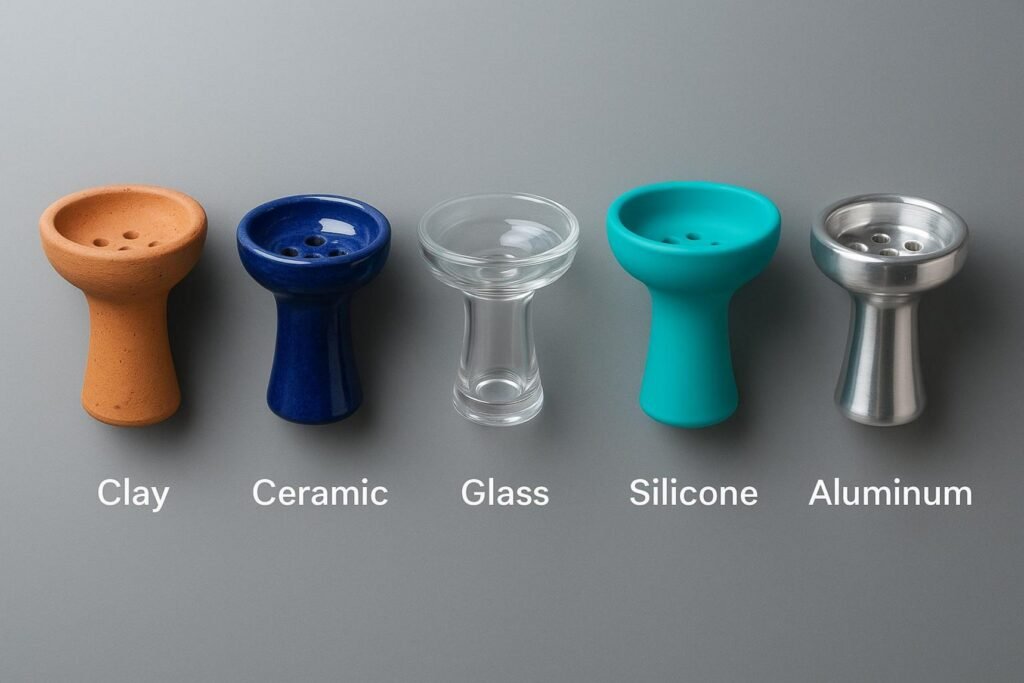
Clay is one of the most common hookah bowl materials and has been used for a long time. Clay handles high charcoal heat well and spreads heat evenly, which helps cook the tobacco more consistently and bring out strong flavor. Many clay bowls are handmade, so small differences are normal.
Clay bowls can be glazed or unglazed:
- Glazed clay: less likely to absorb flavors, so it’s easier to switch between different shisha flavors.
- Unglazed clay: absorbs juices over time, so it’s better if you want to keep using the same flavor and build a stronger taste (“seasoning”).
Clay can crack or break if dropped, and quick temperature changes can also damage it.
Ceramic
Ceramic bowls are related to clay bowls, but they are often thinner and lighter. They’re usually cheaper because they can be made in large batches. Ceramic can hold heat fairly well and comes in many colors and styles. They are a popular first upgrade for beginners because they balance price and performance.
The downside is that thinner ceramic may heat less evenly than thick clay, and it can crack more easily if it gets shocked by sudden heat changes or hits.
Glass
Glass bowls look clean and modern, and they are known for pure taste because glass doesn’t absorb old flavors. That makes them a good pick for people who care most about flavor accuracy. The main problem is that glass can break easily.
Glass also does not spread heat the same way clay does, so it can be easier to overheat parts of the tobacco if you don’t control heat carefully. Some glass bowls use silicone parts for extra protection and easier use, like the Kaloud Vitria II.
Silicone
Silicone bowls became popular because they are very hard to break. They’re great for travel, parties, or anyone who drops things. Silicone is heat resistant, so it cools faster and is easier to handle. Many silicone bowls also make a tight seal on the stem without needing a grommet.
However, silicone does not move heat into the tobacco as well as clay, so the tobacco may cook less evenly. Silicone can also hold onto old flavors more, which can cause flavor “ghosting.” Some hybrid bowls use silicone plus glass or metal to improve heat performance while keeping silicone’s durability.
Aluminum and Metal
Metal bowls heat up very fast and can get very hot. That can be good for strong smoke output, but it also makes it easier to burn tobacco if you’re not careful. The bowl itself becomes extremely hot, so handling needs extra care. Metal bowls are very tough and won’t break easily, even if dropped, though they may get scratched. Many people pair metal bowls with HMDs to help control heat better.
Stone and Hybrid Materials
Stone bowls are less common, but many smokers like them for stable heat and long sessions. They handle high heat well and are less likely to overheat quickly, which can help with dark-leaf tobacco that needs more heat. Stone bowls come in phunnel and traditional shapes.
Hybrid bowls mix materials (like clay with silicone, or stone with silicone) to combine benefits. For example, a clay-silicone hybrid can give you clay-like heat control with easier handling and a tighter fit.
How Does Bowl Shape Affect Smoking Performance?
Bowl shape is not just about looks. The inside design changes how heat moves, how air flows, and how your tobacco lasts during the session.
Heat Management and Retention
Depth and wall thickness affect how heat is handled. Thick bowls (often clay or stone) usually hold heat longer and keep it more steady, which helps with dark-leaf tobaccos that need strong, steady heat. Thin bowls may warm up quickly but can be less steady, which may cause uneven heating or hot spots. Bowl size also matters: bigger bowls may need more coals or more attention to keep the heat even across all the tobacco.
Flavor Preservation and Tobacco Usage
Shape affects how well flavor lasts. Traditional multi-hole bowls can let wet juices drip into the stem, which can weaken flavor and shorten the session. Phunnel and vortex bowls help keep juices in the bowl, so the tobacco stays wet and produces flavor longer. The bowl’s depth and width also control how much tobacco you pack and how it meets heat, which changes how long the session lasts and how much shisha you use.
Smoke Production and Airflow
Hole placement and internal shape affect airflow and draw feel. Multi-hole bowls (Egyptian/Turkish styles) pull air through the bottom and can feel more “classic” in the draw. Phunnel bowls usually feel more open, giving an easier pull and often thicker clouds, since the juice stays in place and airflow stays clear. Vortex bowls often feel a bit tighter than phunnels. The best choice depends on whether you like an open draw or a more restricted pull.
Which Bowl Types Suit Different Tobacco Types?
Different tobaccos work better in different bowls. Tobacco cut, how wet it is, and how much heat it needs all matter. If you mismatch them, you can get harsh smoke, weak flavor, or wasted tobacco.
Best Bowls for Blonde Leaf Tobacco
Blonde leaf tobaccos like Al Fakher, Starbuzz, Fumari, or Adalya are usually wetter and burn faster than dark leaf. They need controlled heat and good moisture hold to keep flavor steady. Phunnel bowls are usually the best match because they keep the juices inside.
Silicone phunnel bowls can also work well for beginners because they’re easy to handle and can be more forgiving with heat. A shallow phunnel like the Hookain Lil Lip Phunnel is often efficient for blonde leaf because it heats up quickly and doesn’t need a huge amount of tobacco.
Best Choices for Dark Leaf Tobacco
Dark leaf tobaccos like Tangiers, DarkSide, MustHave, and BlackBurn are stronger and often need more heat. Many people use a dense pack with dark leaf. Deep traditional bowls made from thick clay or stone are strong choices because they hold heat well and allow airflow through the bottom holes, which helps heat reach deeper into the pack.
Bowls like the Kong Lava Bowl, Cyril Bowl Thor, or Alpha Bowl RC are good examples built for higher heat and steady sessions. Using an HMD can also help keep heat more controlled with dark leaf.
Juicy and Wet Tobacco Compatibility
If your tobacco is very wet, the main goal is keeping the molasses from draining out. Phunnel and vortex bowls are built for this. They keep juices in the bowl so the tobacco cooks in its own liquid, which helps flavor stay strong and makes sessions last longer. For fruit, candy, or dessert flavors, this can make a big difference.
Dense vs. Fluff Packing Styles
Your packing style also affects which bowl feels best:
- Dense pack (common for dark leaf): often works best in deeper traditional bowls that can handle higher heat and keep it steady.
- Fluff pack (common for blonde leaf): works very well in phunnel bowls, since airflow stays good even when tobacco is packed lightly.
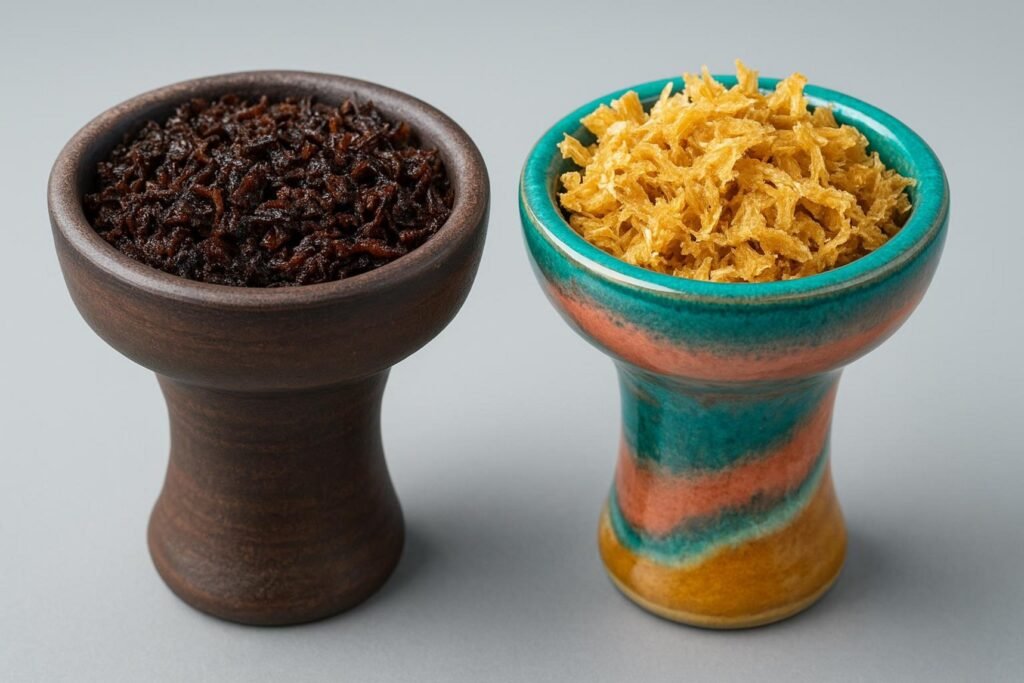
Some hybrid bowls with flexible airflow designs-like the Oblako Flow Hookah Bowl or Cyril Bowl X Series – Hispania-can handle more than one packing style, which is useful if you like to experiment.
How to Choose the Right Hookah Bowl
Choosing a bowl comes down to what you like and how you smoke. Material, shape, and your goal (flavor, clouds, session length) should all match up. Here are the main points that help you decide.
Session Length and Bowl Capacity
Bigger bowls hold more tobacco and usually last longer. If you want a short solo session, a smaller bowl like the HookahJohn 80 Feet Espana can be a good fit, since you won’t waste shisha. If you want longer sessions or you smoke with friends, a larger bowl like the Shisha House Bishop bowl or a Tangiers Medium phunnel bowl from Shisha Boutique lets you pack more tobacco and keep the session going longer without refilling.
Personal Smoking Preferences
Think about what matters most to you:
- Pure flavor: glass bowls are great because they don’t hold old taste; clay also gives strong flavor.
- Big clouds: ceramic and clay often work well because they hold and spread heat well.
- Easy and durable: silicone is hard to break and simple to clean, making it good for casual use or travel.
Knowing your style-flavor-focused, cloud-focused, or convenience-focused-makes the choice much easier.
Airflow Preferences
Airflow changes how the draw feels and how warm the smoke is. If you like an easy, open draw, phunnel bowls often match that style. If you like a more restricted draw that can feel warmer and stronger, many traditional multi-hole bowls will feel closer to that. Trying a few bowl types is the best way to find what feels right.
Bowl Compatibility with Heat Management Devices
If you use an HMD (like the Kaloud Lotus), it helps to use a bowl made to fit one. These bowls often have a lip or flat rim so the HMD sits securely and transfers heat well. Many bowls can work with an HMD, but bowls designed for it tend to feel more stable and easier to use. All HookahJohn bowls, for example, are generally made to work well with the Kaloud Lotus, with some exceptions like the 80 Feet Espana which is made for foil.
Ease of Use for Beginners vs. Experienced Smokers
Beginners usually do best with bowls that are simple and forgiving. Silicone bowls are a strong starter choice because they don’t break easily and are easy to clean. Ceramic bowls are also a good starter upgrade because they are affordable and work well.
With more experience, many smokers move to clay for better heat control and strong flavor, or glass for clean taste (with more careful handling). More advanced smokers often try hybrid or specialty bowls to fine-tune sessions.
Frequency of Flavour Changes and Cleaning Needs
If you switch flavors often, pick materials that don’t hold onto old taste. Glazed clay, ceramic, and glass are good for this and are usually easy to clean with warm water and mild soap. Silicone is also easy to wash, but some silicone bowls can hold flavors over time. Unglazed clay is best if you plan to stick with one flavor often, since it absorbs juices and builds that taste over many sessions.
Are Hookah Bowls Universal and Interchangeable?
Many new smokers assume all bowls fit all hookahs. That’s not true. Some bowls fit a lot of hookahs, but there is no perfect universal fit. Fit affects air leaks, stability, and overall performance.
Bowl Fitting and Compatibility
Hookah stems have different bowl port sizes. Many hookahs use inside-fitting bowls with a rubber grommet to seal the connection. Many silicone bowls can seal well without a grommet because the neck is flexible and grips the port.
Some hookahs, especially all-glass models like Lavoo, use special glass-on-glass connections and need specific glass bowls (or an adapter). Always check product details for fit notes, and contact support if you’re not sure.
Potential Issues with Non-Standard Hookahs
If the bowl doesn’t fit well, you can run into problems:
- Loose fit: air leaks, weak smoke, weaker flavor.
- Too tight: bowl may not sit right, can be unstable, and may cause damage.
- Special connection types: may require a matching bowl or an adapter (common with some glass hookahs).
A snug fit is usually the best option for stable airflow and a better session.
Which Hookah Bowl Is Best? Recommendations and FAQs
The “best” bowl depends on your tobacco, heat style, and what you like in a session. Still, there are some reliable general picks that work well for many people.
Best Overall Bowl Types
For most modern wet blonde-leaf tobaccos, a phunnel bowl is often the best all-around choice because it keeps molasses inside and helps flavor last longer. If you want something easy and hard to break, a silicone phunnel bowl gives similar benefits and is simple to clean. If you smoke drier tobacco or dark leaf and like a classic feel, a traditional clay bowl is a strong choice thanks to steady heat and bold flavor.
Popular Brands and Their Strengths
- Kaloud: Known for HMDs and bowls like the Samsaris, often mixing silicone and glass for steady heat and clean flavor.
- Oblako: Popular Russian brand with Phunnel and Killer styles, known for steady heat and durable builds. The Oblako Flow is well known for strong flavor and good clouds.
- Kong Bowls: Known for unique glazes, strong build quality, and handmade designs.
- Japona Bowls: Japanese-inspired style with high build quality and distinct designs.
- Smokelab Bowls: Good clay quality with stylish looks and dependable performance.
- Harvik Bowls: A newer brand that focuses on both looks and function, with different shapes for different smoking styles.
- HookahJohn: Known for US handmade American Clay bowls with strong heat hold and even heat spread.
Key Takeaways for Choosing the Right Hookah Bowl
Learning about hookah bowls helps you get more control over your sessions. Instead of searching for one bowl that works for everything, focus on how bowl shape and material work with your tobacco and heat style.
Think of the bowl as a tool that shapes the whole session. As you try different bowls, you’ll notice changes in flavor strength, smoke thickness, and how long your shisha lasts. Try a few styles, pay attention to what you enjoy most, and adjust your setup until it matches your personal taste.
FAQs
What is the best hookah bowl shape for beginners?
For beginners, phunnel bowls are usually the easiest. They are simple to pack, keep tobacco moist, and often give smoother sessions. A silicone phunnel bowl, like the Cyril Silicone Cornetto Bowl, also helps because it’s hard to break, easy to hold, and easy to clean.
What is the difference between phunnel and traditional hookah bowls?
Traditional bowls (like Egyptian or Turkish) have many small holes at the bottom. They work well with drier tobacco but can let wet juices drip into the stem. Phunnel bowls have a raised center spire with one hole at the top, which keeps juices inside the bowl. This helps wet tobacco last longer and keeps flavor stronger through the session.
Does bowl shape affect flavor?
Yes. Bowl shape changes airflow, heat spread, and how much juice stays in the bowl. Phunnel and vortex bowls keep molasses inside, helping flavor stay richer and more even. Traditional bowls can lose some flavor strength with wet blends if juices drain out. Material matters too: glass gives a very clean taste, while unglazed clay can build up a single flavor over time.