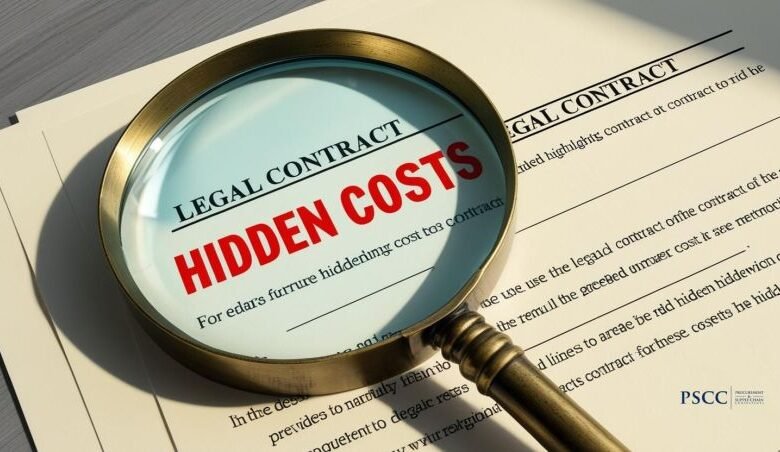
Loyalty has its place, but in business procurement it can quietly drain your budget year after year. Many SMEs stick with the same energy providers, broadband suppliers and software vendors long past the point where the original deal made commercial sense. The contract rolls over, the invoice gets paid, and nobody asks whether a better option exists.

The result? Independent research consistently puts the overpayment gap for loyal SME customers at somewhere between 15% and 30% above current market rates. On a modest annual spend, that’s a meaningful sum leaving the business for no reason other than inertia.
Where the Overpayment Tends to Happen
Energy Contracts That Auto-Renew Into Bad Rates
Energy is one of the most common culprits. Business energy contracts often include auto-renewal clauses that roll the customer onto a new fixed term if they don’t give notice within a specific window. Miss that window and you’re locked in for another year, often at rates that haven’t been benchmarked against the market.
A small manufacturing business in the Midlands, for instance, might be paying a standing charge and unit rate negotiated in 2021 and renewed twice since without a single competitive quote. The market has shifted considerably in that time, and what looked like a reasonable deal then may now sit noticeably above what a new customer would pay today.
Broadband Providers Rewarding New Customers, Not Loyal Ones
Business broadband is similar. Providers routinely offer promotional pricing to acquire new customers while existing ones drift onto standard tariffs. If you’ve been with the same provider for three or more years and haven’t renegotiated, there’s a strong chance you’re not on their best available rate.
Switching or simply calling to renegotiate can make a noticeable difference. The same logic applies across most supplier categories which is why tools like procurement analytics software are increasingly useful for businesses that want a clear picture of what they’re paying versus what they should be. The problem is that most finance teams don’t flag broadband or similar recurring costs as a priority. They work, they get paid, and they rarely get looked at.
Software Subscriptions That Grow Without Being Reviewed
SaaS spend has become one of the fastest-growing areas of overpayment for SMEs. Licences get added as headcount grows but rarely removed when people leave or tools go unused. Tools that were bought to solve a specific problem often outlive that problem on the books.
Unlike energy or broadband, software overspend tends to compound quietly. You might be paying for three project management tools because different teams adopted different solutions at different times, with nobody ever consolidating. Vendors rarely volunteer that information.
Why SMEs Are More Exposed Than Larger Businesses
Larger companies tend to have dedicated procurement functions that review supplier contracts on a structured cycle. SMEs typically don’t. Buying decisions often sit with whoever has time rather than whoever has market knowledge, and “we’ve always used them” tends to win out over a competitive review process.
There’s also the relationship factor. Long-standing supplier relationships feel valuable, and there’s a reasonable concern that pushing too hard on price will damage goodwill. In practice, most suppliers expect to be negotiated with. The ones that don’t are often the ones charging the most.
How to Start Paying Market Rates Again
The first step is simply visibility. You can’t renegotiate what you can’t see clearly. Pull together your key supplier contracts, note the renewal dates, and flag anything that hasn’t been competitively reviewed in the past 12 months. Three areas to prioritise:
- Energy: Get at least two broker quotes before any renewal date and give sufficient notice to avoid auto-renewal.
- Broadband and connectivity: Call your provider and ask directly what their best available rate is. If they won’t move, get an alternative quote to use as leverage.
- Software: Audit your licences against actual usage before any renewal. Vendors will often reduce per-seat pricing if you can demonstrate that you’re genuinely consolidating.
The leverage is usually there. Suppliers would rather retain a customer at a lower margin than lose them altogether, particularly in competitive categories. But you do need to ask.
The Bottom Line
Supplier loyalty isn’t inherently a problem. Some long-term relationships genuinely deliver value through better service, priority support, or commercial flexibility built up over time. The problem is loyalty that’s never been tested, where no one has asked whether the current arrangement still makes sense.
For most SMEs, a structured review of key supplier categories once a year will surface savings that more than justify the time spent. The 15–30% overpayment gap doesn’t close on its own. Someone has to go looking for it.