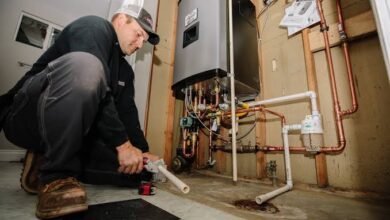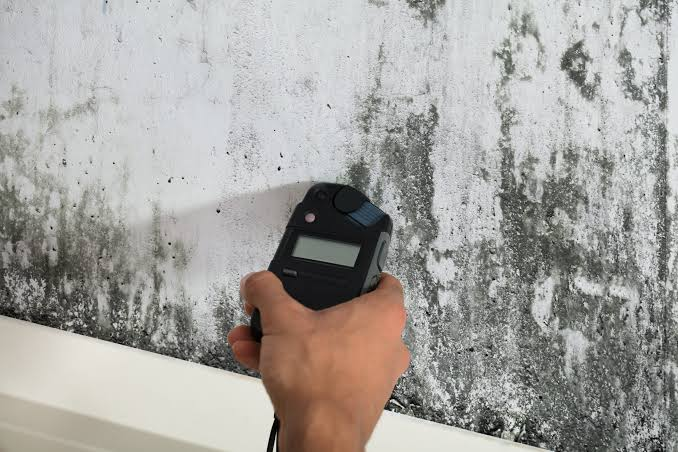
A professional mold inspection is a detailed process used to determine whether mold is present in a property, where it may be growing, what conditions are supporting it, and whether further testing or remediation is needed. A qualified inspector typically examines visible and hidden areas, looks for moisture problems, checks indoor conditions, and may collect air or surface samples when appropriate. For homeowners and property managers, professional Mold Inspection in Long Island can provide a clearer understanding of a suspected mold problem than a simple visual check.


Mold can grow in places that are difficult to see, including behind walls, under flooring, around plumbing fixtures, inside HVAC components, and in damp building materials. Because moisture is usually the underlying cause of mold growth, a proper inspection looks beyond the visible spots and investigates why the problem may be occurring.
At Quest Testing, we approach mold inspections as an investigation rather than simply searching for black spots. The goal is to gather useful information about the property’s moisture conditions and indoor environment so the next step can be based on evidence.
What Happens During a Professional Mold Inspection?
A professional mold inspection generally follows several stages. The exact process depends on the property’s age, construction, history of water damage, visible conditions, and reason for the inspection.
The inspection commonly begins with a discussion about the property’s history. The inspector may ask about leaks, flooding, plumbing problems, roof damage, musty odors, previous mold growth, or earlier remediation work. This information can help identify areas that deserve closer attention.
The inspector then conducts a systematic visual assessment of the property. Instead of looking only at obvious mold growth, they examine areas where moisture could have accumulated or where building materials may have been exposed to water.
Step 1: Reviewing the Property’s History
Before examining walls and other surfaces, a professional may discuss previous moisture events and building concerns with the property owner or occupant.
Important details can include:
- Previous flooding or water intrusion
- Plumbing leaks or pipe failures
- Roof or window leaks
- Basement or crawl space moisture
- Condensation problems
- Previous mold remediation
- Persistent musty odors
- Areas that repeatedly feel damp
This background can help an inspector understand where to focus attention. For example, a repaired plumbing leak may no longer be active, but moisture could have remained inside drywall or insulation.
Step 2: Performing a Visual Mold Assessment
The visual assessment is one of the most important parts of a mold inspection. The inspector examines accessible areas throughout the property and looks for signs associated with mold and moisture.
Visible mold may appear as patches, discoloration, spots, or growth on materials such as drywall, wood, insulation, carpeting, and ceiling surfaces. However, not every dark stain is mold. Dirt, soot, staining, and other materials can look similar.
The inspector may also look for less obvious indicators, including peeling paint, warped flooring, water stains, deteriorated drywall, damaged caulking, or condensation around windows and HVAC equipment.
A professional inspection should document relevant observations rather than simply identifying one visible patch and stopping there.
Step 3: Checking for Moisture Problems
Finding mold without identifying the moisture source may leave the underlying problem unresolved. That is why moisture assessment is an important part of the inspection.
Inspectors may use moisture meters and other appropriate tools to identify areas with elevated moisture in building materials. They may examine walls, ceilings, floors, bathrooms, kitchens, basements, and other locations where water intrusion is possible.
Moisture can come from many sources. A slow plumbing leak, poor ventilation, high humidity, condensation, groundwater intrusion, or a roof leak can all create conditions that support mold growth.
This part of the inspection helps answer an important question: Why could mold be growing here?
Step 4: Investigating Hidden or Hard-to-Reach Areas
Mold is not always visible. It can develop behind drywall, beneath flooring, around pipes, inside wall cavities, or in other concealed areas when moisture becomes trapped.
An inspector does not automatically open walls or remove building materials during every inspection. Instead, they evaluate accessible evidence and determine whether there are reasonable indications of hidden moisture or mold.
For example, a strong musty odor combined with elevated moisture readings and a history of water damage may justify additional investigation.
This distinction matters because unnecessary demolition can create additional damage and expense. A professional inspection should be targeted and based on observable conditions.
Step 5: Examining Indoor Environmental Conditions
Indoor conditions can affect mold growth. High humidity, poor ventilation, condensation, and inadequate air circulation can create a favorable environment for mold.
During an inspection, the professional may evaluate conditions such as relative humidity and temperature where appropriate. Bathrooms, basements, laundry rooms, kitchens, and other areas with frequent moisture deserve particular attention.
Humidity alone does not prove that mold is present. However, elevated humidity can help explain why certain areas may be more susceptible to fungal growth.
Addressing the moisture environment is therefore an important part of preventing recurring mold problems.
Step 6: Deciding Whether Mold Testing Is Necessary
Mold testing is not automatically required in every situation. A professional may recommend testing when it can answer a specific question that a visual inspection cannot.
Depending on the circumstances, testing may involve air samples, surface samples, or other forms of environmental sampling.
For example, air sampling may be considered when there is concern about airborne mold particles or when visible conditions do not fully explain an indoor air quality concern. Surface sampling may be used when identifying the type of fungal material is relevant to the investigation.
The purpose of testing should always be clear. Collecting samples simply to produce a laboratory report does not necessarily provide a complete picture of a property’s mold condition.
A strong inspection combines sampling results, when appropriate, with the property’s physical conditions and moisture history.
What Does a Mold Air Test Actually Tell You?
Mold air testing can provide information about the types and concentrations of fungal spores detected in an air sample at a particular location and time.
However, an air sample represents conditions during the sampling period. It does not automatically identify every mold source in a building or prove that a property is completely free of mold.
This is why test results should be interpreted alongside the inspection findings. An experienced professional considers the building’s condition, visible observations, moisture readings, sampling locations, and environmental history rather than relying on a single laboratory number.
Laboratory analysis can be useful, but context is essential.
What Areas Does a Mold Inspector Check?
The areas inspected depend on the property and the reason for the assessment. Common locations include basements, bathrooms, kitchens, attics, crawl spaces, bedrooms, utility rooms, and areas surrounding plumbing or HVAC equipment.
An inspector may pay particular attention to locations with:
- Water staining or discoloration
- Musty odors
- Previous leaks
- High humidity
- Condensation
- Damaged building materials
- Poor ventilation
- Previous mold remediation
The inspector may also examine areas near windows, exterior walls, roofs, foundations, and other potential moisture entry points.
How Long Does a Mold Inspection Take?
Inspection time varies according to the property’s size, construction, accessibility, and complexity of the suspected problem. A small property with an obvious moisture issue may require less time than a larger building with multiple areas of concern.
A thorough inspection should not be rushed simply to meet a specific time limit. The inspector needs enough time to review the property’s history, examine relevant areas, assess moisture conditions, document observations, and determine whether sampling is appropriate.
The objective is to produce useful findings, not simply to complete a checklist.
What Happens After the Inspection?
After the physical assessment, the inspector reviews the information gathered during the inspection. If samples were collected, they may be sent to an appropriate laboratory for analysis.
The final report may document observations such as suspected mold growth, moisture conditions, affected areas, sampling information, and other relevant findings. Depending on the inspection, photographs and laboratory results may also be included.
A professional report should make the findings understandable to the property owner. It should help explain what was observed, where the concern exists, and what additional action may be appropriate.
Importantly, an inspection and mold remediation are different services. The inspector’s role is to assess conditions and provide findings, while remediation involves removing or correcting the mold and moisture problem.
Why Moisture Investigation Matters More Than Mold Color
People often search for information about black mold because they are concerned about the color of visible growth. However, mold appearance alone is not a reliable way to determine its species or the significance of a particular growth.
The more useful question is often where the moisture is coming from and how extensive the affected area may be.
A leaking pipe, roof intrusion, condensation problem, or excessive indoor humidity can continue supporting fungal growth even after visible mold is cleaned. Correcting the moisture condition is therefore an important part of addressing the underlying problem.
When Should You Schedule a Professional Mold Inspection?
A mold inspection may be appropriate when there are unexplained musty odors, visible suspected mold, recurring moisture problems, previous flooding, or signs of water damage. It can also be useful after a significant leak or when concerns remain after previous mold remediation.
Homeowners may also consider an inspection when buying, selling, renovating, or investigating persistent indoor environmental concerns.
The right timing depends on the circumstances. If water damage has occurred, addressing the moisture problem promptly can help reduce the opportunity for mold to develop.
Choosing a Qualified Mold Inspection Company
Choosing an inspection company should involve more than comparing prices. Look for a provider that explains its inspection process clearly, documents findings, understands moisture-related building problems, and distinguishes inspection from remediation.
Ask how the company determines whether testing is appropriate and how laboratory results will be interpreted. Clear communication is especially important because mold concerns can create unnecessary stress when property owners receive technical information without an explanation.
Quest Testing focuses on providing evidence-based inspection information so property owners can better understand the conditions found inside their buildings.
Turning Inspection Findings Into the Right Next Step
A professional mold inspection should provide more than a simple yes-or-no answer. It should help identify whether mold or excess moisture is present, where the concern is located, what may be causing it, and whether additional testing or remediation is needed.
At Quest Testing, we evaluate the property as a whole rather than relying only on visible mold, musty odors, or a single test result. We consider visual findings, moisture conditions, the property’s history, environmental factors, and laboratory results when testing is appropriate. Looking at these factors together provides a more complete understanding of the indoor environment.
For Long Island homeowners and property managers, professional Mold Inspection in Long Island can be a valuable step when dealing with unexplained moisture, suspected mold growth, persistent odors, or recurring indoor air concerns. Quest Testing provides clear inspection findings that can help property owners make informed decisions about moisture control, repairs, further testing, or professional remediation.