If you have ever opened an American recipe and paused at the words all purpose flour, you are not alone. Many UK bakers search this phrase because it appears in recipes for cookies, cakes, breads, pancakes, and pastries. The term sounds simple, yet it often causes confusion in Britain where flour names are labelled differently in shops and supermarkets across the country.


Understanding flour types can completely change your baking results. The right flour helps cakes stay soft, breads rise well, and biscuits keep the perfect texture. Once you know what is all purpose flour and how it compares with UK options, you can follow international recipes with confidence and avoid costly kitchen mistakes that waste both time and ingredients.
What Is All Purpose Flour
What is all purpose flour in the simplest terms? It is a refined wheat flour made from the inner part of the grain after the bran and germ are removed. It usually has a medium protein level, which gives it enough strength for dough while still keeping cakes and pastries pleasantly tender when baked.
The reason it is called all purpose flour is because it is designed for many kitchen jobs rather than one specific task. Instead of buying several specialist flours, many households use one bag for everyday baking and cooking. It is practical, versatile, and ideal for people who want reliable results from one cupboard staple.
Is All Purpose Flour the Same as Plain Flour in the UK
For most British home bakers, plain flour is the closest match. If you are wondering what is all purpose flour in UK supermarkets, plain flour is usually the answer. Both products are general-use flours without added raising agents, so they can be used in cakes, sauces, pancakes, biscuits, and many savoury dishes.
There can be slight differences between brands because protein content may vary depending on the wheat blend used. However, these differences are often small enough that most home bakers will never notice them. For standard recipes, swapping plain flour for all purpose flour is normally simple, safe, and effective.
What Is All Purpose Flour Used For
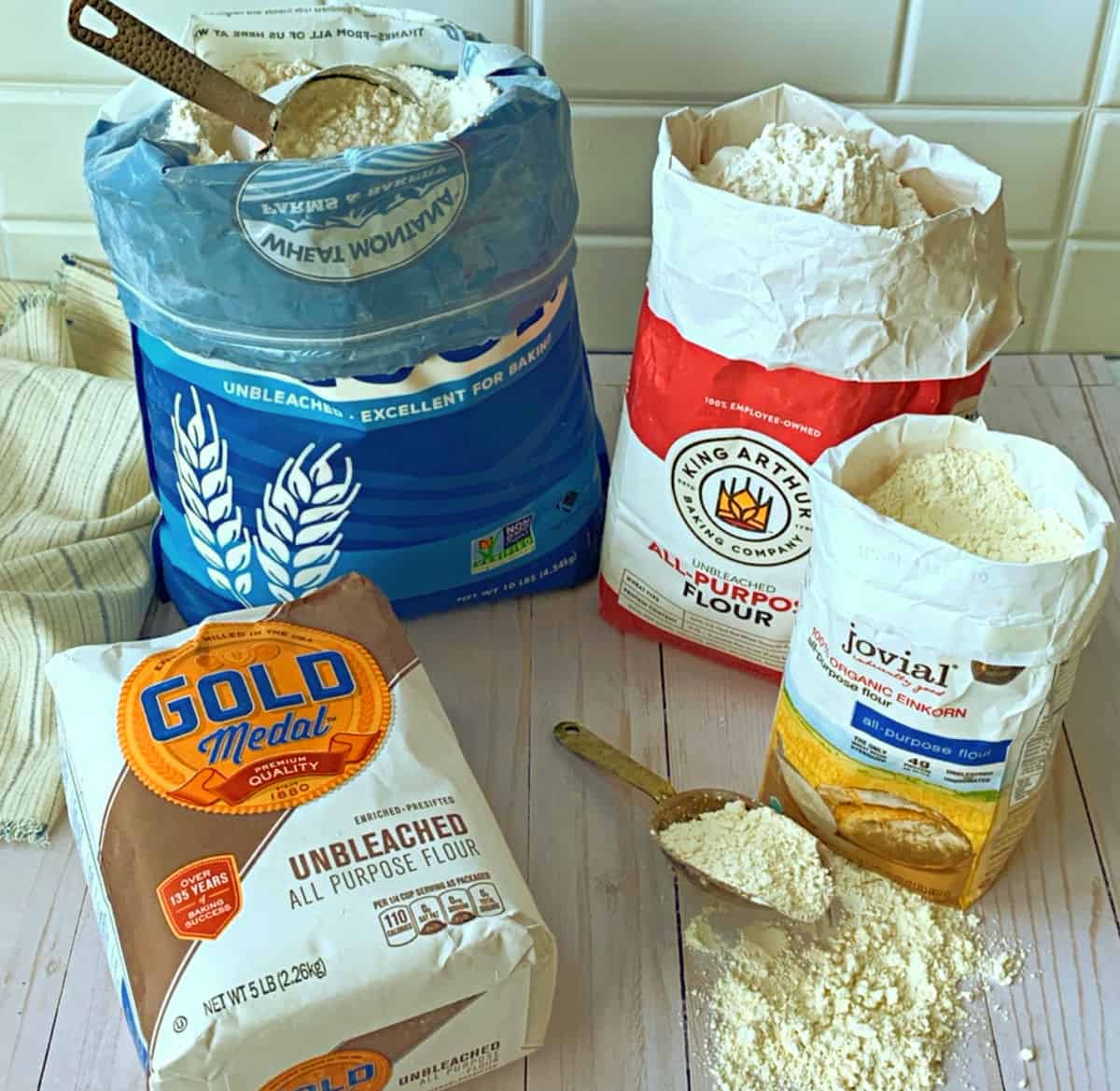
One of the biggest strengths of all purpose flour is flexibility. It works beautifully in cookies, muffins, traybakes, pancakes, pie crusts, and quick breads. It is also useful for coating foods before frying or thickening soups, sauces, and gravies. That wide range of uses explains why it is found in so many popular recipes.
Because it sits between soft cake flour and stronger bread flour, it gives a balanced texture in many bakes. You get enough structure to hold shape, but not so much that everything turns tough or chewy. For everyday cooking, that balance makes it one of the most convenient flour choices available.
All Purpose Flour vs Other Flour Types
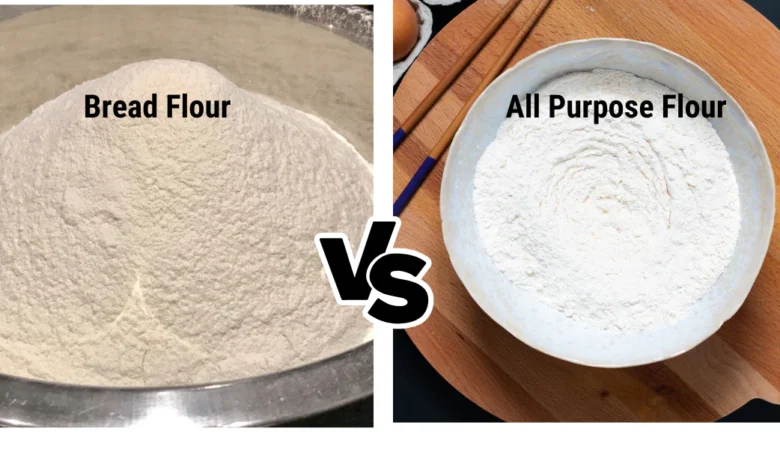
When compared with bread flour, all purpose flour usually contains less protein. Bread flour creates stronger gluten, which helps dough stretch and trap gas during rising. This is why bread flour often gives taller loaves and chewier texture. All purpose flour can still make bread, but the crumb may feel softer and lighter.
Compared with self-raising flour, the main difference is that self-raising flour already includes raising agents such as baking powder. Cake flour is softer and finer, making it ideal for delicate sponges. Strong white flour is preferred for artisan loaves and pizza dough. Choosing the right flour depends on the final texture you want.
Best Substitutes for All Purpose Flour
If you do not have it in the cupboard, plain flour is the easiest substitute for UK bakers. It is widely available, affordable, and performs similarly in most recipes. This makes it the best option when following American baking guides that ask for all purpose flour but offer no local alternatives.
Other substitutes depend on your recipe. Bread flour can be useful for pizza bases and yeasted dough, while cake flour is better for extra-soft sponge cakes. Gluten-free flour blends are ideal for those avoiding wheat. Always think about whether you need chewiness, lightness, or structure before making a swap.
Baking Tips for Better Results
Measuring flour correctly is one of the simplest ways to improve baking. Scooping directly into a cup can pack too much flour into the measure, leading to dry cakes or heavy muffins. Using kitchen scales gives far better accuracy, while spooning flour lightly into a cup is a helpful second option.
Mixing technique matters as well. Once flour meets liquid, gluten begins to develop. Too much stirring can make cakes dense and biscuits firm. Mix only until ingredients come together, then stop. This small habit can dramatically improve texture and help homemade bakes taste lighter, softer, and more professional.
Is All Purpose Flour Healthy
All purpose flour mainly provides carbohydrates, which supply energy for the body. It also contains some protein, though less fibre than wholemeal flour because the bran is removed during milling. It can still fit into a healthy lifestyle when used in sensible portions alongside balanced meals and nutritious ingredients.
If you would like more fibre, many recipes allow you to replace part of the flour with wholemeal flour. This can improve nutritional value while keeping a pleasant texture. Healthy eating is usually about the full recipe and overall diet rather than one ingredient alone, so balance remains the key idea.
How to Store All Purpose Flour
Good storage keeps flour fresh for longer and protects flavour. Store it in an airtight container in a cool, dry cupboard away from heat and sunlight. Moisture is the main enemy, as it can spoil flour quickly or create clumps that make measuring difficult during baking preparation.
Always check flour before use if it has been stored for a long time. A sour smell, unusual colour, or signs of insects mean it should be replaced. Fresh flour produces better taste, better texture, and more dependable baking results, especially when you are preparing food for guests or special occasions.
Common Mistakes to Avoid
One common mistake is assuming every flour behaves the same way. Using bread flour in a delicate sponge or self-raising flour in pastry can change texture and rise. Reading the recipe carefully and understanding the purpose of the flour helps prevent disappointing results and unnecessary frustration in the kitchen.
Another mistake is storing flour in its paper bag after opening. Bags are fine for short-term use, but sealed containers protect flour much better from moisture and pests. It is also wise to label containers with purchase dates so you can rotate stock and always bake with the freshest supply available.
Conclusion
So, what is all purpose flour? It is a medium-protein wheat flour made for general baking and cooking. Its balanced nature makes it suitable for everything from pancakes and cookies to sauces and simple breads. That versatility is exactly why it remains one of the most popular flour choices worldwide.
For UK readers, plain flour is usually the closest and easiest substitute. Once you understand the small differences between flour types, recipes become easier to follow and results become more consistent. Keep the right flour in your cupboard, use good measuring habits, and your baking confidence will continue to grow.
FAQs
Is all purpose flour the same as plain flour?
In most everyday recipes, yes. Plain flour is the nearest UK equivalent and works very well for cakes, biscuits, sauces, and pancakes.
Can I use all purpose flour for bread?
Yes, you can make bread with it. The loaf may be softer and slightly less chewy than one made with bread flour.
What is all purpose flour called in the UK?
It is most commonly compared to plain flour in the UK, although brands may vary slightly in protein content.
Can I use all purpose flour for cakes?
Yes, it works well for many cakes and traybakes, especially everyday recipes that do not require extra-light sponge texture.
How long does flour last?
When stored in a sealed container in a cool, dry place, flour can last for many months while staying fresh and usable.
You may also read: How Long Second Class Post Takes