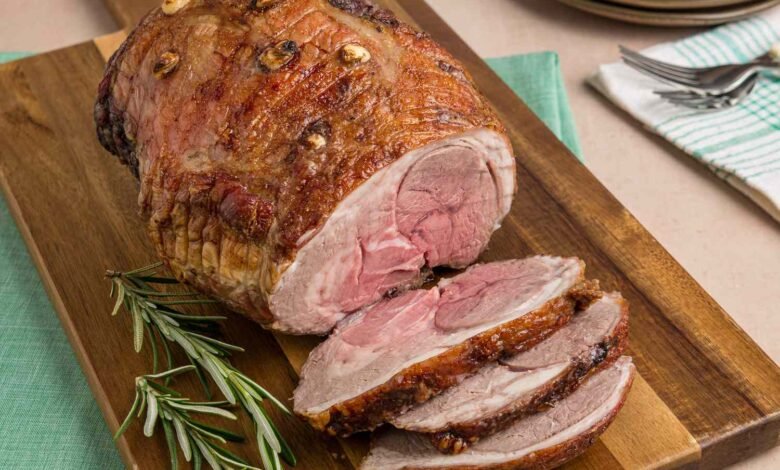
A beautifully cooked lamb roast always brings warmth and excitement to the table, whether you are planning a Sunday lunch, Easter feast, Christmas meal, or a family gathering. This boneless leg of lamb recipe is ideal because it delivers rich flavour, tender texture, and an impressive centrepiece without making the cooking process feel difficult or stressful for home cooks.


Unlike some traditional roasts, a boneless cut is easier to handle, simpler to season, and far more convenient to carve once cooked. You do not need to work around the bone, which means cleaner slices and easier serving. That convenience is one of the biggest reasons this boneless leg of lamb recipe remains a favourite in many UK kitchens.
Ingredients That Create Incredible Flavour
The best roast dinners often begin with a handful of quality ingredients rather than a long shopping list. For this boneless leg of lamb recipe, all you really need is lamb, fresh garlic, rosemary, olive oil, salt, and black pepper. These classic ingredients work together to enhance the natural richness of the meat without overpowering it.
If you would like to build even more flavour, you can add Dijon mustard, lemon zest, thyme, or a touch of honey. Mustard creates a gentle tang, while lemon brightens the dish and herbs add fragrance. Even small additions can lift the roast from delicious to unforgettable, making the meal feel extra special.
How to Prepare the Lamb Before Cooking
Preparation is one of the most important parts of roasting meat well. Remove the lamb from the fridge around thirty to forty minutes before cooking so it can lose some of its chill. This helps the meat cook more evenly, reducing the risk of an overdone outer layer and an undercooked centre.
Pat the lamb dry with kitchen paper, then rub it with olive oil. Mix chopped garlic, rosemary, salt, and pepper together before massaging the seasoning all over the joint. If the meat is loose or uneven in shape, tie it with kitchen string. A neatly shaped roast cooks more consistently and looks better when carved.
How to Cook a Boneless Leg of Lamb Recipe in the Oven
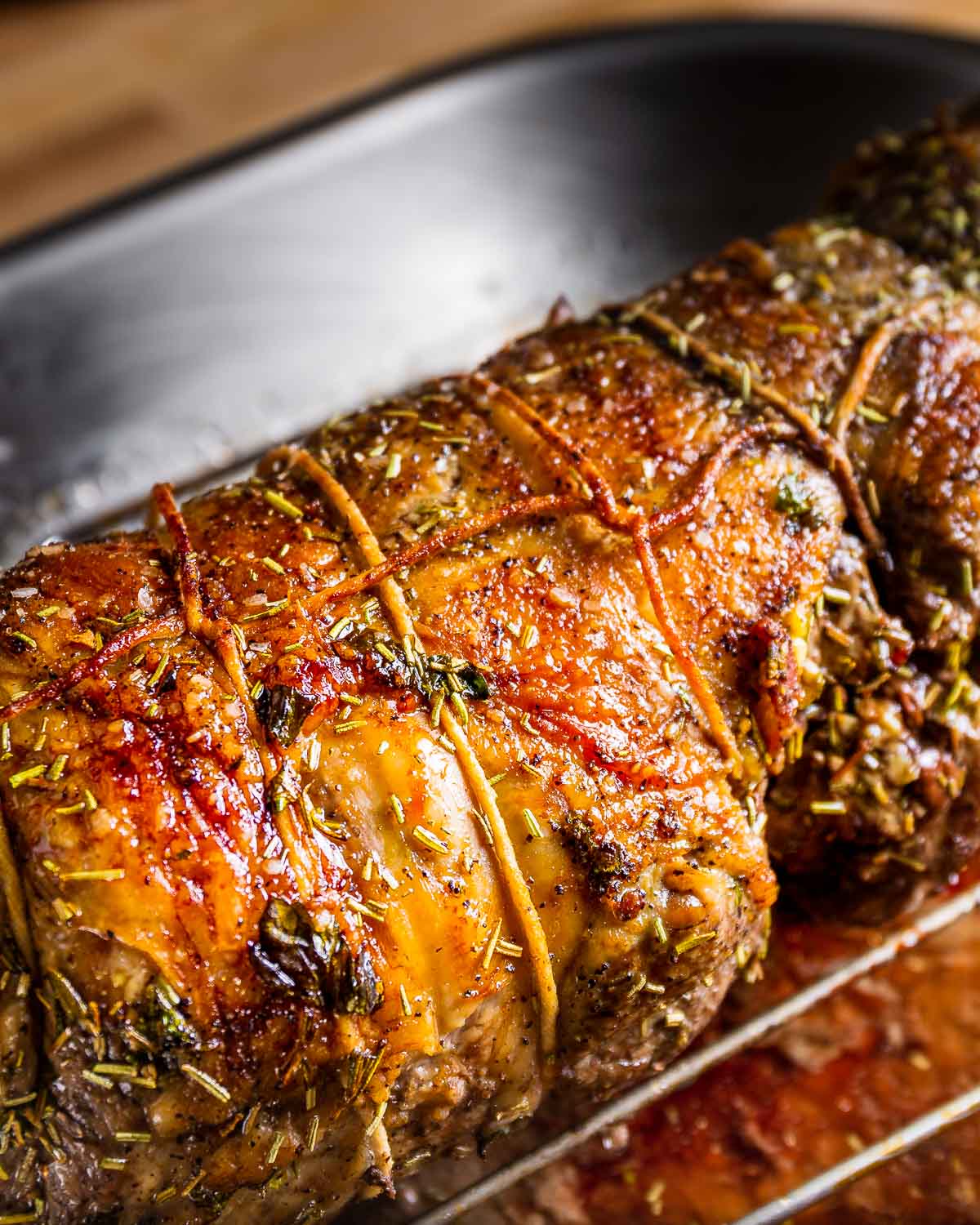
Preheat your oven to 200°C or 180°C fan. Place the seasoned lamb into a roasting tray and cook it uncovered so the outside can develop a golden crust. The high heat at the beginning encourages browning, which adds both flavour and texture while helping to seal in the juices.
After the initial roasting stage, you may reduce the heat slightly if needed and continue cooking until the lamb reaches your preferred doneness. Using a meat thermometer is the easiest route to success. It removes guesswork and helps ensure your boneless leg of lamb recipe comes out tender, juicy, and cooked exactly how you like it.
Cooking Times and Temperature Tips
Cooking time depends on the weight of the lamb and whether you enjoy it pink, medium, or more well done. As a general guide, medium-rare often takes around twenty minutes per pound, while medium may need a little longer. Always check the thickest part of the joint for accuracy.
A thermometer is worth using because it gives reliable results every time. Lamb also continues to cook slightly once removed from the oven, a process known as carry-over cooking. Taking the roast out at the right moment can be the difference between perfectly juicy meat and something slightly overdone.
Why Resting the Lamb Is Essential
Many people focus on seasoning and cooking time but forget the value of resting. Once the lamb leaves the oven, cover it loosely with foil and let it rest for fifteen to twenty minutes. During this time, the juices redistribute through the meat instead of running straight onto the chopping board.
Resting also makes carving easier because the meat firms up slightly while staying tender. Slices look cleaner and hold their shape better on the plate. If you skip this step, you may lose moisture and flavour, so resting is a key part of every successful boneless leg of lamb recipe.
Best Side Dishes to Serve with Roast Lamb
Roast potatoes are the natural companion to lamb and remain a favourite across the UK. Their crispy edges and fluffy centres pair wonderfully with juicy slices of meat. Seasonal vegetables such as carrots, parsnips, peas, and green beans add freshness, colour, and balance to the richness of the roast.
For sauces, mint sauce is the traditional choice and offers a refreshing contrast to lamb’s deep flavour. Rich gravy is perfect for comfort food lovers, while redcurrant jelly adds a subtle sweetness. If you prefer a lighter meal, serve the lamb with a crisp salad and lemon dressing.
Common Mistakes to Avoid When Roasting Lamb
One common mistake is cooking the lamb straight from the fridge. Cold meat placed directly into a hot oven may cook unevenly, leaving the centre less done than the outside. Giving the joint time to warm slightly beforehand helps create a better result and a more even roast throughout.
Another frequent issue is under-seasoning or carving too soon. Lamb benefits from generous seasoning, especially with herbs and garlic. Cutting it immediately after roasting causes juices to escape quickly. Taking time with preparation, seasoning, and resting can dramatically improve the final quality of your boneless leg of lamb recipe.
How to Store and Reheat Leftovers
Leftover lamb can be just as enjoyable as the main meal if stored properly. Allow the meat to cool, then place it in an airtight container and refrigerate it for up to three days. If you want to keep it longer, freeze slices in sealed bags or containers for future meals.
When reheating, do so gently with a little stock or gravy to stop the meat from drying out. Leftovers are excellent in sandwiches, wraps, curries, shepherd’s pie, or warm salads. A single roast can provide several easy meals, making this recipe both delicious and practical.
Conclusion
This boneless leg of lamb recipe is proof that a memorable roast dinner does not need to be complicated. With simple ingredients, careful preparation, and the right cooking method, you can create tender lamb packed with flavour and worthy of any celebration or weekend feast.
Whether you are cooking for guests or treating your family to something special, this roast is always a rewarding choice. Once you master the timing and resting process, you will have a reliable dish to return to whenever you want comfort, elegance, and outstanding flavour on the table.
FAQs
How long does a boneless leg of lamb take to cook?
Cooking time depends on weight and preferred doneness, but a common guide is around twenty minutes per pound for medium-rare, plus resting time.
Should I cover lamb with foil while roasting?
Roast uncovered for browning, then cover loosely with foil while resting. This helps keep the lamb juicy without losing colour.
What temperature is best for roasting lamb?
Many home cooks use 200°C or 180°C fan to begin, adjusting slightly if needed during roasting.
Can I season the lamb the night before?
Yes, seasoning ahead of time allows flavours such as garlic and rosemary to penetrate the meat more deeply.
What can I do with leftover roast lamb?
Use leftovers in sandwiches, wraps, curries, salads, pies, or pasta dishes for quick and tasty meals.
You may also read: Best Live Streaming Options for UK Viewers