Vertical Roller Mill Why Cementl Vertical Roller Mills Are Replacing Traditional Grinding Systems

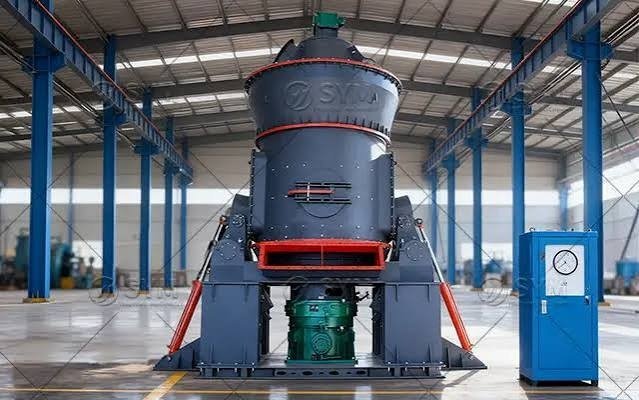
The cement industry is undergoing a major technological shift, and grinding technology sits at the center of this transformation. For decades, traditional ball-based systems dominated industrial grinding processes, but rising energy costs, stricter environmental regulations, and the demand for higher efficiency have changed priorities. Today, the Vertical Roller Mill is increasingly becoming the preferred solution for modern production facilities.


Across many modern cement grinding plant setups, manufacturers are replacing older grinding systems with advanced vertical technology to improve productivity and reduce operational costs. Companies like Cementl are playing a key role in this transition by delivering high-efficiency grinding solutions designed for long-term industrial performance. The growing adoption of the Vertical Roller Mill is not just a trend; it reflects a fundamental shift in how cement is produced.
Understanding the Vertical Roller Mill in Modern Cement Production
A Vertical Roller Mill is a high-efficiency grinding system that uses compressive force to crush and grind raw materials between rollers and a rotating grinding table. Unlike traditional systems that rely on impact and steel balls, this technology focuses on controlled pressure grinding, which significantly reduces energy consumption.
In a modern cement grinding plant, the Vertical Roller Mill has become an essential component due to its ability to handle raw meal, clinker, and slag with high efficiency. Cementl has developed advanced designs that optimize grinding performance while maintaining stable operation under varying material conditions.
One of the key advantages of the Vertical Roller Mill is its ability to integrate grinding, drying, and classification in a single unit, which simplifies the overall production process in a cement grinding plant and improves system stability.
Why Traditional Grinding Systems Are Becoming Less Competitive
Traditional grinding systems, especially older ball-based technologies, require significantly more energy to achieve the same level of fineness. They also generate higher heat, require more maintenance, and often struggle with inconsistent particle size distribution.
In contrast, a Vertical Roller Mill operates more efficiently by applying direct pressure rather than impact force. This reduces energy waste and improves grinding consistency across the entire cement grinding plant.
Cementl has observed that many industrial operators are transitioning away from conventional systems because long-term operational costs have become a critical concern. A modern Vertical Roller Mill not only reduces electricity consumption but also minimizes wear and tear on equipment, which lowers maintenance expenses over time.
As environmental regulations become stricter, older grinding systems are also struggling to meet emission and energy-efficiency standards, making modern alternatives more attractive.
Energy Efficiency and Operational Savings
One of the strongest reasons why the Vertical Roller Mill is replacing traditional systems is its superior energy efficiency. In many cement grinding plant configurations, energy consumption can be reduced significantly compared to older technologies.
This efficiency comes from the grinding mechanism itself, which requires less mechanical force and produces less wasted energy. Additionally, the Vertical Roller Mill allows better control over material flow and temperature, improving overall process stability.
Cementl focuses heavily on optimizing energy performance in its equipment designs. Their modern Vertical Roller Mill systems are engineered to reduce power consumption while maintaining high throughput, making them ideal for large-scale industrial operations.
Over time, these energy savings translate into significant cost reductions, which is a key reason why more manufacturers are upgrading their cement grinding plant infrastructure.
Integration Benefits in Modern Cement Grinding Plants
Another major advantage of the Vertical Roller Mill is its ability to integrate seamlessly into modern cement grinding plant layouts. Unlike older systems that require multiple separate units for grinding, drying, and classification, this technology combines several processes into a single compact system.
This integration reduces equipment footprint, simplifies plant design, and improves operational efficiency. It also allows for better process control, as fewer transfer points mean fewer chances for material loss or inconsistency.
Cementl has optimized its Vertical Roller Mill systems specifically for modern cement grinding plant requirements, ensuring that manufacturers can achieve higher productivity with simpler plant configurations.
The integrated design also reduces installation time and construction costs, making it a more attractive option for new projects and plant upgrades.
Maintenance Advantages and System Reliability
Maintenance is another critical factor driving the adoption of the Vertical Roller Mill. Traditional grinding systems often require frequent downtime for media replacement, liner maintenance, and system cleaning.
In contrast, modern vertical systems are designed for easier maintenance access and longer service intervals. This reduces production interruptions and improves overall plant availability.
Within a cement grinding plant, reduced downtime directly translates into higher output and better profitability. Cementl has focused on improving component durability and system reliability in its Vertical Roller Mill designs to support continuous industrial operation.
Predictive maintenance systems further enhance reliability by allowing operators to monitor performance in real time and address issues before they escalate.
Environmental Performance and Sustainability
Sustainability has become a major priority for the global cement industry, and the Vertical Roller Mill plays a key role in reducing environmental impact. Lower energy consumption means reduced carbon emissions, which is essential for meeting global climate targets.
Modern cement grinding plant systems are increasingly required to comply with strict environmental standards, and older technologies often struggle to meet these expectations. The Vertical Roller Mill helps manufacturers achieve compliance while maintaining high production efficiency.
Cementl continues to develop environmentally efficient grinding solutions that support sustainable industrial development. Their systems are designed to minimize dust emissions, reduce energy waste, and improve overall resource utilization.
As sustainability becomes a core requirement in industrial manufacturing, the adoption of cleaner technologies will continue to accelerate.
Conclusion
The shift toward the Vertical Roller Mill represents a major evolution in modern cement manufacturing. Its energy efficiency, compact design, operational reliability, and environmental benefits make it a superior alternative to traditional grinding systems.
In today’s competitive industrial environment, upgrading a cement grinding plant with advanced technology is no longer optional but necessary for long-term success. Cementl is helping drive this transformation by providing innovative Vertical Roller Mill solutions designed for efficiency, scalability, and sustainability.
As more manufacturers recognize the long-term benefits, the adoption of Vertical Roller Mill technology will continue to grow, reshaping how the global cement industry operates and setting new standards for performance and productivity.