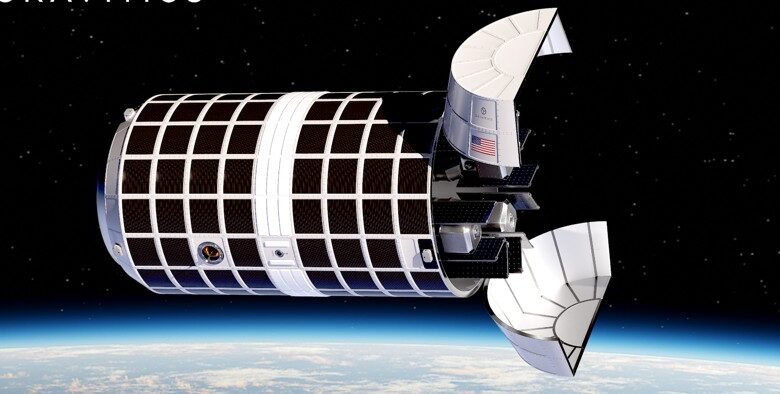
The space force orbital warship carrier represents a new frontier in modern defence thinking, where space is no longer just a domain for communication and observation, but also for strategic readiness. This emerging concept describes a large orbital platform designed to store and deploy multiple satellites rapidly, acting like a naval aircraft carrier positioned in Earth’s orbit. It reflects a shift towards continuous space presence and instant operational response capabilities.


In simple terms, the space force orbital warship carrier is intended to function as a pre-positioned space asset that eliminates delays associated with Earth-based rocket launches. As global reliance on satellite infrastructure grows, the concept aims to ensure that replacements or new systems can be deployed instantly from orbit. This marks a significant evolution in how military planners view resilience, speed, and control in space operations.
Origins and Development of Orbital Carrier Strategy
The development of the space force orbital warship carrier concept is closely linked to the United States Space Force’s long-term objective of maintaining dominance in space. As satellite dependency increases across communication, navigation, and surveillance systems, the need for rapid-response infrastructure has become more urgent. This idea emerged from strategic discussions about how to reduce vulnerability in orbit.
Early funding initiatives and partnerships with aerospace innovators have played a key role in advancing the space force orbital warship carrier programme. Organisations such as SpaceWERX and private companies like Gravitics have contributed research and prototype development efforts. Together, they are exploring how modular spacecraft systems can be pre-positioned in orbit to support national security objectives and strengthen space-based resilience.
How the Space Force Orbital Warship Carrier Works in Orbit
The space force orbital warship carrier operates as a centralised orbital hub designed to store, maintain, and deploy satellites on demand. Instead of launching individual satellites from Earth, this system allows multiple spacecraft to be carried into orbit and released when required. This significantly reduces deployment time and increases operational flexibility in critical situations.
Once operational, the space force orbital warship carrier could function as a mobile deployment platform capable of responding to satellite disruptions or threats. If a satellite is damaged or jammed, a replacement can be released directly from orbit within minutes or hours. This approach transforms space logistics by shifting from reactive ground launches to proactive orbital readiness systems.
Military Applications and Geopolitical Importance

The space force orbital warship carrier has major implications for modern military strategy, particularly in the areas of communication security and surveillance continuity. It is designed to ensure that essential satellite networks remain functional even during conflict or hostile interference. This makes it a vital asset in maintaining operational stability in space-based systems.
From a geopolitical perspective, the space force orbital warship carrier reflects growing competition among global powers in space technology. As nations such as China and Russia develop advanced orbital and anti-satellite capabilities, the United States is investing in systems that ensure rapid recovery and sustained dominance. This creates a new strategic balance where space infrastructure becomes as important as traditional military assets.
Technology, Engineering and Operational Challenges
At the heart of the space force orbital warship carrier is advanced aerospace engineering, including autonomous docking systems, robotic deployment mechanisms, and modular satellite storage units. These technologies allow the platform to operate without constant human intervention while maintaining precision in complex orbital environments. The integration of artificial intelligence is also expected to enhance decision-making and system efficiency.
However, the space force orbital warship carrier also faces significant challenges. Orbital congestion, space debris risks, and high development costs remain major concerns. Ensuring the safety and reliability of multiple deployed satellites in a shared orbital structure requires extremely advanced control systems. Additionally, international debates about the militarisation of space add further complexity to its long-term development.
Future Outlook of the Space Force Orbital Warship Carrier
Looking ahead, the space force orbital warship carrier could redefine how nations manage and protect satellite infrastructure. Future versions may include fully autonomous repair systems, AI-driven fleet management, and expanded payload capacities. This would allow continuous upgrades and replacements without relying on Earth-based launches, making space operations far more efficient and responsive.
In the long term, the space force orbital warship carrier may become part of a broader orbital defence ecosystem. This could include interconnected satellite networks, automated defence platforms, and permanent space logistics hubs. As technology evolves, this concept may shift from experimental development to a standard component of national security strategy in Earth’s orbit.
You may also read: Family Life and Private Lifestyle of Lora Chaffins