Harrogate’s Rental Market: What Landlords Need to Know About the Spa Town Premium

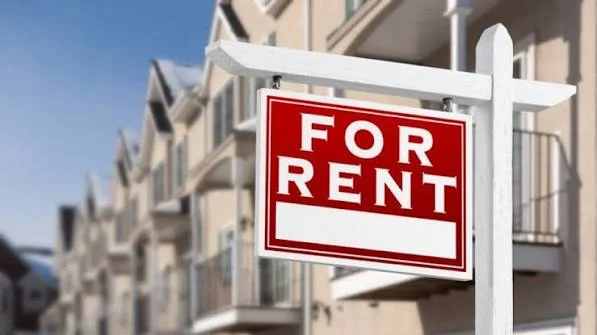
Harrogate’s reputation as a spa town, its established neighbourhoods and access to employment and leisure facilities make it an important rental market in North Yorkshire. For landlords, these features can support tenant demand, but they do not guarantee strong returns. Understanding local property types, tenant expectations, operating costs and regulatory responsibilities is essential before investing or letting a property.


What Does the Spa Town Premium Mean for Landlords?
The term spa town premium describes the additional appeal that a location may receive because of its character, amenities, reputation and lifestyle offer. In Harrogate, factors such as the town centre, Valley Gardens, independent businesses, established residential streets and access to the Yorkshire countryside can influence how tenants assess a property.
However, the premium is not consistent across every property or neighbourhood. A well-maintained flat near the town centre may attract a different tenant group from a larger family home in a suburban area. Rental value depends on the property’s size, condition, furnishings, parking, outdoor space and proximity to transport and amenities.
Landlords should avoid setting rent solely by applying a premium to the postcode. Compare similar properties currently available and recently let, taking account of the features that tenants are likely to value.
Choosing Between Harrogate’s Central and Suburban Properties
Harrogate’s town centre may appeal to professionals, older tenants and people who value convenient access to shops, restaurants and leisure facilities. Apartments and smaller period properties can suit tenants who prioritise location and manageable living arrangements.
Areas further from the centre may attract households looking for additional bedrooms, gardens, parking and quieter surroundings. Properties in neighbourhoods such as Starbeck, Jennyfields, Bilton and Oatlands offer different housing types and access arrangements, so landlords should assess each property individually.
When evaluating a potential investment, consider:
- The likely tenant profile.
- Walking distance to shops and public transport.
- Availability of parking.
- Garden or outdoor space.
- Storage and home-working facilities.
- Property condition and maintenance requirements.
- Demand for furnished or unfurnished accommodation.
A central flat may benefit from its location, while a suburban house may offer a broader layout and longer-term suitability for families. The best option depends on the purchase price, expected rent and ongoing costs.
Understand Tenant Expectations in Harrogate
Tenants may be willing to pay more for specific features, but landlords need to understand which improvements are genuinely relevant to their target market.
Professionals may value reliable broadband, a practical home-working space and access to transport. Families may prioritise gardens, parking, school access and storage. Tenants relocating to Harrogate may also want clear information about local facilities and commuting options.
Presentation matters, but landlords should distinguish between essential improvements and cosmetic upgrades. A safe, warm and well-maintained property should take priority over expensive features that may not improve rental demand.
Before refurbishing, assess the likely return on each improvement. Energy efficiency, reliable heating, good insulation and functional kitchens and bathrooms may be more valuable than decorative changes with limited practical benefit.
Calculate Rental Returns Beyond the Advertised Rent
A property’s gross rental income does not represent the landlord’s final return. Harrogate landlords should calculate the full operating cost before committing to a purchase or setting a rental strategy.
Potential expenses include:
- Mortgage interest and finance costs.
- Letting and property management fees.
- Buildings and landlord insurance.
- Repairs and routine maintenance.
- Compliance checks and certification.
- Void periods between tenancies.
- Cleaning and redecoration.
- Service charges for flats.
- Ground rent where applicable.
- Income tax and other relevant liabilities.
Landlords should also create a contingency fund for unexpected repairs. Older properties may have attractive period features but could require more attention to roofing, windows, damp, plumbing or heating systems.
A higher monthly rent does not automatically create a stronger investment if maintenance costs, financing arrangements or void periods are also higher. Use realistic assumptions when calculating the expected net return.
Regulatory Responsibilities Landlords Must Prepare For
Landlords in England must comply with legal requirements covering property safety, tenancy management and tenant rights. The Renters’ Rights Act 2025 introduced significant changes from 1 May 2026, including the abolition of Section 21 no-fault evictions and changes to the tenancy framework.
Landlords should obtain current professional guidance on how the reforms affect their properties and tenancy arrangements. They should not rely on older templates or procedures without checking whether they remain appropriate.
Other responsibilities may include:
- Gas safety checks where gas appliances are present.
- Electrical safety inspections.
- Appropriate smoke and carbon monoxide alarms.
- Deposit protection requirements.
- Right to Rent checks.
- Energy performance requirements.
- Property licensing where applicable.
- Keeping the property safe and free from serious hazards.
The exact obligations depend on the property, tenancy type and applicable legislation. Landlords should maintain an organised compliance record and use qualified professionals where necessary.
Decide Whether to Self-Manage or Use a Letting Agent
Self-management gives landlords direct control over tenant communication, maintenance arrangements and day-to-day decisions. It can also require significant time, particularly when dealing with inspections, repairs, arrears or urgent problems.
Professional management may be useful for landlords who live outside Harrogate, have several properties or prefer not to handle daily administration. The cost should be compared with the services provided and the landlord’s own availability.
Before appointing a provider, ask about:
- Tenant referencing and selection.
- Marketing and property viewings.
- Rent collection.
- Maintenance coordination.
- Inspection schedules.
- Compliance support.
- Emergency response arrangements.
- End-of-tenancy procedures.
Local knowledge can help landlords understand how property type, neighbourhood and tenant expectations influence letting decisions. Harrogate estate agents may also provide insight into local rental demand, property presentation and the practical requirements of managing a tenancy.
A Practical Checklist for Harrogate Landlords
Before letting a property, landlords should:
- Identify the likely tenant group for the property.
- Research comparable rental properties.
- Calculate expected income and all operating costs.
- Check safety, licensing and legal requirements.
- Review the property’s energy efficiency.
- Budget for repairs and potential void periods.
- Decide whether to self-manage or appoint a professional.
- Prepare accurate property details and photographs.
- Use current tenancy documentation.
- Review the investment regularly as costs and regulations change.
Harrogate’s location and reputation can contribute to rental appeal, but landlords still need a property-specific strategy. A realistic financial assessment, good maintenance and consistent legal compliance are more reliable foundations than assumptions about a location premium.
Frequently Asked Questions
What is the spa town premium in Harrogate’s rental market?
The spa town premium refers to the additional appeal associated with Harrogate’s reputation, amenities, character and lifestyle. It may influence tenant interest in particular areas and property types, but it does not guarantee higher rental returns. Landlords should assess comparable properties, condition, facilities and tenant demand before deciding how much rent a property can realistically achieve.
Are central Harrogate properties more attractive to tenants?
Central properties may appeal to tenants who value access to shops, restaurants, leisure facilities and transport. However, demand varies according to the property type and tenant requirements. A family may prefer a suburban house with a garden and parking, while a professional may prioritise a central flat. Landlords should match the property to a clearly defined tenant group.
What costs should Harrogate landlords include in their calculations?
Landlords should account for mortgage costs, management fees, insurance, maintenance, compliance checks, service charges, void periods and taxation. Older properties may also require additional spending on heating, windows, roofing or plumbing. Calculating the expected net income rather than focusing only on gross rent provides a more realistic view of the investment’s financial performance.
Does the Renters’ Rights Act affect Harrogate landlords?
Yes. The Renters’ Rights Act 2025 introduced major changes to the private rented sector in England, including the abolition of Section 21 no-fault evictions from 1 May 2026. The reforms also affect tenancy arrangements and landlord responsibilities. Landlords should obtain current legal or professional advice to understand the rules applicable to their property and tenancy circumstances.
Should I use a professional letting service?
A professional letting service may benefit landlords who lack time, live outside the area or want support with tenant management and compliance. The suitability depends on the services offered, fees and the landlord’s preferred level of involvement. Compare management agreements carefully, including maintenance arrangements, inspection procedures, communication standards and any additional charges.
