Best Museums in New York: An Insider Guide to World-Class Cultural Institutions

New York City remains the undisputed capital of the global art market, harbouring a concentration of artistic wealth that rivals any historic European metropolis. For the discerning traveller, navigating this vast landscape requires more than just a map; it demands an understanding of how these institutions shape human heritage. From Gilded Age mansions turned private galleries to massive municipal complexes housing millions of artifacts, the city offers an unparalleled spectrum of human creativity.


Understanding which venues justify your precious hours is the key to mastering Manhattan’s cultural topography. Whether your interests lean toward ancient Near Eastern antiquities, mid-century abstract expressionism, or cutting-edge architectural design, selecting the best museums in New York will define the memory of your journey. The following strategic overview dissects the premier institutions that continue to set global standards for curation and scholarship.
The Metropolitan Museum of Art and Its Universal Scope
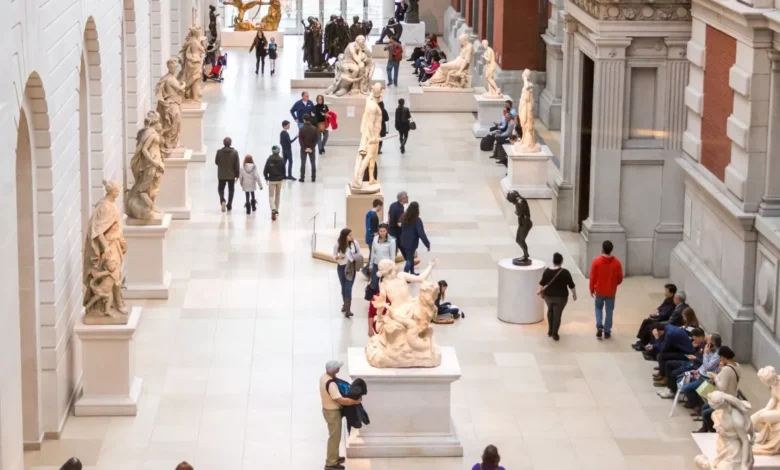
The Metropolitan Museum of Art stands as a monumental storehouse of human civilisation, anchoring Fifth Avenue’s famous Museum Mile. Spanning over five thousand years of global creativity, its collection encompasses everything from pristine Egyptian temples reconstructed indoors to priceless European Old Masters. Walking through its cavernous halls offers a comprehensive visual history of global empire, religious devotion, and aesthetic evolution.
Visiting this institution requires a structured approach, given that exploring every gallery in a single afternoon is physically impossible. Serious art enthusiasts often focus their attention on the refurbished European Painting galleries or the sprawling American Wing, which captures the developmental narrative of a young nation. It consistently retains its reputation among the best museums in New York precisely because its curatorial standards remain completely peerless.
Modernist Masters at the Museum of Modern Art
Midtown Manhattan hosts the Museum of Modern Art, an institution that effectively defined the canon of twentieth-century visual culture. Following extensive expansions, the gallery space allows visitors to experience iconic masterpieces alongside radical contemporary works. Wall spaces showcase transformative pieces by Pablo Picasso, Vincent van Gogh, and Jackson Pollock in an atmosphere engineered for quiet contemplation.
The architectural layout encourages a fluid exploration of modern movements, tracing the trajectory from Impressionism through Surrealism to Pop Art. Beyond static canvases, the institution excels in preserving industrial design, experimental film, and media installations. It secures its position among the best museums in New York by constantly challenging established artistic narratives and presenting provocative temporary exhibitions.
Architectural Genius and Modern Art at the Guggenheim

The Solomon R. Guggenheim Museum presents an aesthetic experience where the building itself rivals the significance of the collection held inside. Designed by Frank Lloyd Wright, the continuous spiralling ramp offers a radical departure from traditional rectangular gallery layouts. Visitors ascend to the top floor via elevator before taking a leisurely stroll downward along a gently sloping concrete ribbon.
This spatial arrangement creates unique sightlines across the open central atrium, allowing viewers to observe artworks from unexpected distances and angles. The core collection features exceptional works of early modernism, non-objective art, and avant-garde sculpture. Its inclusion among the best museums in New York is self-evident to anyone who appreciates the seamless synthesis of revolutionary architecture and curatorial vision.
Gilded Age Elegance Inside The Frick Collection
Offering a stark contrast to sprawling civic institutions, The Frick Collection provides an extraordinarily intimate viewing environment. Housed in the former Fifth Avenue mansion of industrialist Henry Clay Frick, the gallery preserves masterpieces within domestic settings resembling late nineteenth-century luxury. Fine furniture, bronze sculptures, and rare porcelain complement legendary paintings by Bellini, Holbein, and Titian.
The absence of intrusive informational placards on walls encourages direct, unmediated engagement with each individual piece of art. Light streams through glass ceilings into tranquil courtyard gardens, creating an atmosphere of aristocratic serene elegance. For connoisseurs seeking refined atmosphere alongside historic masterpieces, it stands firm as one of the best museums in New York for focused aesthetic reflection.
Future Outlook and Lasting Global Impact
The premier cultural spaces of New York are currently undergoing significant shifts to reflect broader global narratives and modern technological expectations. Major capital campaigns across the city are expanding gallery footprints while integrating digital archiving tools to reach global audiences remotely. Furthermore, acquisitions are increasingly targeting historically underrepresented artists, broadening the historical record without sacrificing curatorial quality. These evolving institutions demonstrate that maintaining global leadership requires a continuous balance between preserving heritage and bold innovation.
Navigating the immense artistic landscape of Manhattan reveals far more than static displays of human talent; it offers a direct connection to the societal shifts that have shaped our shared history. The enduring dedication to scholarship, preservation, and public engagement ensures that these collections will continue to inspire visitors for generations to come. A thoughtful visit to any of these premier sites confirms that New York’s cultural legacy remains as dynamic and resilient as the city itself.
Frequently Asked Questions
What is the best way to purchase tickets for major Manhattan galleries?
It is highly advisable to book timed-entry tickets online directly through official venue websites well in advance of your visit. Booking early guarantees entry during peak tourist seasons, helps you avoid lengthy ticket queues, and allows institutions to manage indoor crowd density effectively.
How much time should I allocate for a thorough visit to the Metropolitan Museum?
Given the sheer scale of the building, a standard initial visit should last at least three to four hours. This duration allows you to explore two or three major wings comfortably without suffering from visual fatigue. Serious art collectors often spread their exploration across multiple days.
Are photography policies uniform across all top cultural venues?
Still photography for personal, non-commercial use is generally permitted in main collection areas, provided flash equipment, tripods, and selfie sticks are avoided. However, specific loan exhibitions or fragile archival galleries may strictly prohibit photography, so always check signage upon entering individual rooms.
Which venue is best suited for visitors seeking an architectural highlight?
The Solomon R. Guggenheim Museum is the definitive choice for design enthusiasts due to Frank Lloyd Wright’s iconic spiral ramp layout. The structure itself is designated as a UNESCO World Heritage site, offering a dramatic spatial experience unparalleled anywhere else in North America.
You may also read: Tracing Migration Patterns Across International Public Notices