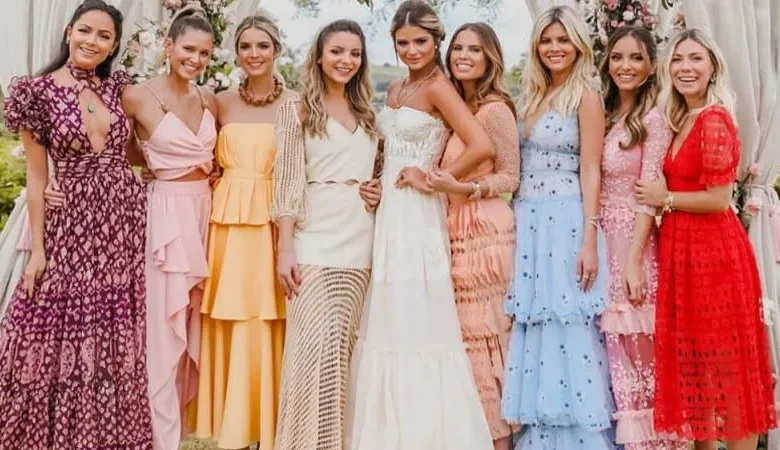
A country wedding presents a different set of clothing decisions from a hotel reception or a formal city ceremony. The setting may include a village church, converted barn, country house or outdoor marquee, sometimes all on the same day. Guests need an outfit that respects the occasion while coping with grass, gravel, uneven floors and unpredictable British weather.
Traditional tailoring works naturally in this setting, but the details require some thought. Fabric, colour and footwear should suit the venue as well as the dress code. A dark business suit can look too corporate, while very casual separates may feel out of place during the ceremony. The aim is to find a comfortable middle ground that remains smart throughout the day.
Choose Tailoring That Suits the Setting
Country weddings provide a natural setting for tailoring with texture and pattern. Collections of Marc Darcy suits include herringbone cloth, Prince of Wales checks and muted shades of blue, grey and brown that work well at barns, country houses and rural venues. These details add character while avoiding the corporate appearance of a plain business suit.
The invitation should guide the level of formality. A three-piece suit is suitable for a traditional ceremony, a formal country house or a wedding where guests are asked to wear morning dress or smart formalwear. For a relaxed barn reception, a two-piece suit or tailored jacket with contrasting trousers may be sufficient. Never assume that a rural venue means casual clothing. The couple may still expect conventional wedding attire.
Consider the time of year before settling on a fabric. Heavier textured cloth can be comfortable during autumn and winter, while a lighter wool blend is usually more practical in late spring or summer. Even warm days can become cool once the reception moves into the evening, so a jacket remains useful after sunset.
Move Beyond Standard Business Colours
Navy and grey remain reliable choices, but their shade and pattern can separate wedding tailoring from workwear. Mid-blue, slate grey and soft navy tend to feel more suited to daytime celebrations than very dark charcoal. A subtle tan, rust or burgundy check can add warmth without making the suit difficult to coordinate.
Brown and green tailoring can also work well at countryside venues. Dark olive, forest green and tobacco brown suit autumn ceremonies particularly well. Lighter stone, blue and soft grey are better suited to spring and summer. Guests should avoid a colour that closely matches the wedding party if this has been communicated in advance.
Black suits can appear severe during a daytime country wedding unless the dress code specifically calls for them. They are more natural at evening receptions or highly formal ceremonies. If black is the only suitable option in your wardrobe, soften it with a pale shirt, a textured tie and accessories in a restrained seasonal colour.
Decide whether to wear a Waistcoat
A waistcoat is practical as well as decorative at a long wedding. It keeps the outfit looking complete when the jacket comes off during dinner or dancing. It can also add warmth during a cool church ceremony without requiring a bulky outer layer.
A matching waistcoat creates the most formal result. A contrasting version can suit a rustic or vintage-inspired wedding, although the colours need to relate clearly to the rest of the suit. For example, a brown waistcoat may complement a blue jacket containing a fine brown check. An unrelated colour can make the outfit look assembled from spare pieces.
The waistcoat should cover the shirt and trouser waistband when you stand or move. If a strip of shirt appears between them, the trousers may be sitting too low or the waistcoat may be too short. Check this before the wedding rather than relying on the jacket to hide the problem.
Pick a shirt for the season and dress Code
A white shirt works with almost every suit and remains appropriate for formal ceremonies. Pale blue is a useful alternative with navy, grey and brown tailoring. Soft pink can work with blue or charcoal, while cream is better reserved for warmer earthy shades.
Patterned shirts require more care when the suit already contains a check. Combining a checked jacket, striped shirt and patterned tie can make the upper half of the outfit appear crowded. If the tailoring has a visible pattern, choose a plain shirt and let the suit provide the detail.
Long sleeves remain the better choice, even for a summer wedding. They sit properly beneath a tailored jacket and allow a small amount of cuff to show at the wrist. Short-sleeved formal shirts rarely work with a suit jacket and may leave the outfit looking unfinished once the jacket is removed.
Select shoes for grass and uneven ground
Footwear is one of the main practical concerns at a country venue. Narrow heels are not an issue for most male guests, but very smooth soles and delicate leather can still struggle on wet grass, gravel or muddy paths. Leather brogues, Derby shoes and sturdy loafers usually provide a sensible balance between appearance and practicality.
Brown shoes work naturally with navy, blue, brown and many grey suits. Dark brown is more versatile than tan because it retains enough formality for the ceremony. Black shoes are best with black, charcoal and darker grey tailoring. Burgundy or oxblood can complement navy and mid-grey without drawing too much attention.
Check the weather forecast and venue information before leaving. If rain is likely, treat leather shoes with a suitable protector and pack a small cloth for removing marks. Guests staying at the venue may also want a spare pair for the evening, especially if parts of the celebration take place outdoors.
Prepare for changing British weather
A country wedding may involve walking between buildings, waiting outside for photographs or spending several hours beneath a marquee. A lightweight raincoat or tailored overcoat is more suitable than a casual waterproof jacket over formalwear. Choose one long enough to cover most of the suit jacket.
For summer ceremonies, breathable shirts and lighter suit fabrics help with comfort. Avoid removing the jacket during the ceremony unless other guests are clearly doing the same. Later in the day, the waistcoat can keep the outfit smart when temperatures rise.
Cold-weather weddings require layers that do not distort the suit. A thin merino vest or close-fitting base layer can sit beneath the shirt without adding obvious bulk. Heavy jumpers are harder to accommodate under a tailored jacket and may affect how the shoulders and sleeves sit.
Keep wedding accessories controlled
Country weddings allow room for textured ties, knitted silk and pocket squares in seasonal colours. A burgundy tie can work with navy or grey, while forest green suits brown and tan tailoring. Muted gold, rust and dark blue are also useful choices for autumn celebrations.
The tie and pocket square should not be identical. They can share a colour, but using different materials or patterns produces a more natural combination. If the suit is strongly checked, a plain tie and white pocket square may be all that is needed.
Lapel pins, tie bars and waistcoat chains should be used sparingly. One decorative detail is usually enough, particularly when the suit already has contrast buttons, patterned cloth or a distinctive lining. Accessories should complete the outfit rather than compete for attention in photographs.
Make final checks before travelling
Try on the full outfit several days before the wedding. Sit down, walk around and fasten each part of the suit. This provides time to deal with a loose button, creased shirt or trousers that need a small adjustment. Put the shoes on as well because trouser length can look different with each style of footwear.
Empty bulky items from the suit pockets. A large wallet, phone or keyring can pull the jacket out of shape. Carry essentials in an inside pocket or leave non-essential items at the accommodation.
A suitable country wedding outfit should look appropriate during the ceremony and remain comfortable through dinner, photographs and the evening reception. When the colour, fabric and footwear are chosen with the venue in mind, traditional tailoring can handle the practical demands of a rural celebration without losing its formal character.