Ubisoft: The Global Gaming Company Behind Some of the World’s Most Recognisable Interactive Worlds

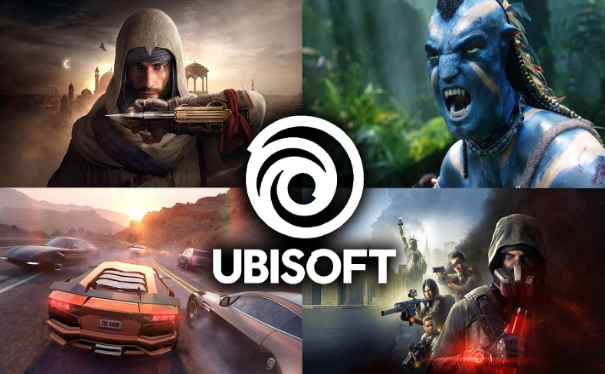
Ubisoft is a French video game company with a major presence in the global entertainment market. Founded in 1986 by the Guillemot brothers, the company began as a family-led business and developed into one of the biggest publishers in the gaming world. Its work covers game development, publishing, live services, digital distribution, esports, mobile gaming and subscription-based access.


The company is best known for creating large, detailed game worlds where players can explore, compete and shape their own experiences. Its strongest franchises include Assassin’s Creed, Rainbow Six, Far Cry, Just Dance, Watch Dogs, The Division, Rayman, Anno, Trackmania, Rabbids, Prince of Persia and Splinter Cell. These brands have helped the publisher reach different types of players, from casual families to competitive shooter fans and story-focused adventure players.
What makes the company important is not only the number of games it owns, but the scale of its creative ambition. It has built a reputation for historical cities, tactical action, open-world systems, character-driven missions and long-term online support. In a market where player expectations change quickly, the company continues to balance familiar brands with new technology, updated services and fresh business models.
Ubisoft History and the Growth of a French Games Giant
The company’s journey began in Brittany, France, where the Guillemot family entered the software and games trade during the rise of home computing. Early experience in distribution gave the founders a practical understanding of how games reached customers and how player demand was changing. This background helped the company move from selling software to producing its own titles.
Rayman became one of the first major creative successes. The colourful platform character gave the company a strong identity during the 1990s and proved that a European studio could create characters with international appeal. Later, Tom Clancy’s Splinter Cell showed a more mature and technically advanced side of the publisher, using stealth gameplay, lighting effects and spy fiction to attract a different audience.
The biggest turning point came with Assassin’s Creed. The first game introduced historical settings, parkour movement and a conflict between Assassins and Templars. Over time, the series expanded into different eras and regions, becoming one of the company’s most valuable properties.
Ubisoft Franchises That Shaped Its Reputation
Assassin’s Creed remains central to the company’s identity. It allows players to experience historical worlds through action, exploration and narrative. The series has visited settings such as Ancient Egypt, Ancient Greece, Renaissance Italy, Viking England and feudal Japan. This mixture of history and fiction gives the franchise a strong position in adventure gaming.
Rainbow Six represents tactical competition. Siege became a long-running success because it rewards teamwork, planning, operator knowledge and map control. Its destructible environments create matches where strategy matters as much as aim. Over the years, the game has developed a strong competitive scene and a detailed cosmetic economy, including r6 marketplace for selected in-game items.
Far Cry is known for open landscapes, strong villains and flexible combat. Players can approach outposts, wildlife encounters and missions in different ways. Just Dance brings music and movement into homes, helping the company reach families and casual players. The Division focuses on co-operative online action, while Anno serves players who enjoy city building and economic strategy.
Ubisoft Game Design and the Open-World Formula
The company’s most recognisable design style is the open-world structure. Many of its games offer large maps filled with missions, upgrades, collectibles, side stories and environmental details. This design gives players freedom to choose their path. One player may follow the main campaign, while another may spend hours exploring, upgrading equipment or completing optional challenges.
This formula works when the world has purpose. In Assassin’s Creed, historical architecture, culture and conflict make exploration meaningful. In Far Cry, unpredictable systems and enemy bases create action. In The Division, atmosphere and co-operative missions support progression. When these elements connect well, the result can feel rich and rewarding.
However, open-world design also carries risk. Repeated objectives, crowded maps and predictable missions can make a game feel too familiar. For this reason, the company’s strongest future titles need sharper mission design, better pacing and worlds that feel alive rather than overloaded.
Ubisoft Technology, Studios and Global Production
Large games require large teams. The company operates through a network of studios across different countries, with teams contributing to art, engineering, animation, writing, sound, quality assurance, online services and production management. This international model helps build vast games, but it also demands strong leadership and clear creative direction.
Technology is one of the company’s major strengths. The publisher has invested in tools that support world creation, animation, online features and player progression. Its games often depend on complex systems running together: weather, crowds, enemy behaviour, vehicles, physics, matchmaking, rewards and downloadable content.
Ubisoft Connect, Store and Subscription Services
Modern gaming is no longer limited to boxed releases. The company now supports a wider ecosystem through its digital services. Connect brings together player accounts, rewards, achievements, friends and cross-platform features. The Store gives players direct access to games, downloadable content, editions, virtual currency and promotions.
Subscription access also forms part of the business. This model lets players explore a library of titles through a recurring payment. For the publisher, it creates another route to reach customers beyond one-time purchases. For players, it can offer value when they want to experience multiple games without buying each one separately.
Ubisoft in Live Service Gaming and Esports
Live service gaming has become a major part of the company’s strategy. Instead of ending support shortly after release, selected games receive new seasons, characters, content, events and balance updates. Rainbow Six Siege is the clearest example. Its long life shows how a game can keep a community active through regular improvement and competitive depth.
This approach can be powerful, but it also creates pressure. Players expect stable servers, fair matchmaking, quick bug fixes, strong anti-cheat systems and transparent communication. A live game is never truly finished. Every update affects trust, and trust decides whether players continue investing time and money.
Esports adds another layer. Competitive titles need balance, spectator appeal and consistent rules. When handled well, esports can strengthen a game’s identity and keep it visible for years. When handled poorly, frustration spreads quickly through online communities.
Ubisoft Business Challenges and Market Pressure
The company operates in a difficult market. Game development costs are high, release schedules are demanding and competition is intense. Players compare every major release with the best titles available across console, PC and mobile. A delay, weak launch or technical failure can damage confidence.
The publisher has also faced criticism over formula repetition, monetisation choices, launch performance and internal workplace issues. These matters are important because reputation affects both players and employees. A strong brand needs creative quality, ethical leadership and respect for the people who make the games.
The company’s future success depends on discipline. It must choose projects carefully, avoid overloading teams, polish games before release and give each franchise a clear reason to exist. Famous names help attract attention, but quality decides whether players stay.
Ubisoft Accessibility, Inclusion and Player Responsibility
Modern publishers are judged by more than graphics and sales. Accessibility, inclusion and safe online spaces have become central to the gaming experience. More players now expect adjustable controls, subtitles, colour options, difficulty choices and features that make games easier to enjoy for different needs.
Online behaviour also matters. Competitive communities can become toxic without proper moderation. Clear rules, enforcement tools and anti-harassment systems help protect players and improve long-term engagement. A company with millions of users carries responsibility for the spaces it creates.
Ubisoft and the Future of Interactive Entertainment
The company remains one of the most important names in gaming because it owns worlds that players recognise instantly. Assassin’s Creed offers history and adventure. Rainbow Six offers tactics and teamwork. Far Cry offers freedom and chaos. Just Dance offers music and family entertainment. Anno offers strategy and planning. Each franchise reaches a different audience, giving the publisher a wide foundation.
The next stage will depend on creativity, consistency and trust. Players want ambitious games, but they also want stable performance, fair systems and meaningful content. The company has the talent, brands and global structure to remain strong, yet the industry will not reward size alone. It will reward focus.
At its best, Ubisoft creates interactive worlds that feel broad, energetic and memorable. Its legacy is built on imagination, technical scale and the belief that games can take players into places they would never otherwise experience. That is why the company continues to matter in the global gaming industry.