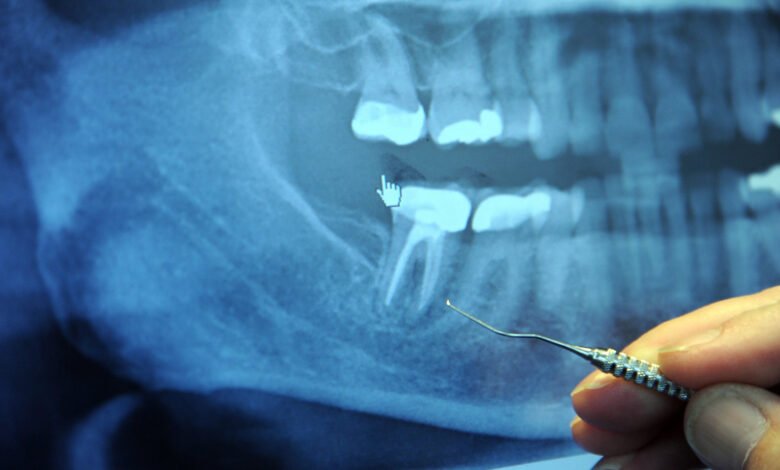
Toothache is one of the most common dental issues that affects people across the UK. Many sufferers reach for over-the-counter painkillers to manage discomfort, and paracetamol is often the first choice. Understanding does paracetamol help toothache is essential for safe and effective pain relief. This article explores how paracetamol works, safe usage, alternatives, and when to seek professional dental care.


While paracetamol is effective for temporary pain relief, it is not a cure for the underlying dental problem. Toothache can stem from various causes, including cavities, infections, or gum disease. Knowing the correct dosage, timing, and limitations of paracetamol ensures you manage pain effectively without risking your health.
What Causes Toothache
Toothache can result from a range of dental issues, some mild and others more severe. Common causes include tooth decay, gum infections, dental abscesses, and cracked teeth. Each condition can trigger different sensations, such as sharp pain, throbbing discomfort, or sensitivity to hot and cold foods. Identifying the root cause is crucial before relying solely on painkillers like paracetamol.
Persistent or severe tooth pain can indicate an infection or a more serious dental problem that requires prompt attention. While paracetamol helps manage the discomfort, it does not treat infections or repair structural dental issues. Understanding the cause of the pain ensures that temporary relief does not delay necessary professional treatment.
How Does Paracetamol Help Toothache
Paracetamol is a widely used analgesic that works by interfering with pain signals sent to the brain. For mild to moderate tooth pain, paracetamol can provide significant relief, allowing sufferers to carry on with daily activities. By reducing the perception of pain, it answers the common question: does paracetamol help toothache.
It is important to note that paracetamol does not address the underlying cause of the toothache. While it alleviates discomfort temporarily, it cannot treat decay, infection, or gum disease. Using paracetamol responsibly alongside dental evaluation ensures that pain is managed safely while waiting for a professional solution.
How to Use Paracetamol Safely for Toothache
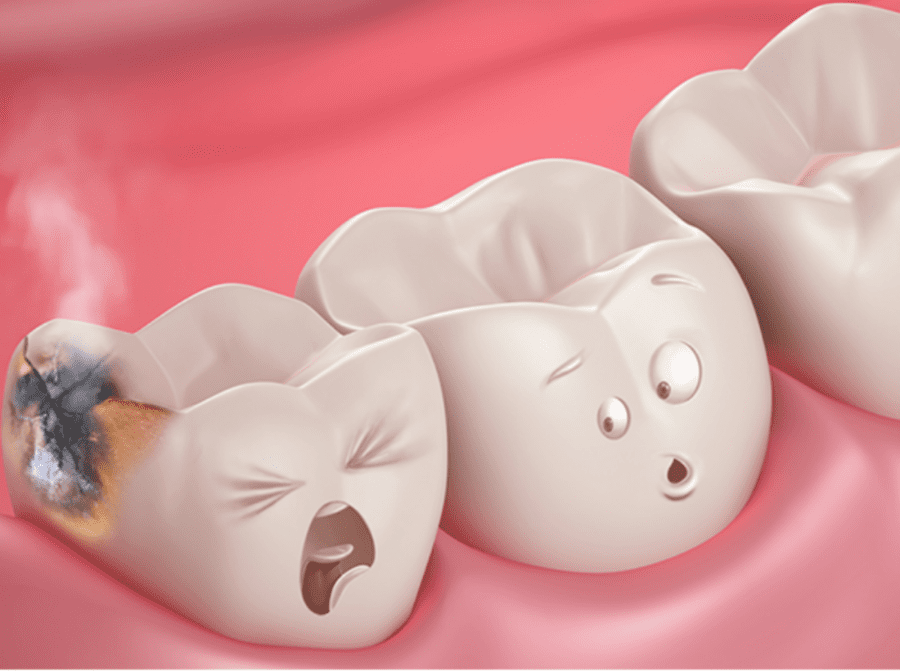
In the UK, adults can safely take 500mg to 1000mg of paracetamol every 4 to 6 hours, without exceeding 4 grams in 24 hours. Following the instructions on the packet is essential to avoid liver damage. Understanding safe dosage is key to answering the question: does paracetamol help toothache effectively and responsibly.
Paracetamol can sometimes be used in combination with ibuprofen for more significant pain relief, as they work differently in the body. However, this should only be done with guidance from a pharmacist or healthcare professional. Careful monitoring of dosage and frequency ensures safety while providing effective relief for dental discomfort.
Alternatives and Complementary Treatments
While paracetamol is effective, other options can complement pain management. Non-steroidal anti-inflammatory drugs (NSAIDs) like ibuprofen can reduce inflammation alongside pain. Additionally, home remedies such as cold compresses, saltwater rinses, and topical gels can provide temporary comfort and help manage toothache more effectively.
Lifestyle modifications also play a role in managing tooth pain. Avoiding very hot or cold foods, sugary snacks, or biting hard objects can prevent further irritation. Combining these preventive measures with paracetamol can offer better control over discomfort while waiting for professional dental care, ensuring that pain does not interfere with daily life.
When to See a Dentist
Certain signs indicate that toothache requires immediate professional attention. Persistent pain, swelling of the gums or face, fever, or difficulty opening the mouth are warning signals of infection or serious dental issues. While paracetamol may temporarily ease discomfort, only a dentist can provide a lasting solution and prevent complications.
Even if the pain is manageable with paracetamol, timely dental evaluation ensures proper treatment of the underlying cause. Relying solely on painkillers without addressing the source can worsen the condition, leading to prolonged discomfort or more severe health issues. Early intervention is essential for effective long-term relief.
Dosage Tips and Safety Precautions
Correct usage of paracetamol is vital for safe pain management. Always follow the recommended dosage on the packet, avoid taking multiple products containing paracetamol simultaneously, and limit consumption to the advised maximum per day. Misuse can cause serious liver damage, making awareness of safety crucial.
It is also important to consider individual health conditions. People with liver disease, kidney problems, or other chronic illnesses should consult a healthcare professional before using paracetamol. Monitoring symptoms and consulting a dentist if pain persists ensures that temporary relief does not compromise overall health.
Conclusion
Does paracetamol help toothache? Yes, it can provide temporary relief from mild to moderate dental pain. However, paracetamol should be used responsibly, following dosage instructions and considering safety precautions. While it eases discomfort, it does not cure the underlying cause of toothache, and professional dental evaluation remains essential.
Combining paracetamol with home remedies, lifestyle adjustments, or other painkillers under guidance can improve comfort significantly. Ultimately, understanding how does paracetamol help toothache and using it correctly ensures effective pain management while protecting overall health.