What Does a Bee Sting Look Like? Symptoms, Pictures, Treatment & When to Seek Help

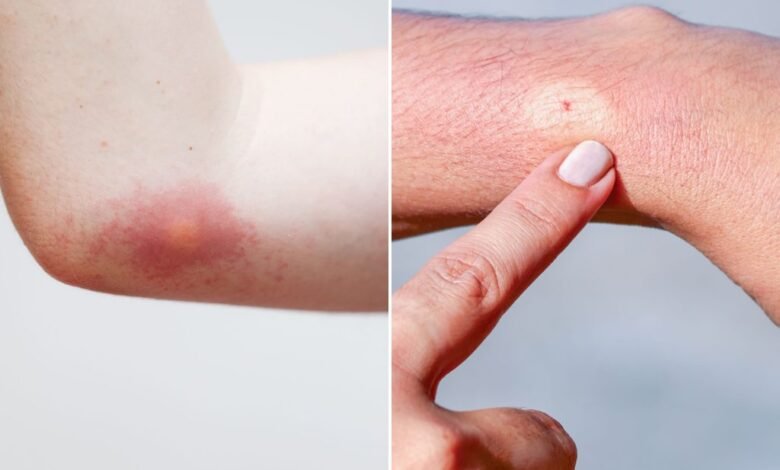
When people first ask what does a bee sting look like, they are often trying to identify a sudden skin reaction after outdoor exposure. In most cases, a bee sting appears as a small, raised red bump that forms quickly after the sting. The area may look slightly swollen, with a pale or white centre marking the exact point where the stinger entered the skin.

In some situations, especially with honeybees, a tiny black dot may be visible in the centre, which is the stinger itself. The surrounding skin can become warm and slightly inflamed, giving it a noticeable contrast compared to unaffected areas. Understanding what does a bee sting look like helps distinguish it from other insect bites and ensures appropriate care is given straight away.
bee sting symptoms and early reactions
A bee sting usually causes an immediate sharp pain that feels like a quick burning sensation. This discomfort often subsides within minutes, but it is followed by redness, itching, and localised swelling. Bee sting swelling is one of the most common symptoms and can make the area feel tender and slightly firm to the touch.
For many individuals, these symptoms remain mild and manageable without medical treatment. However, some people may experience a stronger reaction, where swelling increases in size and discomfort lasts longer. Recognising what does a bee sting look like during these early reactions can help determine whether the response is normal or if further attention may be required.
how long does a bee sting last
The duration of a bee sting can vary depending on how the body responds to the venom. Typically, the initial pain fades within one to two hours, while redness and swelling may last up to 48 hours. In some cases, the affected area may remain slightly itchy or sensitive for a few days as the skin heals.
There are also instances where individuals notice increased swelling one or two days later. This delayed reaction is generally not dangerous and is part of the body’s natural immune response. Knowing what does a bee sting look like over time allows individuals to monitor the healing process and avoid unnecessary concern about normal changes.
bee sting vs wasp sting differences
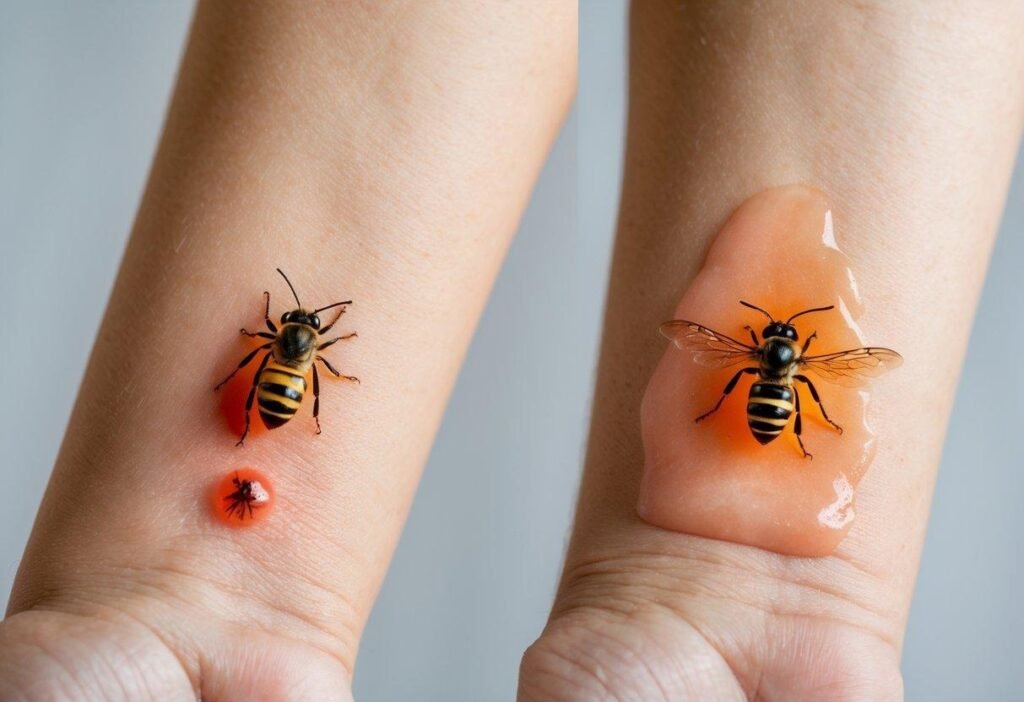
Although bee stings and wasp stings may look similar at first glance, there are key differences that help tell them apart. A bee sting often leaves a stinger behind in the skin, which appears as a small dark dot. In contrast, wasps do not leave their stinger, allowing them to sting multiple times without harm to themselves.
The reaction to a wasp sting can also feel more intense and immediate, with sharper pain and potentially greater irritation. Visually, both may show redness and swelling, but identifying what does a bee sting look like specifically helps guide the correct treatment method, especially when deciding whether to remove a stinger.
how to treat a bee sting safely
Treating a bee sting properly begins with removing the stinger as quickly as possible. It is recommended to scrape it out gently using a fingernail or a flat object, rather than squeezing it, as this can release more venom into the skin. Cleaning the area with soap and water is the next essential step to prevent infection.
After cleaning, applying a cold compress helps reduce swelling and soothe irritation. Many people also use antihistamine creams or oral medication to relieve itching and discomfort. Knowing how to treat a bee sting effectively, alongside understanding what does a bee sting look like, ensures quicker recovery and minimises complications.
when to seek medical help
While most bee stings are harmless, certain symptoms indicate the need for immediate medical attention. Severe allergic reactions, known as anaphylaxis, can include difficulty breathing, swelling of the face or throat, dizziness, or a rapid drop in blood pressure. These symptoms require urgent care and should never be ignored.
Even without an allergic reaction, multiple stings or stings in sensitive areas such as the mouth or throat can be dangerous. Being aware of what does a bee sting look like in both mild and severe cases allows individuals to respond appropriately and seek help when necessary, ensuring safety in all situations.
bee stings in pets and special situations
Bee stings can also affect animals, particularly curious pets like dogs. A dog bee sting may cause swelling around the muzzle, paw, or other exposed areas. Pets may show signs of discomfort, such as whining, licking the affected area, or becoming restless, which signals the need for close observation.
In unusual situations, such as outdoor adventures or survival scenarios, bee stings can become more problematic if immediate care is not available. Understanding what does a bee sting look like in different contexts helps individuals stay prepared and respond effectively, whether at home, in the garden, or in the wild.
prevention tips to avoid bee stings
Preventing bee stings begins with awareness of your surroundings and behaviour. Avoid wearing strong fragrances or brightly coloured clothing when spending time outdoors, as these can attract bees. Remaining calm and still when a bee is nearby reduces the likelihood of provoking a defensive reaction.
Simple precautions such as keeping food covered during picnics and avoiding areas with visible hives can also make a significant difference. By understanding what does a bee sting look like and how it occurs, individuals can take practical steps to minimise risk and enjoy outdoor activities with greater confidence.
conclusion
A bee sting is a common yet often misunderstood experience that can cause concern, especially when symptoms appear suddenly. Learning what does a bee sting look like provides clarity and helps individuals respond calmly and effectively. From identifying the initial red bump to recognising swelling patterns, awareness is key to proper care.
With the right treatment and precautions, most bee stings heal quickly without complications. Staying informed about symptoms, treatment options, and warning signs ensures that individuals can manage stings confidently and know when to seek professional help, making outdoor experiences safer and more enjoyable.
FAQs
what does a bee sting look like after a few hours
A bee sting may appear more swollen and slightly redder after a few hours. The centre point remains visible, and itching often increases as the body continues to react to the venom.
how long does a bee sting swelling last
Swelling usually lasts between one and two days, although mild swelling may continue for up to three days in some cases before gradually improving.
what should i put on a bee sting
Applying a cold compress, antihistamine cream, or soothing lotion can help reduce discomfort. Keeping the area clean is also important for proper healing.
can a bee sting cause reactions days later
Yes, some people experience delayed swelling or itching one or two days after the sting, which is typically a normal immune response.
how do i treat a bee sting on a dog
Remove the stinger if visible, apply a cold compress, and monitor your pet for unusual symptoms. Contact a vet if swelling becomes severe.
what is the difference between a bee sting and a wasp sting
A bee sting often leaves a stinger behind, while a wasp sting does not. Wasps can sting multiple times, whereas bees usually sting once.
when should i worry about a bee sting
You should seek medical help if there are signs of an allergic reaction, such as breathing difficulty, facial swelling, or dizziness.
do all bees leave a stinger
Only honeybees leave their stinger behind. Other bees and insects may sting without leaving one in the skin.
is a bumble bee sting dangerous
Bumble bee stings are generally mild and similar to honeybee stings, causing temporary pain and swelling.
how can i prevent bee stings
Avoid strong scents, wear neutral clothing, and stay calm around bees to reduce the chances of being stung.
You may also read: April Fools’ Day in the UK