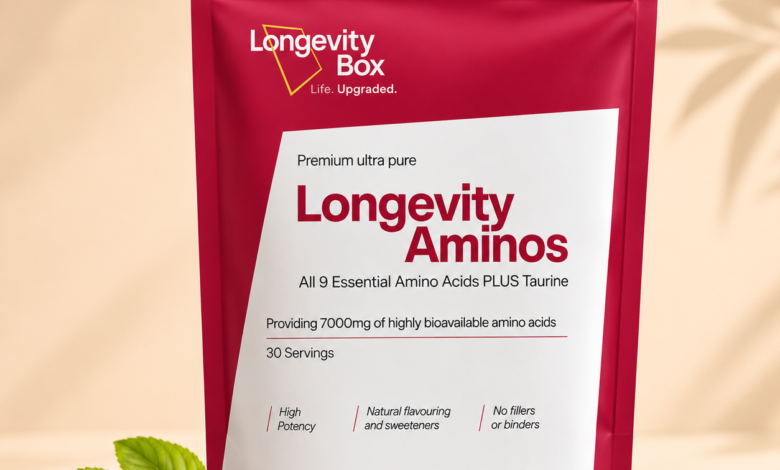
Most people know that protein matters. But fewer realise that what makes protein so powerful are the amino acids it breaks down into the tiny building blocks that keep your muscles, brain, immune system, and hormones functioning properly.

Here is the thing, though. Not all of us get the right balance from food alone. Whether it is a busy schedule, dietary restrictions, an active lifestyle, or simply getting older, gaps in amino acid intake are more common than you might think.
That is exactly where a complete amino acid supplement comes in. But is it right for you? Let us break it down properly.
What Is a Complete Amino Acid Supplement, Exactly?
Your body uses 20 amino acids in total. Nine of these are classified as essential amino acids (EAAs), meaning your body cannot produce them on its own, you have to get them from food or supplementation.
A complete amino acid supplement provides all nine essential amino acids in one formula. Some versions also include non-essential amino acids to offer broader metabolic support. Unlike a standard protein supplement, a complete amino acid product is typically fast-absorbing, easy on the digestive system, and far more targeted in its delivery.
Think of it less as a protein replacement and more as a precision tool for your body.
Who Benefits Most From a Complete Amino Acid Supplement?
1. Athletes and Regular Gym-Goers
If you train hard, your amino acid demands are higher than average. Intense physical activity breaks down muscle tissue, and without adequate amino acid availability, recovery slows and performance dips.
Branched-chain amino acids (BCAAs), leucine, isoleucine, and valine are particularly important here. They are metabolised directly in the muscle rather than the liver, making them especially effective for muscle protein synthesis and reducing delayed onset muscle soreness (DOMS).
A complete amino acid supplement that includes all EAAs goes a step further than a basic BCAA product, giving your muscles everything they need to rebuild effectively after training.
2. Vegans and Plant-Based Eaters
Most plant proteins are considered incomplete, meaning they lack one or more essential amino acids. Lysine, methionine, and tryptophan are commonly low in plant-based diets. While clever food combining (such as eating rice and legumes together) can help, it is not always practical or sufficient.
For vegans looking to support muscle health, immune function, and overall wellbeing, a complete amino acid supplement can fill the gaps that even a well-planned diet might leave behind.
3. Older Adults Concerned About Muscle Loss
After the age of 30, we gradually lose muscle mass in a process known as sarcopenia. By the time you reach your 60s, this can become a serious concern affecting mobility, strength, and independence.
Research consistently shows that older adults often have a blunted anabolic response to protein, meaning they need more amino acids to trigger the same level of muscle protein synthesis as younger people. This is sometimes called anabolic resistance.
Supplementing with a complete amino acid supplement, particularly one rich in leucine, can help combat this natural decline and preserve lean body mass as you age.
4. People With a Reduced Appetite or Low Protein Intake
Whether due to illness, recovery from surgery, stress, or simply a dislike of high-protein foods, many people in the UK do not consistently meet their daily protein targets.
The current recommended daily intake of protein in the UK is 0.75g per kilogram of body weight, but experts in sports nutrition and ageing often suggest figures closer to 1.2 to 2.0g per kilogram for active individuals.
A complete amino acid supplement is an efficient and low-calorie way to boost your amino acid intake without having to eat another chicken breast or blend another protein shake.
5. Those Managing Their Weight
Calorie restriction can unfortunately, mean protein restriction too, which risks muscle loss alongside fat loss. Preserving lean muscle during a calorie deficit is one of the most important factors in achieving sustainable, healthy weight management.
Because a complete amino acid supplement provides essential amino acids without significant calories or macronutrients, it is an ideal tool for people who want to protect their muscle while eating in a deficit.
Signs You Might Be Low in Essential Amino Acids
Persistent fatigue despite adequate sleep, slow recovery after exercise, frequent illness or a weakened immune response, difficulty building or maintaining muscle, low mood or poor concentration, and brittle hair or nails are all potential indicators.
These symptoms are not exclusive to amino acid deficiency, of course, but if several of them resonate, it may be worth evaluating your dietary protein quality and considering a complete amino acid supplement as part of your wellness routine.
How to Use a Complete Amino Acid Supplement Effectively
Timing and consistency matter. For athletes and gym-goers, taking a complete amino acid supplement before or after training tends to yield the best results for muscle repair and growth.
For older adults or those with dietary gaps, taking it alongside meals or in the morning can help maintain a steady supply of amino acids throughout the day.
Always follow the dosage guidelines on your chosen product, and if you have any underlying health conditions or take medication, check with your GP before starting a new supplement.
What to Look for When Choosing a Complete Amino Acid Supplement in the UK
Make sure it includes all nine essential amino acids: histidine, isoleucine, leucine, lysine, methionine, phenylalanine, threonine, tryptophan, and valine. Look for transparent labelling with clearly listed dosages, not proprietary blends that hide the amounts.
Opt for products free from unnecessary fillers, artificial sweeteners, or allergens where possible. Third-party testing and quality certifications are a big plus, particularly if you are a competitive athlete subject to anti-doping regulations.
Choosing a supplement from a brand with a commitment to quality, transparency, and science-backed formulas makes a genuine difference to your results.
Final Thoughts
A complete amino acid supplement is not just a product for elite athletes or bodybuilders. It is a genuinely useful wellness tool for a wide range of people, including those who train regularly, follow plant-based diets, are getting older, struggle to eat enough protein, or simply want to support their body more effectively.
Getting your foundational nutrition right does not need to be complicated. Sometimes the most impactful changes are the simplest ones.
If you are ready to explore a high-quality, science-backed complete amino acid supplement, take a look at what Longevity Box Ltd has to offer. Their commitment to purity, potency, and transparent formulation makes them a standout choice for anyone serious about their long-term health and vitality.
FAQs
Q1: Can I take a complete amino acid supplement if I already eat a high-protein diet?
Yes, many people who already eat plenty of protein still choose to use a complete amino acid supplement for faster absorption and targeted support around training.
Q2: Is a complete amino acid supplement suitable for vegetarians?
Most are, and many are vegan-friendly too. Look for plant-fermented amino acids and check capsule ingredients if you follow a fully plant-based lifestyle.
Q3: How long does it take to notice results?
Most people notice improved recovery and energy within two to four weeks. Longer-term benefits like muscle preservation may take more time. Consistency is key.
Q4: Are there any side effects?
For most healthy adults, they are well tolerated. Stick to the recommended serving size and take with water or food to minimise any mild digestive discomfort.
Q5: What is the difference between a complete amino acid supplement and a BCAA supplement?
BCAAs contain only three essential amino acids. A complete formula includes all nine, offering broader support across muscle synthesis, immune function, and metabolic health.