Which Part of the Body Does Not Burn During Cremation? Bones, Teeth, and Implants Explained

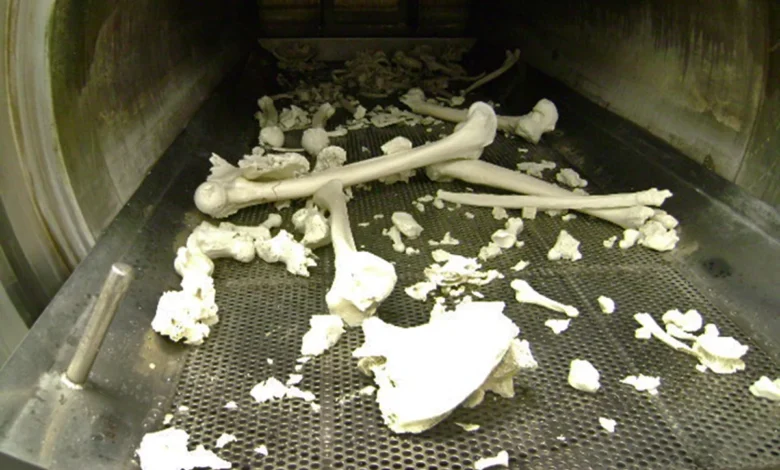
Cremation is a common practice in the UK, providing a respectful and practical way to handle human remains. Many families, however, are often curious about which part of the body does not burn during cremation. While the intense heat of the crematorium reduces soft tissues to ash, certain parts of the body remain due to their unique composition, durability, and resistance to fire. Understanding this process helps demystify cremation for those planning or attending one.


Knowing which part of the body does not burn during cremation can also provide reassurance. Myths and misconceptions often exaggerate the process, suggesting that everything is completely incinerated. In reality, bones, teeth, and some medical implants survive the cremation chamber, later processed into cremains. This knowledge allows families to better understand what remains, helping them prepare for memorial services and final arrangements.
Understanding the Cremation Process
Cremation involves placing the body into a specially designed chamber called a cremator, where temperatures typically reach 1400 to 1800 degrees Fahrenheit. The high heat ensures that all organic matter, including skin, muscles, and internal organs, is combusted completely. In contrast, inorganic materials, such as bone minerals and certain metallic implants, withstand the heat, making them the parts of the body that do not burn during cremation.
Funeral directors in the UK carefully manage cremation to ensure both safety and respect. Knowing which part of the body does not burn during cremation is essential for families, as it explains why the final remains, or cremains, include small bone fragments. This process transforms the skeletal remains into a form suitable for storage, scattering, or burial, allowing loved ones to have a tangible memento.
Bones That Survive Cremation
Bones are the most obvious part of the body that does not burn during cremation. Composed primarily of calcium and phosphorus, bones are mineral-rich and highly resistant to heat. When exposed to the intense temperatures of a crematorium, bones become brittle fragments rather than turning entirely into ash. These fragments are later processed and ground into the fine, sand-like substance known as cremains.
Understanding which part of the body does not burn during cremation is critical for families seeking clarity. While soft tissues are fully consumed, the skeletal structure survives, providing a physical record of the individual. The presence of bone fragments in cremains also explains why cremated remains are heavier than ashes from purely organic matter, emphasising the mineral content that survives high heat.
Teeth and Dental Structures
Teeth are another part of the body that does not burn during cremation. Their enamel is the hardest substance in the human body, making them highly resistant to the high temperatures in a crematorium. Even though teeth may fracture or crack under extreme heat, they rarely burn completely, which is why small fragments often appear in cremains.
Dental work, such as crowns, fillings, and implants, may also survive depending on the materials used. This is why knowing which part of the body does not burn during cremation extends beyond natural tissues. It includes any artificial structures embedded in the body. Families should be aware that these surviving fragments are completely normal and part of the standard cremation process in the UK.
Implants and Prosthetics
Modern medical implants, such as hip replacements, titanium plates, and dental prosthetics, are often among the items that do not burn during cremation. These metallic objects resist the extreme heat, remaining intact even after the body has been fully processed. Crematorium staff handle such items carefully, ensuring safety and compliance with regulations.
Understanding which part of the body does not burn during cremation also highlights the need for removal of hazardous or electronic implants. Pacemakers, for example, must be extracted prior to cremation due to the risk of explosion in high temperatures. Other implants, however, may remain in the cremation chamber and are either recycled or returned to families depending on local practices.
Rare Exceptions and Special Cases
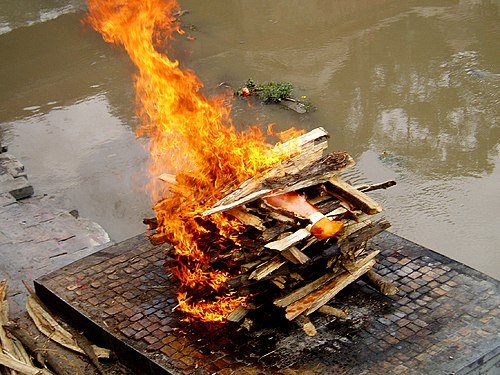
While bones, teeth, and implants typically survive cremation, extreme conditions can alter this outcome. Very high temperatures or prolonged exposure may reduce even these durable materials to dust. Similarly, traditional pyres, non-standard cremation practices, or unusual fuel sources can affect which part of the body does not burn during cremation.
Cultural and legal factors also play a role. In the UK, cremation is governed by strict regulations, including what items can accompany the body. Understanding which part of the body does not burn during cremation allows families to manage expectations. Despite these exceptions, standard cremation procedures almost always leave skeletal fragments and durable implants intact.
What Remains After Cremation
After cremation, the family receives cremains, which are primarily composed of processed bone fragments. Teeth fragments and certain metallic implants may also be present depending on the individual’s dental history or medical procedures. The cremains provide a tangible connection to the deceased and are suitable for scattering, burial, or keeping in an urn.
Knowing which part of the body does not burn during cremation helps families understand the nature of what they receive. The skeletal fragments are carefully ground to create uniform cremains, ensuring the remains are handled with dignity. This process reassures families that even though soft tissues have been consumed, the mineral and durable structures remain, providing a lasting physical tribute.
Conclusion
Understanding which part of the body does not burn during cremation gives clarity and reassurance to those dealing with loss. Bones, teeth, and certain implants are the main parts that survive, while soft tissues are fully consumed. This knowledge demystifies the cremation process and helps families know what to expect in terms of cremains and final arrangements.
Families in the UK can rest assured that cremation is carefully managed, respectful, and thorough. Knowing which part of the body does not burn during cremation ensures transparency and provides comfort. It also allows loved ones to appreciate the science and care behind this important aspect of memorialisation.