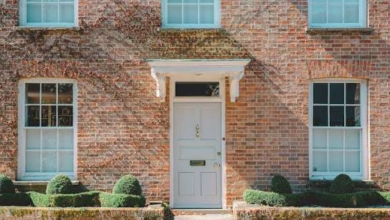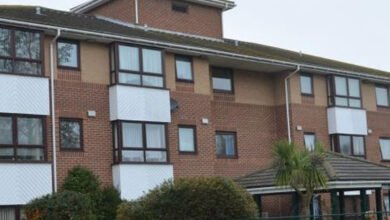
Buying a home is likely to be the biggest purchase you ever make, yet many buyers rely on a short viewing and a lender’s valuation to decide whether a property is in good condition. A house survey gives you a detailed, independent assessment of the property before you commit. It can reveal hidden problems, help you budget for repairs and even give you grounds to renegotiate the price. But with several types of survey available, it is not always clear which one you need. This guide explains the main options in England and Wales and how to choose the right one.

A Mortgage Valuation Is Not a Survey
If you are buying with a mortgage, your lender will arrange a valuation. Many buyers assume this checks the condition of the property, but it does not. A mortgage valuation exists to reassure the lender that the property is worth enough to secure the loan. It is often brief, sometimes carried out without an internal inspection, and it does not look for defects on your behalf.
That is why an independent survey is so important. It protects your interests, not the lender’s.
The Main Types of Survey
The Royal Institution of Chartered Surveyors (RICS) sets out three levels of Home Survey. Other professional bodies offer similar products, but the RICS levels are the most widely recognised.
RICS Level 1 Home Survey
A Level 1 survey, previously known as a Condition Report, is the most basic option. It uses a simple traffic-light rating system to show the condition of different parts of the property and highlights any urgent issues or legal matters to check.
It does not include detailed advice on repairs or costs. A Level 1 survey is usually best suited to newer homes, conventional properties in good condition, or buyers who want a basic overview at a lower cost.
RICS Level 2 Home Survey
A Level 2 survey, formerly called a HomeBuyer Report, is the most popular choice. The surveyor carries out a more thorough visual inspection and reports on problems such as damp, rot, subsidence, roof issues and signs of structural movement. It also includes advice on repairs and ongoing maintenance.
Some Level 2 surveys can include a market valuation and an insurance reinstatement figure, which can be useful for negotiating and arranging buildings insurance. This level suits most conventional houses and flats in reasonable condition, typically built within the last century or so.
RICS Level 3 Home Survey
A Level 3 survey, formerly known as a Building Survey or Full Structural Survey, is the most comprehensive option. The surveyor examines the property in greater depth and provides detailed information on its construction, the defects found, their likely causes, possible repair options and the risks of leaving problems untreated.
This level is recommended for older properties, larger homes, listed buildings, properties built with unusual materials, homes that have been significantly altered or extended, and properties that appear to need major work.
Specialist Surveys and Reports
Sometimes a general survey will recommend further investigation. Common specialist reports include:
- Structural engineer’s report for suspected subsidence or cracking
- Damp and timber survey for suspected rot or woodworm
- Drainage survey using a CCTV camera
- Electrical condition report for older wiring
- Gas and heating system checks
- Japanese knotweed survey
- Snagging survey for new build homes
These add cost but can prevent expensive surprises later.
How to Choose the Right Survey
Consider the age, type and condition of the property. As a general guide:
- A modern home in good condition may only need a Level 1 or Level 2 survey
- A typical house or flat of conventional construction usually suits a Level 2 survey
- An older, larger, unusual or altered property usually warrants a Level 3 survey
Also think about your own plans. If you intend to renovate or extend, a Level 3 survey will give you a much better understanding of what you are taking on.
When to Book Your Survey
Book your survey as soon as your offer is accepted. Surveyors can be busy, and delays at this stage can hold up the whole transaction. Make sure you receive the report before your solicitor exchanges contracts, as that is when you become legally committed to the purchase in England and Wales.
What to Do If the Survey Finds Problems
Most surveys find something. Minor issues are normal, especially in older homes. If significant problems come to light, you have several options. You can obtain quotes for repairs and use them to renegotiate the price, ask the seller to carry out repairs before completion, request further specialist investigations, or, if the issues are serious, withdraw from the purchase.
A calm, evidence-based approach tends to work best when renegotiating. Share relevant parts of the report and realistic repair quotes through your estate agent.
Is a Survey Worth the Cost?
Survey fees vary depending on the level, the property’s size and its value. While it is tempting to save money, the cost is small compared with the price of the home and the potential expense of unexpected repairs. For most buyers, a survey is one of the best-value parts of the buying process.
Final Thoughts
Choosing the right survey gives you peace of mind and protects you from costly surprises after you move in. If you are buying in Surrey, the local estate and lettings agent in Epsom can help you understand the local housing stock, what type of survey similar properties usually need and how to handle any issues that arise.