How to Write a Codicil to a Will UK: Complete Step-by-Step Guide with Template

Understanding how to write a codicil to a will UK is essential for anyone who wants to make small amendments to their will without drafting a completely new document. A codicil allows you to update executors, change beneficiaries, or add minor gifts while keeping the original will intact. It is a practical and legally recognised solution in the UK, helping you save time and reduce costs.


Using a codicil ensures that your wishes are clear and legally enforceable. It prevents potential disputes among family members or beneficiaries by keeping the process simple and formal. With proper preparation, you can create a codicil that fully complies with UK legal requirements. This guide explains how to write a codicil to a will UK, provides step-by-step instructions, and demonstrates how a template can simplify the process.
What is a Codicil
A codicil is a legal document that serves as an amendment to an existing will. In the UK, it is used to make minor modifications without replacing the original will. Common changes include adding a small gift to a charity, updating executor details, or correcting errors in the will. The codicil references the original will, confirming that all other provisions remain unchanged.
Codicils are an efficient way to maintain the legal validity of your will while accommodating new circumstances. Unlike rewriting a full will, codicils are faster to prepare and usually less costly. However, they must meet specific UK legal requirements, including proper witnessing and signature. Understanding the purpose and limitations of a codicil is crucial before attempting to write one yourself.
When to Use a Codicil vs Making a New Will
Knowing when to write a codicil to a will UK instead of creating a new will is vital. Codicils are suitable for minor changes, such as adding or removing a beneficiary, updating an executor, or including a charitable donation. These adjustments do not affect the main structure of the will, making a codicil the most practical solution.
For major changes, such as selling property, remarrying, or completely revising inheritance provisions, a new will is usually recommended. Relying on multiple codicils for substantial changes can create confusion and legal disputes. Assessing the scale of changes ensures that you use the correct approach, whether through a codicil or a new, updated will.
Step-by-Step Guide How to Write a Codicil to a Will UK

The first step in how to write a codicil to a will UK is to title the document clearly. Use a format such as “Codicil to the Last Will and Testament of [Your Full Name].” This ensures that anyone reviewing the document immediately understands its purpose and which will it amends.
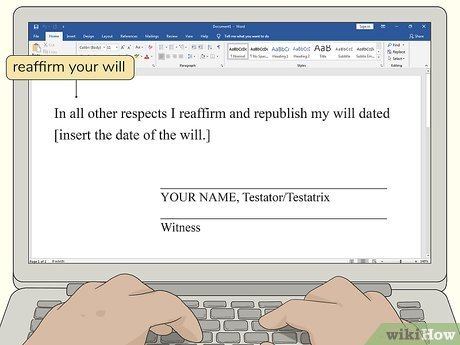
Next, reference the original will by including its date and confirming that all provisions not changed remain valid. List the changes in clear, specific terms, for example, “Clause 3 is amended to read…” or “I add a gift of £500 to [Name].” Sign the codicil in the presence of two independent witnesses who are not beneficiaries. Witnesses must also sign and provide their full details. Finally, store the codicil safely with the original will, ensuring it is separate but easily retrievable.
Common Mistakes to Avoid When Writing a Codicil to a Will UK
One common mistake when writing a codicil to a will UK is selecting witnesses who are beneficiaries. This can invalidate the codicil in the eyes of the law. Choosing independent adult witnesses who have no financial interest in the will is essential to ensure legal validity.
Another error is failing to reference the original will properly. Ambiguous or incomplete amendments can create confusion and lead to disputes. Other mistakes include unsigned or undated codicils, attaching the codicil incorrectly, or overusing codicils for major changes instead of drafting a new will. Avoiding these errors guarantees that your codicil is enforceable and reflects your true intentions.
How to Use a Codicil to a Will UK Template
Using a codicil template makes the process of writing a codicil much easier. Templates provide a structured format, ensuring compliance with UK legal requirements. They guide you on headings, witness statements, and how to reference the original will, reducing the risk of errors and omissions.
When filling out a template, carefully input your personal details, reference the original will, and clearly outline any amendments. Double-check each section before signing and witnessing. Templates are particularly useful for those unfamiliar with legal documents, making the process of writing a codicil to a will UK straightforward, efficient, and legally sound.
Storing and Managing Your Codicil
Proper storage of a codicil is as important as drafting it correctly. In the UK, a codicil should be kept with the original will in a secure location, such as a safe or with a solicitor. Never staple or attach it directly to the original will, as this could damage or invalidate the documents.
Regularly review your codicil and will to ensure they reflect current wishes and circumstances. Inform your executor or family members of the document’s location. By managing your codicil effectively, you ensure that your wishes are accessible and legally enforceable when needed.
Conclusion
Writing a codicil to a will UK is a practical solution for minor amendments to an existing will. It allows you to update beneficiaries, add gifts, or change executors while keeping the original will intact. Following the proper steps, using templates, and adhering to legal requirements ensures your codicil is valid and enforceable.
While codicils are suitable for small changes, major revisions should be done with a new will. Using a codicil template can simplify the process and reduce the risk of errors. By understanding the process and common mistakes, you can confidently write a codicil to a will UK and secure your estate planning intentions.
FAQs
Can I write a codicil to my will myself in the UK?
Yes, you can, but it must meet UK legal requirements including proper witnessing, accurate referencing, and clear amendments.
How many codicils can I add to a will?
There is no legal limit, but too many codicils may cause confusion. For substantial changes, consider a new will.
Do I need a solicitor to witness a codicil?
No, witnesses do not need to be solicitors. They must be independent adults with no financial interest in the will.
What are common codicil mistakes to avoid?
Common mistakes include using beneficiaries as witnesses, unclear amendments, unsigned or undated codicils, and improper storage.
Is a codicil legally binding in the UK?
Yes, if it follows all legal requirements including signatures, witnesses, and proper reference to the original will.
Where should I store my codicil?
Keep it with your original will in a secure location, such as a safe or with a solicitor, and ensure it is separate but accessible.
Are there free codicil templates available for UK wills?
Yes, multiple UK websites provide free downloadable templates to guide you through writing a codicil safely and legally.