Finding embedded fully ticks on dogs can make any owner feel worried, especially when the tick looks swollen, stuck, or partly hidden under the fur. Ticks are small parasites that attach to the skin and feed on blood, often after walks through grass, woodland, moorland, parks, or countryside paths. The main thing is not to panic, because calm and careful removal is much safer than pulling too quickly.


This guide explains what embedded fully ticks on dogs look like, how to remove them safely, and when a vet should be contacted. It also covers aftercare, warning signs, common mistakes, and prevention tips for UK dog owners. With the right method, you can reduce irritation, avoid squeezing the tick, and help your dog recover comfortably after a bite.
What Are Embedded Fully Ticks on Dogs?
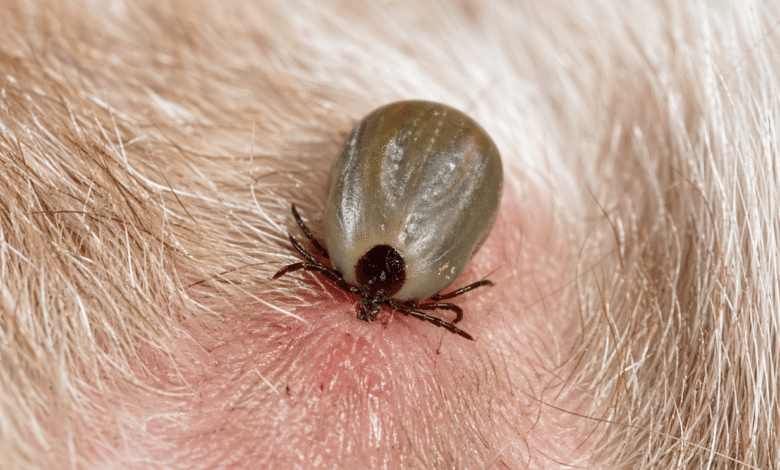
Embedded fully ticks on dogs are ticks that have attached firmly to the dog’s skin and started feeding. They use their mouthparts to hold onto the skin, which can make them look as if they are buried or stuck deep inside. In reality, the body of the tick is usually above the skin, while the mouthparts are attached underneath the surface.
A tick may be tiny when it first attaches, but it can become bigger and rounder as it feeds. This is why owners often notice it as a small lump rather than a moving insect. These ticks are commonly found around the ears, neck, face, armpits, groin, belly, tail base, and between the toes, where the skin is warm and protected.
What Do Embedded Fully Ticks on Dogs Look Like?
Embedded fully ticks on dogs can look like a small black, brown, grey, or tan bump on the skin. If the tick has fed for some time, it may look swollen like a tiny pea or soft seed. Because it is attached firmly, it may not brush away like dirt, and your dog may not show any signs at first.
Ticks are sometimes mistaken for scabs, skin tags, warts, small cysts, or bits of mud trapped in the coat. Before trying to remove anything, part the fur and look closely for tiny legs near the base. If you are unsure whether it is a tick or a natural skin lump, do not pull it. Ask your vet for advice to avoid hurting your dog.
Why Embedded Fully Ticks on Dogs Need Safe Removal
Embedded fully ticks on dogs should be removed carefully because rough handling can irritate the skin or leave mouthparts behind. Squeezing the tick’s body is also risky, as it may increase the chance of germs entering the bite area. A slow, steady method gives you the best chance of removing the tick cleanly.
Many old home remedies are not safe or useful. Do not burn the tick, cover it with petroleum jelly, apply nail varnish, pour alcohol on it, or twist it with your fingers. These methods can distress your dog and may make the tick harder to remove. A proper tick removal tool or fine-tipped tweezers is a much better choice.
How to Remove Embedded Fully Ticks on Dogs Safely
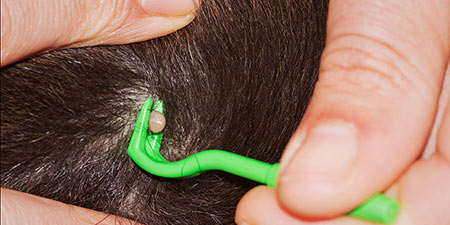
To remove embedded fully ticks on dogs, first keep your dog calm and still. Use gloves if you have them, then part the fur around the tick so you can see the skin clearly. Place a tick removal tool around the tick as close to the skin as possible. Turn the tool gently in one direction until the tick releases.
If you use fine-tipped tweezers, grip the tick close to the skin without squeezing its swollen body. Pull upward with steady, even pressure rather than yanking. Once removed, check the tick to see if it appears whole. Clean the bite area with warm salty water or a pet-safe antiseptic, then wash your hands and dispose of the tick safely.
What to Do If the Tick Head Stays In
Sometimes, after removing embedded fully ticks on dogs, a tiny dark speck may remain in the skin. Many people call this the tick’s head, but it is usually the mouthparts. This can cause mild local irritation, and the body may push it out naturally over time. However, the area should still be cleaned and watched closely.
Do not dig into your dog’s skin with a needle, blade, or sharp tweezers. This can cause pain, bleeding, and infection. Instead, keep the area clean and monitor it for redness, swelling, heat, pus, or soreness. If the bite becomes worse, or your dog keeps licking, scratching, or seems uncomfortable, contact your vet for guidance.
Aftercare After Removing a Tick
Aftercare is important once embedded fully ticks on dogs have been removed. The bite site may leave a small mark, but it should slowly improve rather than become angry or swollen. Check the area once or twice a day for a few days. Gentle cleaning can help, but avoid harsh products that may sting or damage the skin.
You should also watch your dog’s general behaviour after a tick bite. Contact a vet if your dog becomes unusually tired, stops eating, develops a fever, starts limping, vomits, or seems weak. Some tick-related problems may not appear immediately, so keep an eye on your dog for the following days and weeks, especially after walks in high-risk areas.
When to See a Vet
You should see a vet if the tick is very difficult to remove, is attached near the eye, is deep in sensitive skin, or if part of it appears stuck. Vet help is also sensible if your dog is a puppy, elderly, pregnant, unwell, or very nervous. In these cases, safe handling matters even more.
A vet should also be contacted if the bite area becomes hot, swollen, painful, or starts producing discharge. If your dog seems poorly after a tick bite, do not wait for symptoms to become severe. Quick advice can help rule out infection or tick-borne illness and give your dog the right care at the right time.
Common Mistakes Dog Owners Make
One common mistake is pulling embedded fully ticks on dogs too quickly. This can break the tick and leave mouthparts in the skin. Another mistake is using blunt tweezers that squeeze the tick’s body instead of gripping close to the skin. Both problems can make the bite more irritated and increase the chance of local infection.
Owners also sometimes forget to check the rest of the dog’s body after finding one tick. Where there is one tick, there may be more hidden under the coat. Always check the ears, collar area, armpits, belly, groin, tail base, and paws. Good lighting and a slow hand check can make a big difference.
How to Prevent Ticks on Dogs in the UK
Preventing embedded fully ticks on dogs starts with regular checks and vet-approved parasite control. Tick tablets, spot-on treatments, and tick collars may help, but the best option depends on your dog’s age, weight, health, and lifestyle. Ask your vet which product is suitable, especially if your dog swims, has sensitive skin, or lives with other pets.
After walks, check your dog before coming indoors or soon after returning home. Ticks are more common in long grass, woodland, heathland, moorland, and areas with deer, sheep, or wildlife. Even city dogs can pick up ticks in parks, so prevention should not be limited to countryside pets only.
How to Check Your Dog for Ticks Properly
To check your dog properly, run your hands slowly over the whole body and feel for small bumps. Part the fur whenever you notice a lump, especially in thick-coated breeds. Use good lighting so you can see the skin clearly. This routine only takes a few minutes but can stop ticks feeding for longer than necessary.
Pay special attention to hidden places such as inside and around the ears, under the collar, around the muzzle, under the legs, between the toes, and around the tail. Dogs with long fur may need a comb to help separate the coat. Regular grooming also makes it easier to spot ticks, scabs, lumps, or skin irritation early.
Conclusion
Embedded fully ticks on dogs are common, but they should always be handled with care. The safest approach is to use a tick removal tool or fine-tipped tweezers, remove the tick close to the skin, clean the bite area, and watch for changes. Avoid home remedies, squeezing, burning, or digging into the skin.
With regular tick checks, sensible prevention, and quick action, you can reduce the risk of irritation and illness. If the tick is hard to remove, the bite looks infected, or your dog seems unwell, contact your vet. Safe removal and good aftercare are the best ways to protect your dog after a tick bite.
FAQs
Can I remove embedded fully ticks on dogs at home?
Yes, many owners can remove embedded fully ticks on dogs at home if they have the right tool and the dog stays calm. A tick removal hook or fine-tipped tweezers can work well when used carefully. The tick should be gripped close to the skin, not squeezed around the swollen body.
However, you should not force removal if the tick is in a difficult place or your dog becomes distressed. If you are unsure, contact your vet. It is always better to get help than to risk leaving parts behind or causing unnecessary pain.
What happens if a tick is not fully removed?
If a tick is not fully removed, small mouthparts may stay in the skin and cause local irritation. You might notice a tiny black dot, redness, swelling, or tenderness around the bite. Sometimes the body pushes the remaining parts out naturally, but the area should be watched carefully.
Do not dig into the skin to remove leftover parts. This can make the wound worse and introduce bacteria. Clean the area gently and speak to your vet if the skin becomes hot, swollen, painful, or starts to discharge.
Are embedded fully ticks on dogs dangerous?
Embedded fully ticks on dogs can be dangerous if they carry disease or remain attached for too long. Not every tick bite causes illness, but some ticks can pass infections to pets. This is why quick, safe removal and careful monitoring are important after every bite.
Watch for signs such as tiredness, fever, loss of appetite, limping, weakness, vomiting, or unusual behaviour. If your dog shows any of these symptoms after a tick bite, contact your vet for advice. Early help can make treatment easier.
Should I use Vaseline or alcohol on a tick?
No, you should not use Vaseline, alcohol, nail varnish, heat, or oil to remove a tick. These methods are unreliable and may irritate your dog’s skin. They can also delay proper removal, giving the tick more time to feed.
Use a tick removal tool or fine-tipped tweezers instead. These tools are designed to remove the tick safely without squeezing the body. Keeping one at home is useful if your dog often walks through grassy or wooded places.
How often should I check my dog for ticks?
You should check your dog after walks in long grass, woodland, fields, parks, heathland, or countryside areas. During warmer months or in tick-heavy places, daily checks are sensible. Ticks can be very small at first, so early checks help you find them before they swell.
Make tick checking part of your normal grooming routine. Look around the ears, neck, belly, armpits, groin, tail base, and paws. This simple habit can help you spot embedded fully ticks on dogs before they become harder to remove.
You may also read: Cat Pregnancy Week-by-Week Development